
The calls for change are loud and clear
The calendar has turned to 2026, but the echoes of the 2025 elections are still reverberating across Michigan. As a candidate for governor, and more importantly, as someone who has spent his life in …
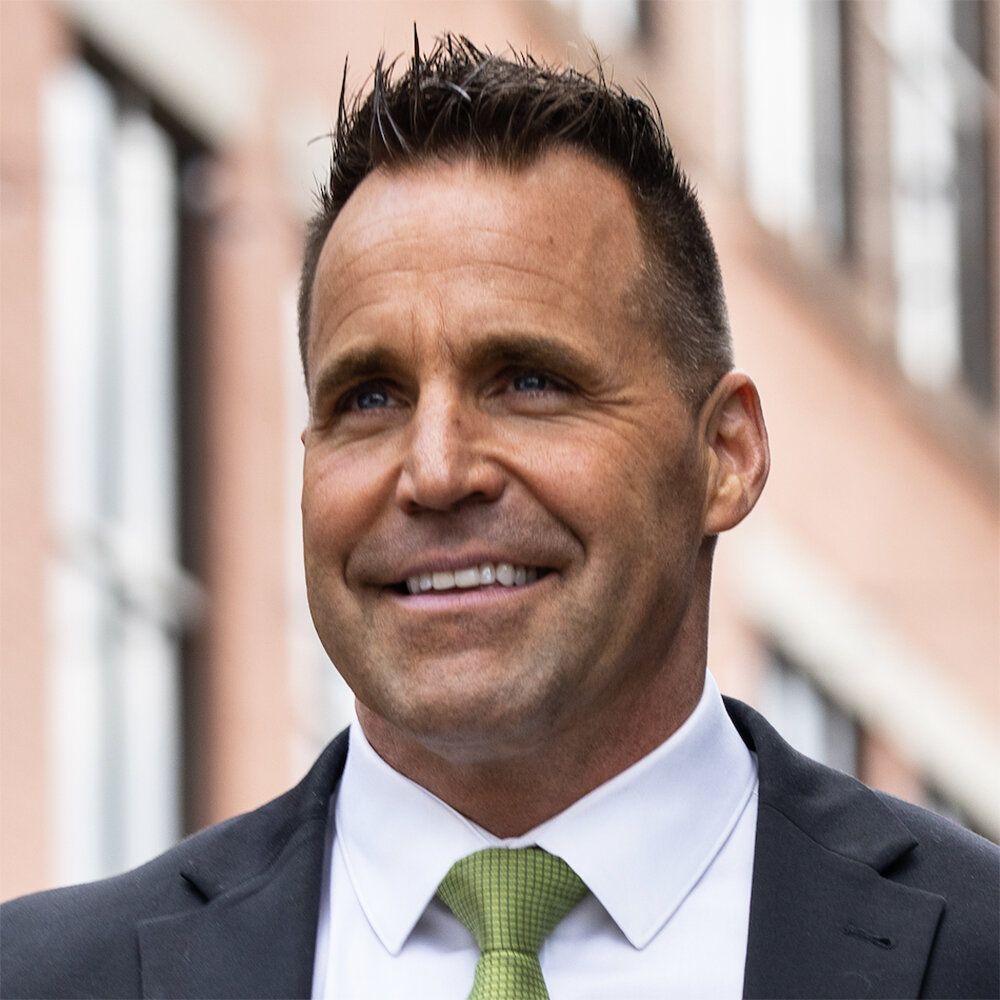
The calendar has turned to 2026, but the echoes of the 2025 elections are still reverberating across Michigan. As a candidate for governor, and more importantly, as someone who has spent his life in Michigan as a public servant, I have listened intently to the message sent by voters. It is a clear, unmistakable call: our state is ready for change, and the political landscape, particularly among Democrats and independent voters, reflects a profound desire for new leadership and a fresh approach.
From my earliest days in Genesee County, I was raised on the stories of people fighting for a “better way.” I remember hearing about the 1936 Fisher Body sit-down strike in Flint, where workers, demanding dignity, stood united against a government that was bought off by corporations. That fight for dignity—on the job, at home, in their lives—is a fight that continues today, and voters are seeking leaders who embody that same spirit of resistance against the status quo. My own family, with generations in law enforcement and my mother still working at JCPenney, instilled in me a deep understanding of what it means to serve and to work for an honest living. This isn’t just my story; it’s the story of countless working families across Michigan.
What the 2025 elections showed us is a palpable weariness with traditional politics. Voters are tired of rhetoric that doesn’t translate into results. They are looking beyond familiar names and established paths, gravitating towards candidates who offer genuine solutions, who have a track record of problem-solving, and who aren’t afraid to challenge entrenched systems. It’s a desire for leaders who understand that when your government fails you, it’s not enough to lament; you have to fix it.
I know intimately what it looks like when government fails. We all know the tragic story of Flint and our water, a crisis born from a callous decision to save a few dollars. My parents, my staff, the inmates in my jail, and thousands of children drank that poisoned water. It took two agonizing years for a state of emergency to be declared. People died, and a decade later, not a single resident has seen their settlement. This is unacceptable. As your next governor, I promise we will protect Michigan’s water, air and environment. What happened in Flint will not happen anywhere under my watch. This crisis, like many others, underscores the urgent need for a government that prioritizes its people over profits and political expediency.
My experience as sheriff during both the continuing water crisis and the dual challenges of COVID-19 and the racial justice protests following George Floyd’s murder further solidified my belief in innovative, community-led solutions. When social services ground to a halt during COVID, we didn’t wait for Lansing; we deputized faith and community leaders, delivering a million pounds of food and supplies. When tensions flared after George Floyd’s death, I looked at history. My grandfather lived through the ‘43 riots, my father through ‘67, and I knew we couldn’t afford the same outcome. I set down my riot gear, stepped into the crowd and asked, “What do you need?” and we walked together. In that instant, hate turned to hope. I couldn’t solve racism or bring George Floyd back, but I could act differently and foster connection. This is the kind of leadership Michigan needs: courageous, empathetic and action-oriented.
The job of sheriff, in its essence, is not so different from that of governor. Both are constitutionally mandated to enforce the laws and maintain order. But beyond that, both require a fundamental commitment to the well-being of the people. My master’s thesis proved that education and employment are what truly reduce crime. That belief fueled the creation of I.G.N.I.T.E., Inmate Growth Naturally and Intentionally Through Education, which has become a national model. It’s a program that provides literacy, digital skills, and apprenticeship opportunities, demonstrably reducing recidivism and jail violence, and saving taxpayer dollars. This is what a “working-class candidate with a working-class playbook” looks like: evidence-based, results-driven solutions that uplift our communities and make government more efficient.
Voters, especially Democrats, are looking for leaders who address their day-to-day struggles. The current system isn’t working; everything is more expensive, and paychecks don’t stretch as far as they used to. My playbook for Michigan focuses on core areas:
Safe Communities Are Strong Communities: This means tangible investments in school safety, expanding programs like I.G.N.I.T.E. and the Governor’s Human Oppression Strike Team (GHOST) that proactively fight human trafficking and hold corporations and officials accountable when they threaten public safety or misuse funds.
Build In Michigan: It’s about growing our economy to create good-paying, union jobs. It means protecting prevailing wages, supporting entrepreneurship, and investing in CTE and trades programs from middle school up, so students graduate knowing skilled trades. We must increase literacy across the board and bring down energy costs by holding utilities accountable.
A Better Lansing: This demands transparency and integrity. We need to audit and restructure agencies like the MEDC, reduce FOIA exemptions, and implement a “cooling off” period for elected officials to prevent them from immediately becoming lobbyists. Elected office should be about service, not an audition for a different job.
The 2025 elections have clearly signaled that Michigan is ready for this kind of change. It’s a call for leaders who come from the people, understand their struggles, and possess the will and experience to fix what’s broken. I don’t come from politics; I come from Genesee County, where we know the people closest to the problem typically know what’s needed.
Michigan deserves a future built on hope, unity, and purpose. The message from the ballot box is unmistakable: it’s time for new voices, new ideas, and a government that works for everyone. The people have spoken, and they demand change. It’s time to answer that call. Together, we can write a new chapter in our state’s history. So come on, let’s walk!
Related Articles
Lawrence stands out on Gaza, Line 5, universal health care At MI-7 forum
Whether he was calling Israel’s attacks on the Gaza Strip “genocide,” calling for the closing of Line 5 or promoting “Medicare for All,” Democratic MI-7 candidate William Lawrence used a forum hosted by Latino community leaders Tuesday night to draw some of the sharpest yet distinctions between his primary opponents.
You can’t handle a little critique? You’re not the leader MSU needs
Michigan State University’s elected Board of Trustees has run another president out of East Lansing? That’s an easy storyline. Kevin Guskiewicz is making it sound like that’s the …