
Fresh off the lens
“Immigration” is a dry bone of a word, bleached white and worn to a nub by countless fingerprints, agendas and statistics. The stories and images that fill this weekend’s fourth annual Michigan …

MSU Latinx Film Festival
Thursday, Feb. 19-Sunday, Feb. 22
Various venues at MSU and in Lansing
msulatinxfilmfestival.com
Current, compelling films pack MSU’s Latinx Film Festival
“Immigration” is a dry bone of a word, bleached white and worn to a nub by countless fingerprints, agendas and statistics. The stories and images that fill this weekend’s fourth annual Michigan State University Latinx Film Festival put flesh, skin and blood on that bone.
Immigration can mean getting the hell out of an intolerable situation, whether it’s economic chaos in Venezuela, sex trafficking in the Dominican Republic or ecological ruin in Peru. It can also mean reaching for something better, whether you’re a young teen yearning to become a singer, an 80-year-old woman putting together a bucket list or an outsider artist breathing new life into castoff junk.
These compelling stories and many others will be explored in a rich banquet of 11 feature films, two shorts programs, three receptions, two concerts and more, split between venues on MSU’s campus and in Lansing. Six filmmakers will appear in person to introduce films and lead discussions after the screenings.
These aren’t dusty nuggets from the vaults. All are fresh-off-the-lens Michigan premieres, most are Midwest premieres, and some are “almost U.S. premieres,” in the words of festival founder and director Scott Boehm, having been shown only on the East or West Coast.
“What we’re most proud of is that this is a program you would expect in New York, Miami or Los Angeles, but it’s in Lansing,” Boehm said. “We’ve got standout films that you’re not going to see anywhere else in Michigan, and you can’t see on the big screen anywhere else in the U.S. right now.”
There’s been a lot of debate over the term “Latinx,” but Boehm, an assistant professor of Spanish language and culture at MSU, sees it as a useful shorthand way to describe the festival’s diversity.
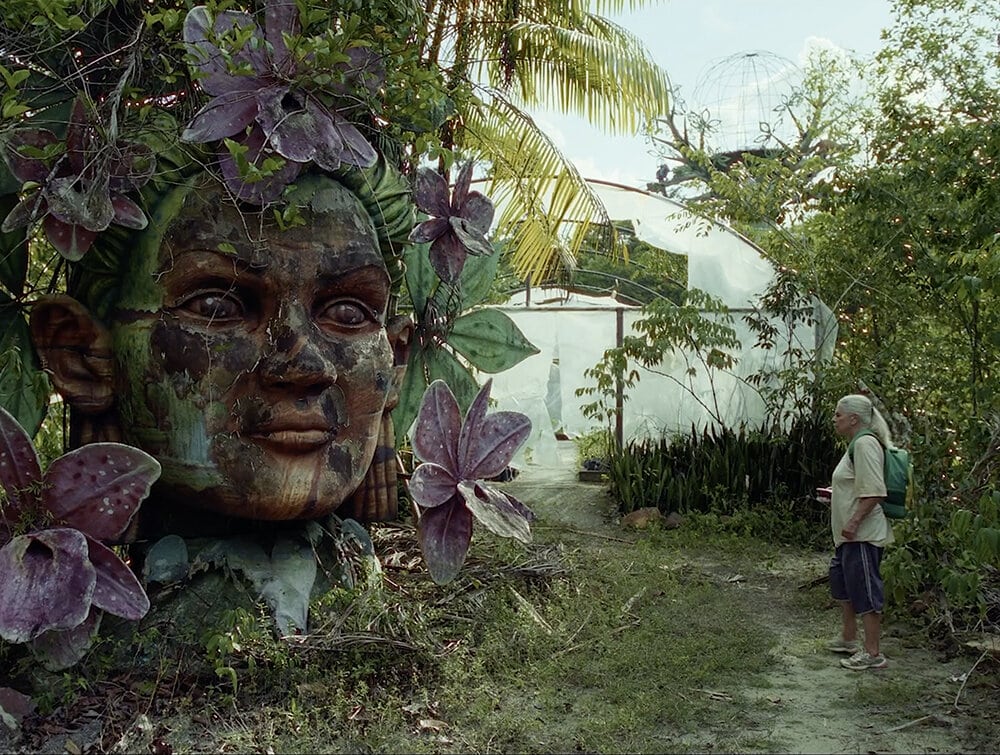
“There are a lot of Latino film festivals, and that works, but we’re not just Latino, we’re Latin American, and Spain is in there,” Boehm said. “We always have a film from Brazil, in Portuguese, and we always have a film where Quechua is a primary language.” (Quechua, a widely spoken indigenous language family in the Americas, is spoken in two of the most visually stunning films on the program, “Through Rocks and Clouds” and “Karuara, People of the River.”)
“So, it’s inclusive not just in the gendered way, but in the broadest sense,” Boehm said.
Celebrated Venezuelan neorealist filmmaker Mariana Rondón, one of the highest-profile guests to ever attend the festival, will introduce two films. (Rondón’s award-winning film “Bad Hair” was featured at the 2018 festival.)
Boehm was elated to get hold of Rondón’s 2024 film, “Zafari,” a dystopian vision of class conflict, societal collapse and starvation in Venezuela. Rondón will also present “Boca Chica,” a film by Dominican Guyanese American director Gabriella A. Moses. Rondón co-wrote the screenplay.
Venezuela’s internal troubles and American military intervention are hot topics, and Rondón’s introductions and post-screening Q&A sessions promise to be lively and timely.
“Boca Chica” plunges the viewer into the life of 12-year-old Desi, who longs to leave the beachside community of Boca Chica and become a famous singer but is vulnerable to the exploitation associated with the tourist and sex trades.
Another hot button will be pushed by the feature-length documentary “Vieques: A Living Archive,” in which filmmaker Juan Carlos Rodríguez blends personal interviews, archival footage and commentary to tell the story of the beleaguered island of Vieques before and after the departure of the U.S. Navy in 2003. Rodríguez will present the film and take questions afterward.
“That film, and Mariana Rondón’s presence at the festival, gives us the opportunity to talk about the history of U.S. interventions and militarism in South America,” Boehm said.
Good timing and personal connections helped Boehm snag a significant new documentary from Cuba, and the filmmaker’s attendance.
“Landrián,” directed by Ernesto Daranas Serrano, tells the story of Nicolás Guillén Landrián, Cuba’s first Black filmmaker, whose visionary films ran afoul of Cuban authorities in the 1960s. Serrano miraculously rescued the negatives of Landrián’s films, poetic chronicles of everyday joys and struggles of Cuban people, and led the restoration team that brought them back to light in the early 2020s.
Like many of today’s Latinx filmmakers, Landrián wasn’t interested in showing life the way the authorities wanted it shown. (His impertinence went further than that — his documentary film “Coffea Arábiga” featured The Beatles’ song “The Fool on the Hill” as Fidel Castro appeared on the screen.) The Cuban authorities repeatedly interrogated, jailed and institutionalized him and even subjected him to shock therapy.
Landrián’s life and work, lovingly restored by Serrano, reveal the opportunities and risks of speaking truth to power. The same is true of “We Shall Not Be Moved,” a 2024 black comedy-drama that marks Pierre Saint-Martin Castellanos’ directorial debut. The protagonist is Socorro, a chain-smoking, crusty lawyer in her 60s who has devoted five decades of her life to tracking down the soldiers who killed her brother during clashes between student demonstrators and the military in 1968. The director doesn’t shy from showing the corrosive damage Socorro’s lifelong obsession has inflicted on herself, her family and her friends. The film has been screened at multiple festivals and has taken many awards in its relatively short life.
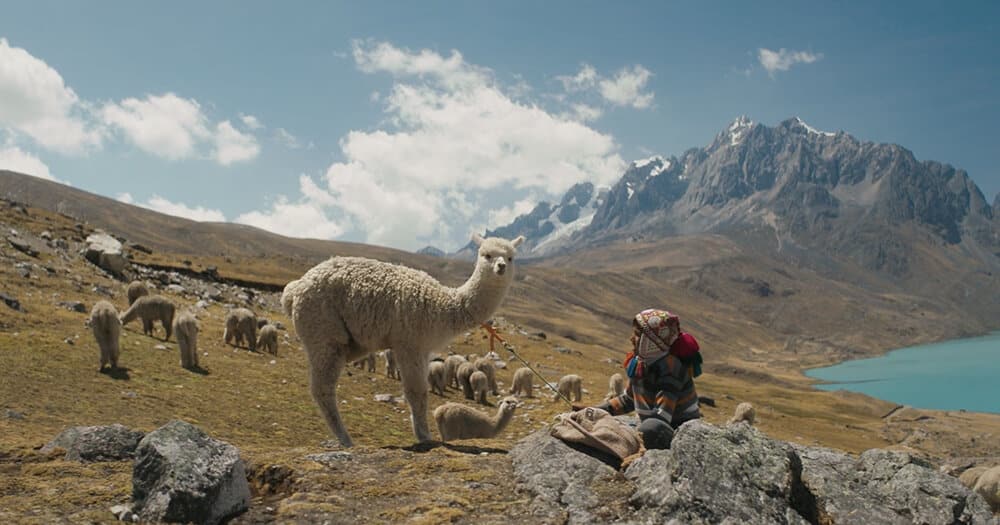
With several dystopian scenarios in the mix, this year’s Latinx Film Festival is no Hallmark feel-good fest. But Gabriel Mascaro’s “The Blue Trail,” a Brazil-Mexico-Chile-Netherlands co-production, reaches beyond its dystopian future vision in the hope of something better. The central figure is Tereza, a 77-year-old woman who charters a boat and takes a vividly filmed, dreamlike voyage upriver to Itacoatiara, where she hopes to charter a flight and fulfill her bucket-list wish of flying in an airplane. The boat trip, full of strange sights and encounters that change Tereza’s life, demonstrates the power of film to immerse the viewer in distant places and rare experiences.
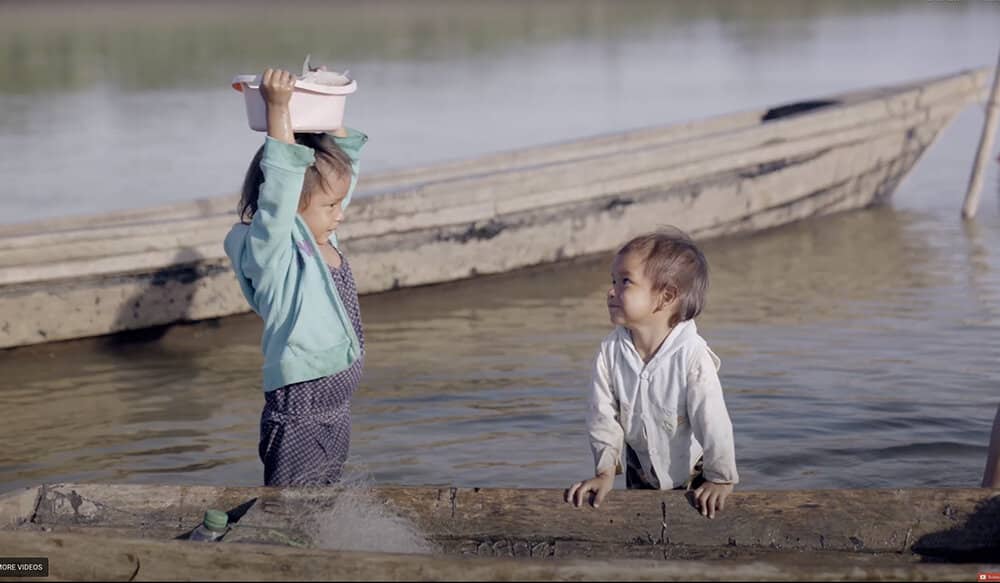
“Karuara, People of the River” offers another eye-opening trip, using both live action and hand-painted animation to reveal a hidden folkloric world beneath the waters of Peru’s Amazon region. The Karuara women petition the Peruvian government to recognize the Marañón River as a legal person, reflecting their belief that all things are interconnected. The visionary film will be presented by director Stephanie Boyd via Zoom.
Friday night, the film festival will collaborate with the MSU Broad Art Museum to screen “Rito de Paso” (“Rite of Passage”), a politically charged documentary centering on Caribbean artist-activist Helen Ceballos. Director Pedro Iván Bonilla will present the film alongside Rhett Garcia, his colleague at LA 18, the Museum of Contemporary Art of Puerto Rico’s film division. In a neat convergence of the film festival and the MSU Broad Underground series, Bonilla and Garcia will follow the documentary screening with a program of short films produced by LA18.
Music has always been an integral part of the film festival, both on and off screen, from the rap music that inspires the young protagonist of “Boca Chica” to the inventive electronic score that accompanies the hallucinatory cinematography of “The Blue Trail.” This year’s festival will push the synergy between film and live music to new heights.
Saturday night, all the events take place in REO Town. The Robin Theatre will host the Michigan premiere of the award-winning documentary “La Singla,” a Spain-Germany co-production written and directed by Paloma Zapata.
“La Singla” centers on the story of a teenage flamenco dancer who suddenly disappeared from the stage in the 1960s, at the height of her fame. Zapata spent four years tracking La Singla down, leading a final reveal that is strange, surprising and poignant.
The screening will be followed by a concert at the REO Town Clubhouse featuring Michigan’s Hot Sun Duo, or guitarist Nikola Baltic and percussionist Roberto Maldonado.
The duo will play flamenco-inspired Spanish rumba similar to the music featured in “La Singla,” stretching out into Brazilian samba and Latin jazz.
“What I love about this is that they’re going to carry over what we’ve just watched and heard at The Robin and then take us on this journey that reflects the whole film program,” Boehm said.
Friday’s events will climax with a sizzling set by Latin big band Salsa Verde at UrbanBeat in Old Town.
“This is the first time we’ve had two full concerts off campus,” Boehm said. “We’ve said music is a crucial part of the festival, and this shows how robust the program is.”
Boehm is so enthusiastic about this year’s slate that he’s recruiting visitors from Ann Arbor, Detroit and Grand Rapids.
“We’ve got the kind of films that would make the drive worth it,” he said. “Usually, it’s the other way around.”
Related Articles
A roundup of recent Lansing-area music news
From Big Sur releases new album, Starfarm’s Whitney Who has a new group and Displaced Manor finds a new home
Ten touchstones in local LGBTQ+ history
In 1971, gay activists in East Lansing demanded protections in the city government’s hiring process from their City Council. They came, they fought, and they won: East Lansing’s early 1972 civil rights ordinance was the first of its kind in the country.