
No data center in Lansing after Deep Green withdraws plans
During the city council meeting on Monday evening, Lansing Mayor Andy Schor said a proposed data center in downtown Lansing won’t be built or considered in the city.
The Lansing City Council …
During the city council meeting on Monday evening, Lansing Mayor Andy Schor said a proposed data center in downtown Lansing won’t be built or considered in the city.
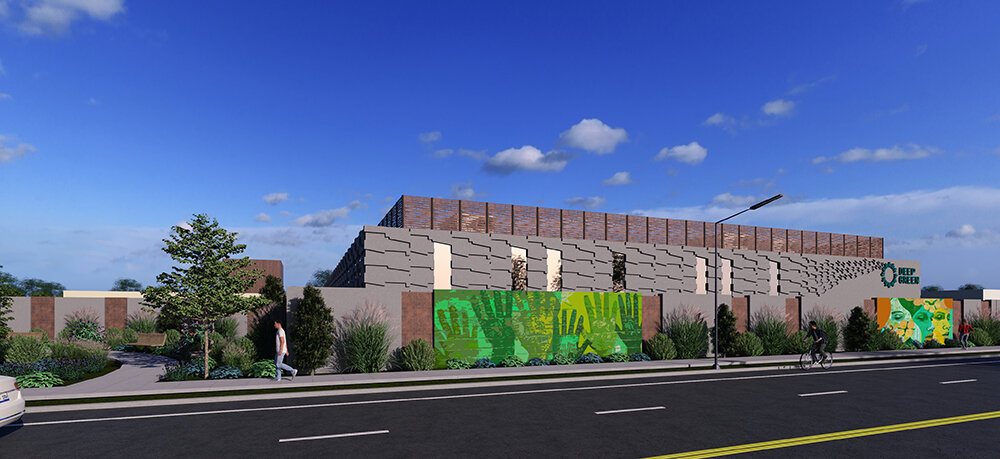
The Lansing City Council was expected to vote on the proposal Monday night, a zoning adjustment to allow Deep Green, a United Kingdom-based technology company, to purchase the site and build a controversial data center in the city’s stadium district.
“Items 26 and 29 have been pulled from the agenda,” said Council President Peter Spadafore at the start of the meeting. “Item 26 was the sale of city property … and the people at Deep Green have requested to pull that back.”
The 24-megawatt data center was proposed by Deep Green in November of last year, alongside the Lansing Board of Water and Light, as a new clean energy facility and as an economic boost for the city. The plan was to build a 25,000-square-foot data center on four largely unused lots on Kalamazoo Street between Cedar and Larch streets, where a fuel cell plant was also planned to provide 16 megawatts. There would have been a projected investment of $120 million by Deep Green.
Some city officials supported the proposal and there was wide pushback from the community and grassroots organizations concerning environmental issues. The British company decided to withdraw its data center proposal hours before the Monday city council vote.
During the meeting, City Council Vice President Trini Pehlivanoglu asked Schor if the Deep Green proposal could come back in the future.
“It would have to go all the way back through the zoning process,” Schor said. “The contracts would start all over again. We did not request a tableabling. We did not request to come back in two weeks. These have been withdrawn.”
But the news already known hours before the meeting.
It shared on social media by officials from the city of Lansing and was rapidly reshared within minutes. Spadafore’s Facebook post said Deep Green was withdrawing, which meant “the data center proposal downtown will not move forward.”
Spadafore told City Pulse that with the withdrawal, there is no reasonable way for the Deep Green’s data center plans to continue, and the council has not been presented with any alternative sites or proposals.
Although the tech company didn’t publicly share its reasons, in a brief statement shared to media outlets, CEO Mark Lee wrote that the company is committed to building the data center in the right way.
“We are confident that Michigan is a place that values responsible development, and we continue to work with local partners and communities in the region,” Lee wrote. “We are fully energized in our mission to build the first data center of its kind in the United States, one that delivers advanced computing power while capturing and reusing waste heat for the benefit of the communities where we operate.”
Dick Peffley, general manager of BWL, said in a statement that the utility still believes in the benefits of the proposal. BWL had planned to use heat generated by the data center to power a hot-water heating system for downtown buildings.
Amy Adamy, a spokesperson for BWL, told City Pulse via email that they had been planning to convert their steam utility for several years, and now, since they had seen an opportunity in the data center, they will have to review their projects.
“We have had plans in place to support the project, whether Deep Green was approved or not, and progress to continue construction of the system will not be impacted after yesterday’s decision, though it will require us to review and reassess design and costs,” she said.
The Lansing Regional Chamber of Commerce said, in a statement signed by President and COO Tim Daman, that the withdrawal of the $120 million plan was “deeply disappointing.”
“Lansing cannot expect improved services, expand opportunities and long-term growth while turning away the very investments that make those outcomes possible …. Unfortunately, we are losing out on a significant investment that would have strengthened our economy, expanded opportunities and positioned the Capital City for long-term success.”
For the city council meeting, around 100 speakers had signed up for public comments. Grassroots organizations had encouraged people to show up hours early. During the speeches, the vast majority overwhelmingly expressed disapproval in council members who supported the project, and called for better management of public spaces for the community. Overall, the community’s comments were marked by an air of celebration and relief.
“Give us something not to complain about,” said Jodi Washington, a former council member and mother of council member Adam Hussain. “We would welcome it. I’m sorry that your administration has gone south. I’m sorry that this council’s quite inept. So please leave the land empty until we get another mayor and another council that has vision, a plan, critical thinking, and we can move forward.”
Mayor Schor had strongly supported the project, including in an April 1 letter to the community, the letter cited various economic benefits and attempted to assure voters there would be no significant environmental impact.
After the proposal was withdrawn, Schor said in a statement that he had been encouraged about the plan but also “heard the concerns raised by some members of the Lansing public.”
He appeared to signal a clean break.
“As this property will remain empty parking lots, I ask all those who suggested housing on these parcels to provide their proposals for development into housing,” Schor wrote. “I agree that would be great for this area, and I look forward to seeing those proposals and financing to make this happen.”
For Jerry Norris, founder of The Fledge, the withdrawal was not a win but a “block shot.”
“How did we get here” Norris said during public comment. “How did you guys bring this to us? How did so many people not want it? And how do we look forward and try to figure out how to not make this happen again? I don’t want to be up here screaming and yelling and scared and all of these things that make me reactive to what’s going on. I want to be up here working with you.”
He said a lack of analysis and studies into pollution, environmental and health impacts prior was a problem. He said projected revenue from the data center won’t cover pricy asthma hospitalizations or other concerns.
One of at least three City Council members opposing the project, Deyanira Nevarez-Martinez said Monday that she would have voted against the proposal had the vote taken place. She said the city of Lansing needs revitalization and shared a draft ordinance with the office of the city attorney that would prohibit data centers from commercial and downtown commercial districts.
“This proposal is not just a data center,” Nevarez-Martinez said. “It includes a 16-megawatt natural gas-powered fuel cell facility located in a dense mixed-use downtown near homes, businesses, and the heart of our cities and our state’s civic life. For me, this came down to a fundamental planning question. Do I believe a power plant belongs in downtown Lansing? My professional opinion is no.”
After her words, among the attendees, sighs of relief and applause were heard.
Related Articles

Meet the local women leading Greater Lansing efforts to provide the ‘dignity of work’
No matter how successful Shara Trierweiler became in her years-long finance career, it never seemed to make being a mom to her two children, Philomena and Dominic, any easier. …
Rewind: News from the last 7 days
Rewind 6/3/26 The Michigan State Police have finished their investigation into the April 15 fatal police shooting of Isaiah Kirby by East Lansing officers.
Prayer Walk for Peace in Lansing brought faithful protesters to Capitol
Photo Gallery – Prayer Walk for Peace