
Homelessness, Data Centers Take Center Stage At SD-28, HD-74 Forum
The Democratic candidates running for both the open 28th Senate District seat and the 74th House District seat — by and large — found consensus tonight in their concerns over large-scale data centers and for treating homelessness as a housing issue instead of a criminal one.
The forums, hosted by the Lansing NAACP, Mid-Michigan Tenant Resource Center, Home Rule Project and SEIU Michigan, drew candidates for seats being vacated by Senate Majority Floor Leader Sam Singh (D-East Lansing) and Rep. Kara Hope (D-Holt).
Each candidate who addressed the issue of data centers voiced support for either a moratorium or significantly stronger state regulations.

Ted Kilvington
SD-28 candidate Ted Kilvington, formerly an analyst for the State Court Administrator and the Michigan State Police, called for an immediate statewide moratorium on all data center construction until lawmakers establish standards requiring developers to pay for their own electrical, water and sewer infrastructure and to treat their own water onsite.
Kilvington, 57, called data centers his signature issue. He spoke about the centers needing to have a “closed-loop system.” The millions of gallons of water used to cool these enormous collections of computer servers, he said, should be treated onsite rather than being sent to a municipal facility for treatment.

His primary opponent, Rashida Harrison, an educator, also backed a moratorium, saying lawmakers need more information on the long-term environmental and health effects of the facilities, particularly those powering artificial intelligence operations. She also said local residents should have the final say on whether such projects are welcomed into their communities.
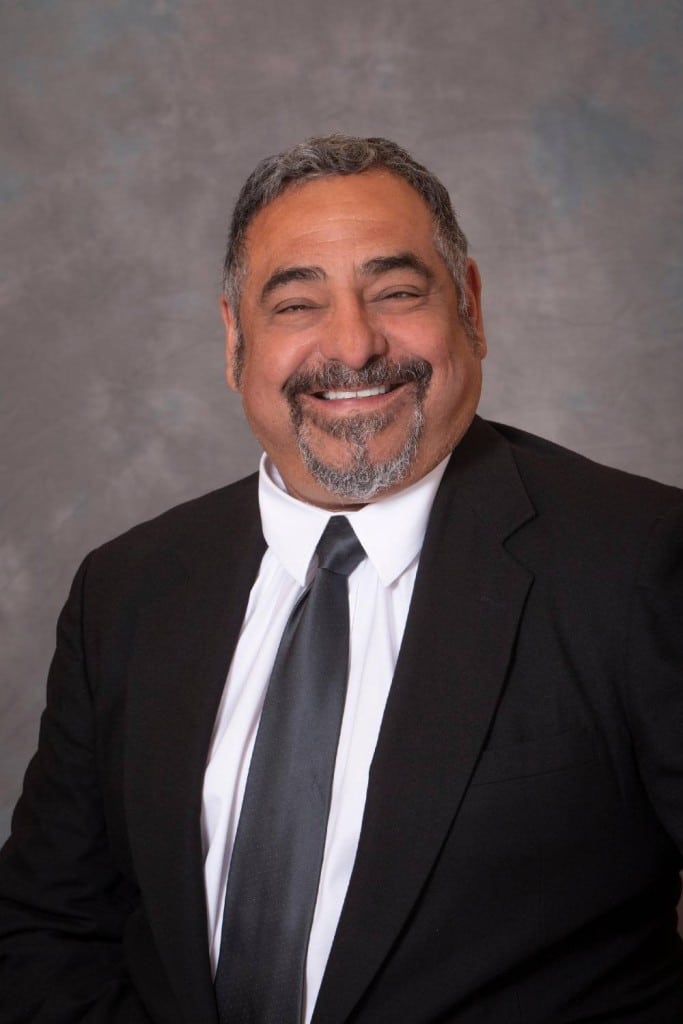
Ingham County Commissioner Bob Pena raised concerns about the effect data centers could have on groundwater quality and the heat generated from them.
Fellow Commissioner Mark Polsdofer took a more measured approach and pointed to House Democratic caucus legislation intended to better regulate data center construction. He also voiced support for local officials’ ability to shoot down these investments.
“We also need to think about our friends at IBEW and the plumbers and pipefitters and the carpenters are counting on this to feed their families,” he said.
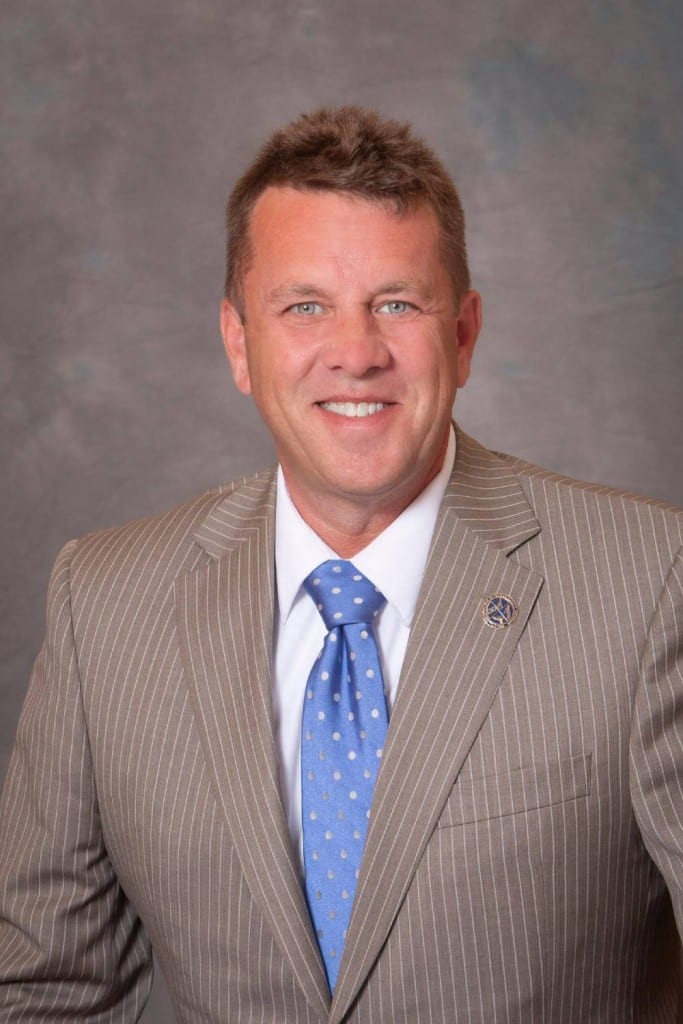
The House District 74 (covering South Lansing, Holt) candidates were even more emphatic.
Democrat Aaron Iturralde, 24, said he supports at least a one-year statewide moratorium to allow time to study the facilities’ environmental, health and economic impacts.

“We don’t know everything and all the impacts that these data centers will do, whether it’s to our environment, to our neighborhoods, to our air, to our land, to our water, to our farms,” he said.
The Grand Ledge social studies teacher connected the issue to both environmental concerns and the rise of artificial intelligence in schools, saying, “I am seeing the impacts of AI in our schools and it is scary.”

Fellow Democrat TyJuan Thirdgill proposed a longer two-year moratorium and called for repealing the tax incentives approved in 2024 to encourage data center development. He also argued local communities should have the ability to reject projects they do not want.
Former Lansing NAACP President Harold Pope accused developers of trying to rush projects before sufficient studies had been completed and said stronger “guardrails” are needed to protect ratepayers and communities.

The other issue that united candidates across both forums was homelessness.
Candidates in both races repeatedly rejected efforts by local governments to criminalize homeless encampments and instead advocated for housing-first policies and greater investments in supportive housing.
Pena, 63, called housing “a human right.” Having worked with the county Land Bank, the former Department of Transportation engineer spoke of a period of time early in his life when he said he ran out of money and slept in a law library for a few months.
Kilvington argued that the state would likely save money by investing more heavily in public housing because stable housing could reduce crime and healthcare costs.
Harrison, 46, said she opposes anti-camping ordinances and supports statewide initiatives to make housing more accessible, including social housing and mixed-income developments. The first-time candidate tapped into her experience as a researcher and equity strategist when she said, “Your experience is actually data.”
She argued that legislation should be built around the needs of those with the least power. She also gave a specific housing policy answer, citing repeal of the rent-control ban and support for tenants’ rights legislation.
Polsdofer highlighted work he has done with the Michigan Department of Transportation to ensure individuals experiencing homelessness are connected with services and resources rather than simply moved from place to place.
The House candidates adopted a similar tone.
Iturralde said homelessness should always be addressed “with empathy first” and argued that the state needs to provide local governments with more resources to get people into housing and support services.
Pope, 66, the former president of Lansing’s NAACP branch, was even more direct.
“Homelessness should never be a crime, never ever,” he said, citing his previous work opposing anti-camping ordinances in East Lansing.
Thirdgill proposed sweeping legislation to ban encampment sweeps or, at a minimum, make them far more difficult to conduct by requiring advance notice, transportation to alternative locations and the involvement of social workers instead of police officers. He argued that every person experiencing homelessness is evidence of a policy failure by government.
The roughly hour-long forums ran back-to-back.
Among the most notable moments was when Polsdofer, 54, revealed he suffered a stroke two-and-a-half years ago and left the hospital using a wheeled walker. He said the experience deepened his appreciation for health care access and the challenges faced by individuals with disabilities. After months of rehabilitation, he said he can now ride a bike and run 5Ks again.
Thirdgill, a 27-year-old political organizer, used his closing statement to call attention to conditions at the Women’s Huron Valley Correctional Facility, citing three recent inmate deaths and criticizing state leaders for not launching a more aggressive investigation. He urged attendees to contact state officials and demand accountability, saying the conditions inside the prison are “horrific” and the deaths are “unacceptable.”
Pope leaned into his life experiences. He served 10 years in the military, spent more than three decades in the auto industry, raised children as a single parent and, at one point, worried about being evicted while working nights. Those experiences, he said, have given him an understanding of the challenges many families face and prepared him to advocate for those struggling with housing, finances and other troubles.