
How does Lansing decide which streets deserve to be plowed?
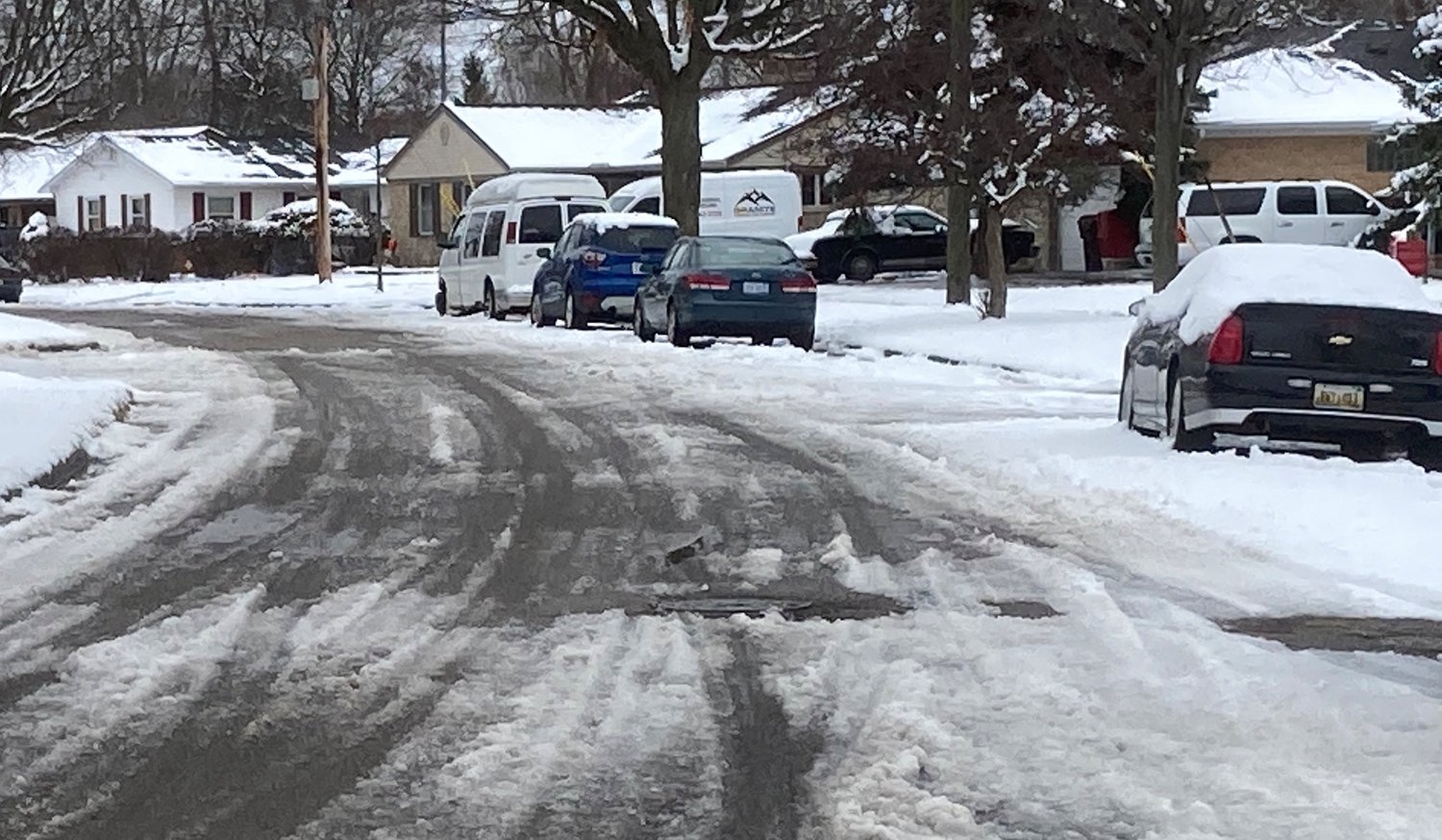
Dozens of Lansing residents voiced frustrations this week after their street remained unplowed following a winter storm that blanketed Greater Lansing in snow.
Lansing developing GPS software to track snow plows and salt trucks
THURSDAY, Jan. 7 — Dozens of Lansing residents voiced frustrations this week after their street remained unplowed following a winter storm that blanketed Greater Lansing in snow.
Wondering why a plow never came by? Cash is tight. Roads are winding. And city officials say they simply don’t have the resources to ensure every local street has been salted and cleared.
Sarah Immekus has lived for six years on Marion Avenue in southwest Lansing. She said she can count on one hand the number of times her street has been plowed or salted in the winter.
“It’s very frustrating,” Immekus told City Pulse. “I had a car in recent years and I would constantly get stuck and would have to gun it to just get out of the neighborhood because there would be 2-foot piles of snow at the ends of the streets on Mt. Hope and Martin Luther King Jr.”
Andy Kilpatrick, director of Lansing’s Department of Public Service, said state trunk lines, major streets, roads with hills and curves and local bus routes are among the first to be plowed and salted after a significant snowfall. Only then do plows make their way into neighborhoods.
And even if they see a plow, most smaller streets never see an ounce of salt, Kilpatrick said. He doesn’t doubt that some residents rarely see a plow truck on their street. It’s expected, he said.
“If we did all the local streets the same way we did the major streets, it’s going to be three times the amount of salt,” Kilpatrick added, noting that plowing plans haven’t changed in years.
The city maintains a fleet of 52 trucks for winter operations, including plowing and salting the city’s 107 miles of major streets and 103 miles of local streets, Kilpatrick said. The city also spends about $500,000 annually on road salt. Costs are the biggest limitations to expansion.
“If enough residents think it’s a priority to plow more, the city would be willing to consider that, but we’d have to be willing to look at the tradeoffs,” Kilpatrick added. “If the residents think it’s a priority, we can think about shifting services within our existing budget or look for new funding.”
The city also considers upcoming trash and recycling collection schedules in deciding which streets should receive top priority for plowing and salting, Kilpatrick said. That lends to inconsistencies in which streets are plowed in which order after any given snow storm, though the city does have a text message alert system through Nixle that provides plowing updates.
The city is also in the midst of developing an online map that will eventually allow residents to see, in real time, where plow and salt trucks are clearing streets after it snows. No set date has been set for its release, though Kilpatrick said it’s among Mayor Andy Schor’s top priorities. GPS trackers would also help city officials track which roadways still need to be cleared.
“Right now we don’t have an easy way to make sure we’ve gotten every street,” Kilpatrick said.
Many residents, in the meantime, have been stuck in the slush waiting for better service.
Edwina Riddle said she has seen Meals on Wheels delivery trucks and emergency vehicles stuck due to insufficient snow plowing and salt on Hillsdale road on the westside of Lansing. A salt truck passed by her house on Tuesday, several days after Lansing had significant snowfall.
“It was a quick drive-through,” Riddle said, suggesting that her street could use more attention.