Barrett announces telephone town hall, leaving protesters unsatisfied
U.S. Rep. Tom Barrett, R-Charlotte, announced the first town hall of his term — but the format has left some constituents wanting more.
Barrett’s office insists questions will not be screened
(This story has been updated to include a newly posted link to sign up for the telephone town hall.)
WEDNESDAY, March 5 — U.S. Rep. Tom Barrett, R-Charlotte, announced the first town hall of his term — but the format has left some constituents wanting more.
Rather than hold the in-person town hall protesters demanded during the congressional recess, Barrett will hold a one-hour telephone town hall at 7:10 p.m. Monday.
The decision comes after House Republican leaders advised lawmakers to avoid in-person town halls, according to a report from NBC. February’s congressional recess was tumultuous for Republican congresspeople, with multiple town halls interrupted by angry constituents. Some clips went viral on social media, fueling concerns about the optics of town halls amid major Democratic backlash to the Trump administration’s budget cuts and mass firings.
Attendees will call into a number to be posted to Barrett’s social media channels and can enter a queue to ask questions, according to Barrett’s press secretary Michael Gordon. Gordon said the event will also be streamed on their website, and that Barrett’s team is trying to integrate a chat function.
Telephone town halls are common, but the decision has been contentious amid Democratic accusations that Barrett is “hiding” from constituents.
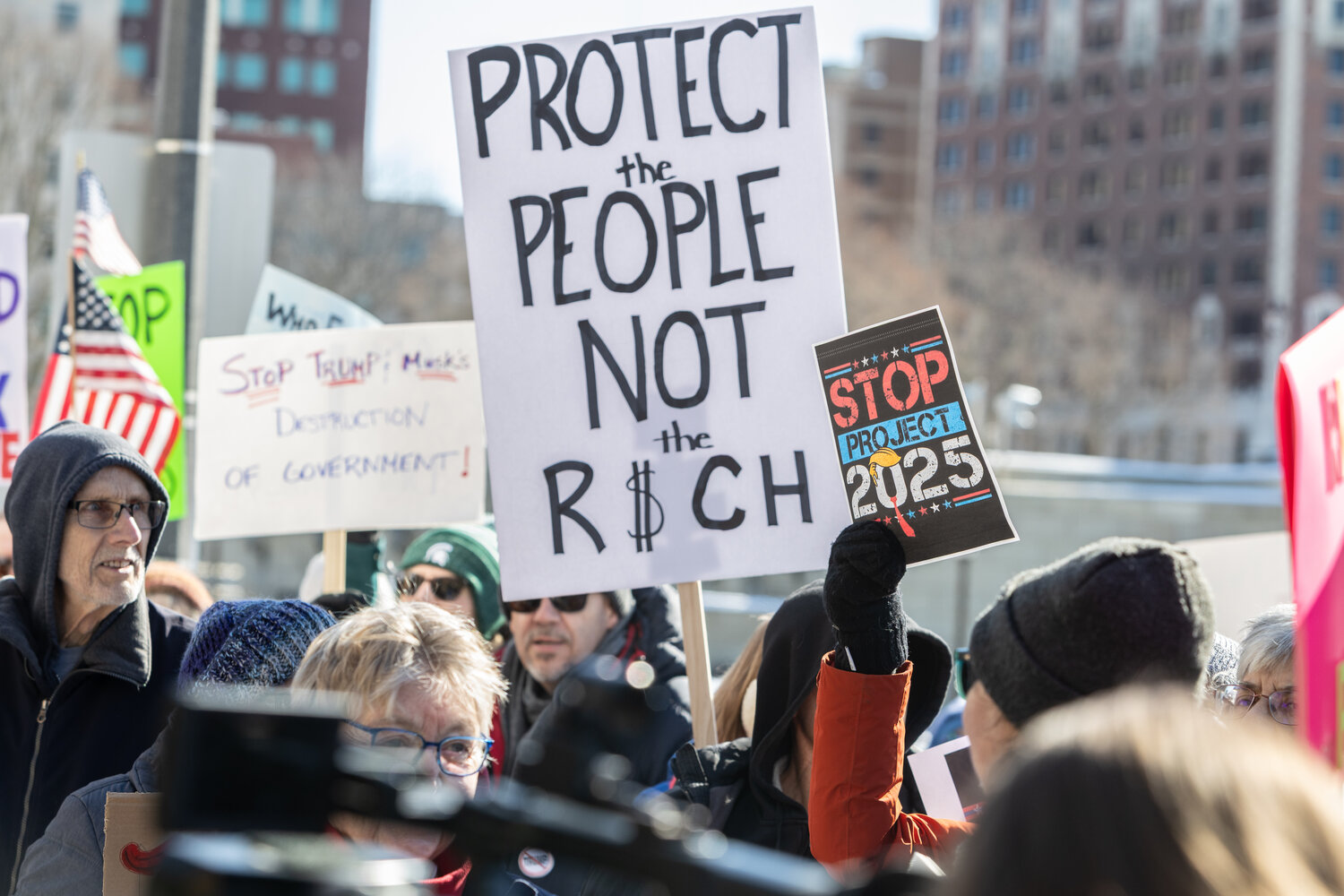
“It does not meet his responsibility to constituents,” said Judy Daubenmier, chair of the Livingston County Democrats and an organizer of a protest calling for a town hall. “We deserve an in-person town hall so that we can talk to him face-to-face. Those telephone town halls are controlled environments where he is only going to answer the questions he wants to answer.”
Gordon insisted questions will not be screened in advance. Instead, time will be the limiter. The scheduled 60-minute call will have very little buffer room.
“To get through as many questions as possible, it is going to be mediated with a queue to ask a question,” said Gordon. “But if you have a question for the congressman, the congressman will answer your question as long as we can get to you.”
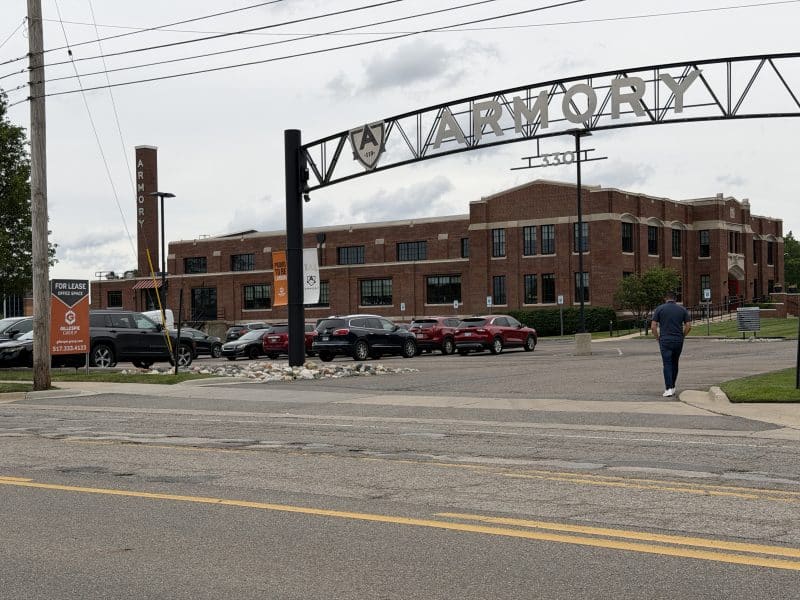
Gordon said the format was chosen to meet with more people at once, and that the event had been planned “for a while” and was not in response to protests. He also said that holding in-person events in Lansing would be difficult this early into Barrett’s term.
“It takes time and staff to get things going, and we’re not fully staffed or unpacked at the district office,” said Gordon. “This allows us to hear from constituents and at the same time be accessible to them.”
Those interested in attending the telephone town hall can sign up on Barrett’s website.
Leadership of Indivisible Michigan 7, which led a Feb. 21 protest also calling for a town hall, is unsatisfied. Tessa Paneth-Pollak, a coordinator for the group, said the group is still demanding an in-person town hall.
The national organization Indivisible, which provides resources to local groups, suggests “empty chair” town halls, in-person events congresspeople are invited to, but not expected to attend. In 2017, local Indivisible organizers held one such “town hall” with a cardboard cutout of former Rep. Mike Bishop. Paneth-Pollak said the local Indivisible is considering holding one for Barrett.
Daubenmier is still hoping for an in-person town hall, and a petition is circulating through local activist groups demanding one.
“We deserve a chance to talk to him face-to-face,” said Daubenmier. “And he needs to hear us face to face.”
Another constituent, John Hansen of Lansing, was surprised when Barrett’s office announced the format.
“I brought up that there were Democrats doing telephone or video town halls,” he said about a phone conversation he had with a staff member in Barrett’s office last week, “and they said they would absolutely not do that.”