
Amid public concern, East Lansing Council delays decision on changes to police oversight commission
The East Lansing City Council voted at Tuesday’s meeting to postpone the adoption of new changes to the city’s Police Department and Independent Police Oversight Commission amid public …
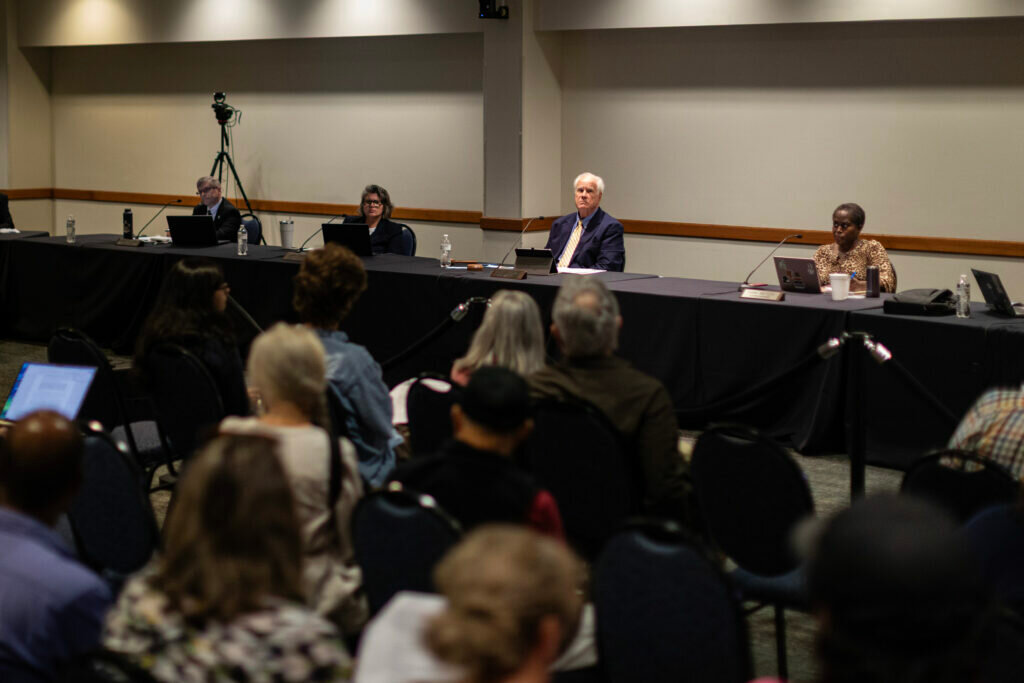
The East Lansing City Council voted Tuesday to postpone adopting changes to the city’s Police Department and Independent Police Oversight Commission amid public opposition against the ordinance and concerns about the lack of safety downtown late at night on weekends.
The changes to Ordinance 1533 were postponed for a second reading and possible adoption to the Oct. 21 council meeting. The commission, which was established in July 2021, is responsible for police accountability.
Council members Dana Watson and Mark Meadows requested the delay, and the motion passed unanimously, with the city attorney confirming there was no legal concern with deferring the vote.
Although the adoption was delayed, the Council also considered whether to release a cross-reference document that details the proposed changes. Council member Erik Altmann, who voted no, mentioned that the Labor Council advised against publication, citing complicated legal implications. However, the council voted 4–1 to release the document to the public and to the commission.
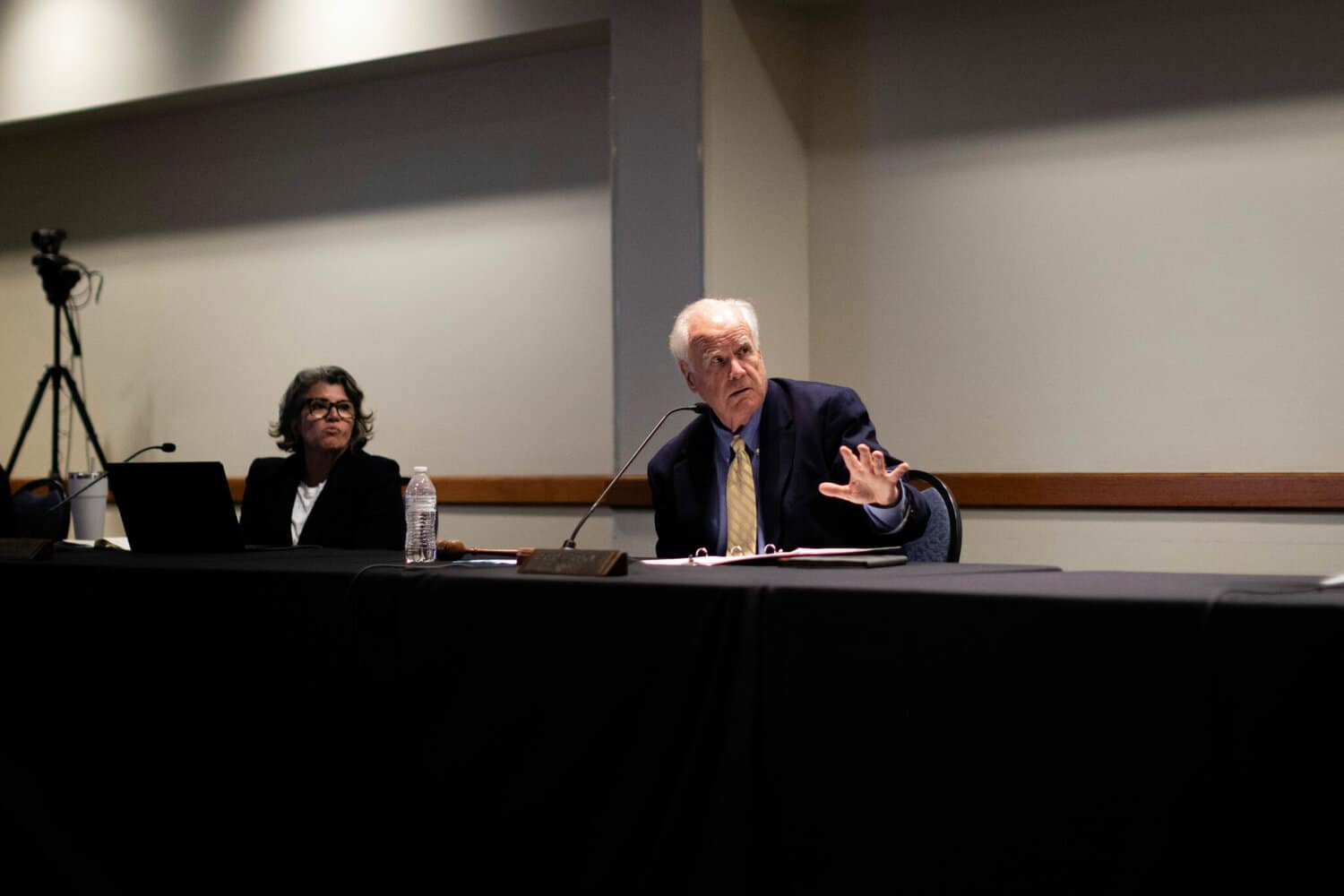
Following a report from East Lansing Info Sept. 9, the Council met in a closed special session with labor attorney Gouri Sashital to review a legal opinion from labor counsel. Oversight Commissioner Chris Root requested that the Council share a confidential document explaining how a new police contract mandates changes. Root noted the Council could waive confidentiality with a majority vote.
These new changes resulted from a new contract between the city and the East Lansing Police Department patrol officers’ union, which also led the commission to hire outside attorneys over concerns about transparency and accountability.
The contract introduces significant changes to the ordinance governing the commission, limiting its ability to review complaints before final decisions are made, withholding the names of officers in use-of-force and crisis-related reports, and prohibiting the commission or its members from commenting on pending complaints, internal investigations, personnel matters or ongoing police operations.
Changes to the ordinance and its potential effects have been discussed at several meetings. Those opposing the proposed changes have argued that they represent an attack on the community by removing its ability to independently oversee the police, which could lead to unchecked abuses of power.
“In a democratic society, the powerful must be subject to scrutiny by the people, and there is no greater power than that of life and death, which the police hold over others,” Karen Hoene from the city’s Human Rights Commission said. “People will not be sure whether they will be treated fairly, as there will be no easily accessible, impartial authority with any real power to investigate abuses. At this critical time in our nation’s history, we’re at another page.”
Hoene’s comments followed a letter to the Council from the city’s Human Rights Commission last week. The letter called the proposed changes “diametrically opposed to the purpose and mission for which ELIPOC was created.”
“ELIPOC was formed with the intent to address the historical and documented over policing and use of force against communities of color and other protected classes,” it said. It acknowledged a “comprehensive” process behind the initial establishment of the Police Oversight Commission, including “extensive research and data collection” and a study group. It garnered “the full support of both the Human Rights Commission and the City Council.”
The letter argued the proposed changes would damage public trust, because “people will not be sure whether they will be treated fairly as there will be no easily accessible impartial authority with any real power to investigate abuses of power.”
The Police Oversight Commission shared its concerns regarding the changes two weeks ago. In its letter, the Human Rights Commission supported the commission’s recommendations.
At the meeting, Root emphasized the positive importance of releasing the cross-referencing document, which clarifies the source of changes to the ordinance, adding that this was an action they had been expecting since August 12.
On the other hand, in contrast to recent violent incidents downtown, Ali Haider, a downtown business owner, mentioned that East Lansing police “did an amazing job” in apprehending the attackers who had been harassing his business and employees during late-night hours.
“So, when somebody’s making an arrest, it’s not about the race. When somebody’s filing a complaint, it’s not about the race,” Haider said. “People are doing their job. If anyone is going to come to the downtown and they’re going to create a disturbance, cops are supposed to arrest them.”
In addition to concerns about downtown safety and the recent changes to the oversight commission, Council member Watson said that it is essential that no one be subjected to more rigorous scrutiny based on their race or stereotypes, and that all residents must be treated equally under the police actions.
“The cops have to be held accountable to the community as well. And so, especially if people might be noticing or thinking that it’s driven by Black and brown people, then it’s important that we have a balance and we have someone else with eyes on it. Because I don’t deserve to just get looked at hard because of the color of my skin when I go out places, harder than my white counterparts,” Watson said.