
Design Once, Ship Everywhere: Ouch for Modern Product Pipelines
What Ouch Is and Why It Matters
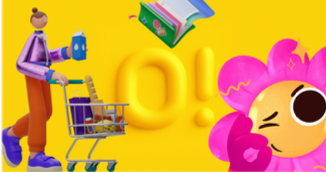
Ouch by Icons8 is a curated library of vector and high resolution raster illustrations built under a single art direction with clear licensing. It is not a grab …
What Ouch Is and Why It Matters
Ouch by Icons8 is a curated library of vector and high resolution raster illustrations built under a single art direction with clear licensing. It is not a grab bag of unrelated packs. Styles and topics are organized so teams can keep a consistent look across onboarding, empty states, landing pages, ads, decks, and courseware without stitching together mismatched graphics.
Icons8 has shipped asset libraries since 2012, starting with icons and branching into Moose stock photos, music, and Lunacy. Ouch extends that ecosystem for product and marketing. The edge is not raw volume. It is coherence, predictable formats, and integrations that slot into the tools designers and developers already use.
Asset Quality, Formats, and Editing Workflow
Quality shows up in proportion, line weight, color balance, and how scenes scale from mobile to desktop. Ouch sets are built for production, not just Dribbble shots. Most flat and line styles arrive as SVG for direct edits in Figma, Sketch, Illustrator, or Lunacy. Assets with 3D form or complex shading ship as high resolution PNG. That split is practical. Vectors where you want tinting and shape control, raster where lighting and volume matter.
Two workflows dominate in teams that adopt Ouch:
- Figma or Sketch import and tinting. SVGs drop into design systems, recolor to tokens, and store as components. Clean path structure keeps recoloring fast instead of a layer hunt.
- Lunacy centric editing. Lunacy on Windows and macOS has Ouch built in, handles SVG edits, and exports without license friction for teams outside Adobe.
For the web, optimize SVGs with SVGO or SVGOMG. Inlined art at roughly 50 to 200 KB compresses well and lets you theme with CSS while avoiding extra requests. Raster only assets should go through WebP or AVIF, use srcset and sizes, and lazy load below the fold to protect Largest Contentful Paint.
Licensing, Compliance, and Risk Management
Illustration licensing pain tends to spike at launch or audit. Ouch keeps it simple:
- Free tier with attribution. Public use is allowed with a credit link to Icons8 per their rules. Good for personal sites, prototypes, open education, or early projects that can show a credit.
- Paid subscription or team plan. Removes attribution and expands commercial rights. Use this for products, ads, app store shots, and investor materials.
Icons8 publishes plain language license pages that explain attribution, redistribution limits, and commercial allowances. Check current terms before shipping because policies can change. The simplicity lowers procurement friction. Legal sees a known vendor, a clear free versus paid split, and seat based controls instead of per asset micro licenses.
Fit for Web Designers and UI/UX Specialists
Product designers need one visual voice from onboarding to upgrade prompts. Ouch delivers families of scenes that hold together in stroke, perspective, and character anatomy. Design system teams can create illustration tokens, for example state error, state empty, and state success, each mapped to one SVG tinted to brand values and sized to your grid. Many scenes include generous negative space, so responsive cropping behaves. Since most sets are vectors, dark mode is a one time color adjustment rather than a second library to maintain.
During research, swap dense scenes for minimalist ones to test comprehension and focus. Coverage across work, finance, education, health, and core UI metaphors lets you iterate without booking a custom illustrator for every round.
Value for Marketers and SMM Managers
Campaigns move faster than bespoke art. Ouch gives you a single style that scales from hero headers to social posts to email spot art. Vectors stay crisp at any size, so you can keep one campaign look across LinkedIn, Instagram, and a microsite without visual drift.
For performance work, standardize your variables. Hold headline and CTA, then vary composition or palette to measure lift. Build team playbooks, for example sparse backgrounds and clear figures for top of funnel, scenes with interface elements for product qualified audiences. Shared libraries keep agencies and contractors on brand and out of legal trouble.
Accessibility matters. Flat and line styles compress well, load quickly on cellular, and remain legible in feeds. If you overlay copy, pick scenes with predictable empty regions for contrast. Treat alt text deliberately. Decorative art can be presentational, but many campaign visuals carry meaning and should be described.
Developers’ Perspective: Performance, Delivery, and Tooling
Engineering inherits illustration choices and the performance bill. Ouch reduces surprises:
- SVG structure is clean, so you can prune defs and gradients and avoid runaway DOM nodes.
- PNG based 3D assets arrive at ample resolution for AVIF or WebP conversion in CI, then serve with srcset and sizes.
- Local downloads avoid hotlinking. Serve from your CDN with caching and HTTP 2 prioritization.
Inline critical SVGs for above the fold art and remove extra requests. Mark non critical images with loading=”lazy” and decoding=”async”. In Next.js, wrap raster art in the Image component for automatic resizing and format negotiation. For automation, keep source SVGs in the repo, run SVGO with a shared config, and output brand tinted variants during build so design and engineering stay aligned.
Use in Education: Institutions and Educators
Instructors need visuals that make abstract ideas click. Ouch’s consistent sets let course creators keep continuity across slides, LMS content, and printables. The free with attribution model fits open courses, and a paid team plan clears the path for licensed courseware and MOOCs.
For STEM, minimalist line styles humanize lessons without fighting formulas or code. For humanities, narrative scenes anchor case studies. Cohesive art direction makes departments look coordinated even when multiple instructors assemble materials across a semester. If your institution follows Section 508 or EN 301 549, vector formats simplify contrast tweaks and ensure crisp rendering on high DPI lecture hall displays.
Startups and Small Businesses: Cost, Speed, and Brand Consistency
Early teams need credible visuals before they can fund custom illustration. Ouch is the bridge. Stand up a visual language quickly, validate it with users, then commission bespoke art once the message is stable. The assets are strong enough for investor decks, landing pages, and app stores. Recolor to your palette, adjust minor SVG elements, and ship.
The common failure is inconsistency from ad hoc sourcing. Ouch helps prevent that with coherent sets. Lock a provisional art direction, document quick rules, for example which set, tint ranges, and do not use cases, and upgrade later with a custom illustrator who matches the chosen set’s geometry and rhythm. You avoid churn when the product pivots.
Where the Library Excels and Where It Doesn’t
Ouch excels at breadth with cohesion. It gives you a brandable illustration language fast, especially for UI states, product marketing, and education. The tradeoffs are predictable. Distinctiveness at scale can flatten if peers use the same base assets, and while color shifts and edits help, uniqueness eventually requires custom work. 3D heavy looks are often raster only, so you cannot tweak lighting or camera, only color overlays and crops. Highly niche subjects, such as specific biotech workflows, may not be covered and will need adaptation.
Comparisons with Alternative Illustration Libraries
Compared with unDraw, which is MIT licensed, monochrome, and easy to colorize, Ouch offers more styles and tighter art direction across themes. You trade a permissive license for a clear commercial license with attribution rules on the free tier. Storyset by Freepik leans into animation and character customization, good for cartoon narratives. Ouch reads more restrained and product friendly, which fits enterprise UI. Blush focuses on modular characters you assemble pose by pose. Ouch is faster when you want ready made scenes that mirror product metaphors. LottieFiles covers motion. If you need micro animations, pair Ouch’s static art with lightweight Lottie moments instead of animating everything.
Decide by job, not brand loyalty. For rapid, cohesive, brand tintable assets across product and marketing, Ouch is the pragmatic default. For bespoke storytelling or motion heavy experiences, complement it or commission custom work. Browse the catalog at illustration scale to confirm coverage before you commit to a style.
Practical Implementation Tips for Teams
- Build a visual inventory of product states and campaigns, then map each slot to one Ouch style to avoid mixing sets.
- Store source SVGs in version control, apply SVGO in CI, and generate dark mode variants automatically.
- Document a tint palette and do not use rules, for example avoid busy scenes in small cards and keep at least 16 px negative space around figures.
- Track provenance and license state in your design system, including attribution for prototypes and paid status for launches.
Signals of a Mature Service
Three signs matter for long term use. First, Ouch refreshes styles without abandoning older sets, which protects products that evolve slowly. Second, live workflow integrations such as a Figma plugin and Lunacy access cut day to day friction. Third, clear licensing and predictable pricing, free with attribution or paid without attribution, keep legal reviews short and prevent audit surprises.
Should You Adopt Ouch?
If you want professional, consistent illustrations with almost no setup, Ouch is a strong pick. It fits product teams standardizing empty states and onboarding on web and mobile, marketing groups running multi channel campaigns on tight timelines, developers who prefer build time control and SVG first pipelines, educators who need legally safe visuals for courses, and startups that need credible art before they can commission custom illustration. Plan for custom work once distinctiveness becomes a strategic need, accept that 3D looks are often raster bound, and expect to bridge gaps in niche subjects. As part of a practical stack with Figma or Lunacy, SVGO, and modern image formats, Ouch gives you a solid, legally clean foundation without slowing your roadmap.
Author

Related Articles

Jokaroom VIP: a straight-talking look for Aussie players
players
Start at Jokaviproom to find new experiences and get moving. Prefer a quick taste before you commit? Try pokies like Elvis Frog in Vegas or Aztec Magic Bonanza to see the pace and …
AI without illusions: How the role of artificial intelligence in business is transforming in 2026
A few years ago, artificial intelligence (AI) seemed like something abstract, futuristic, accessible only to large corporations with gigantic budgets. However, by 2026, AI is turning into a tool for …
Pick a mascot, pick your pace
Jump into 5Gringos Casino . New punters at this 5Gringos online Casino can choose a straightforward starter match with a handful of free spins—easy to understand, handy if you want a quick try. …