Farmers market season is here
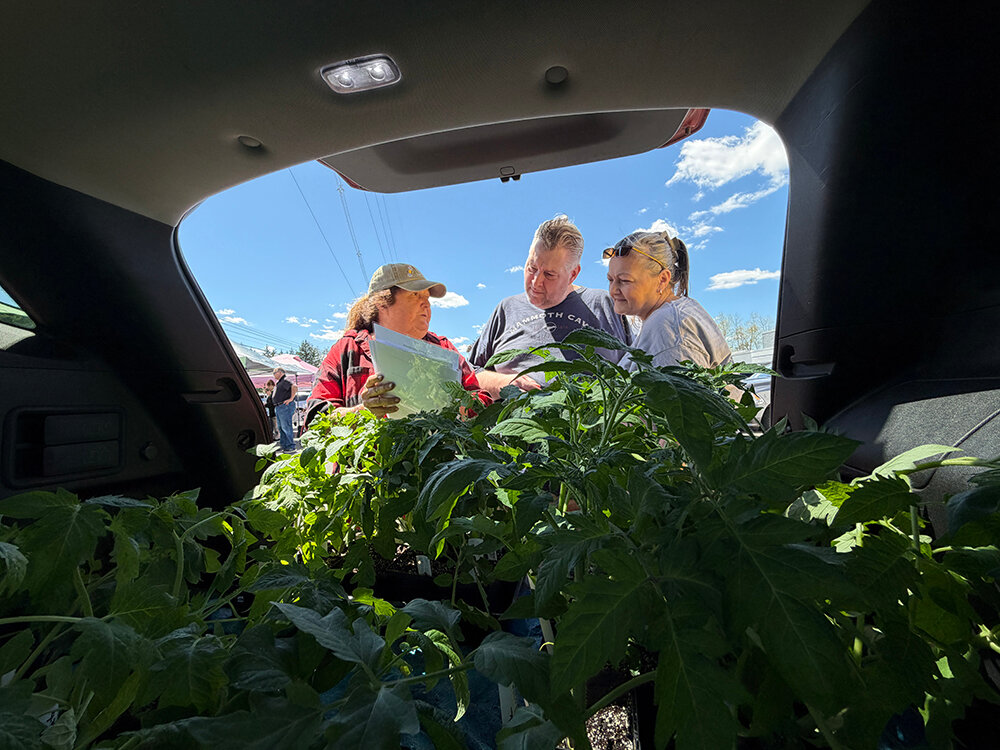
Jean Aldrich-Simmons is passionate about plants.
She loves to talk about the difference between a 70-day and an 85-day tomato and which is best for your garden.
Aldrich-Simmons is a …
Double Up Bucks and other ways to ensure a good haul
Jean Aldrich-Simmons is passionate about plants.
She loves to talk about the difference between a 70-day and an 85-day tomato and which is best for your garden.
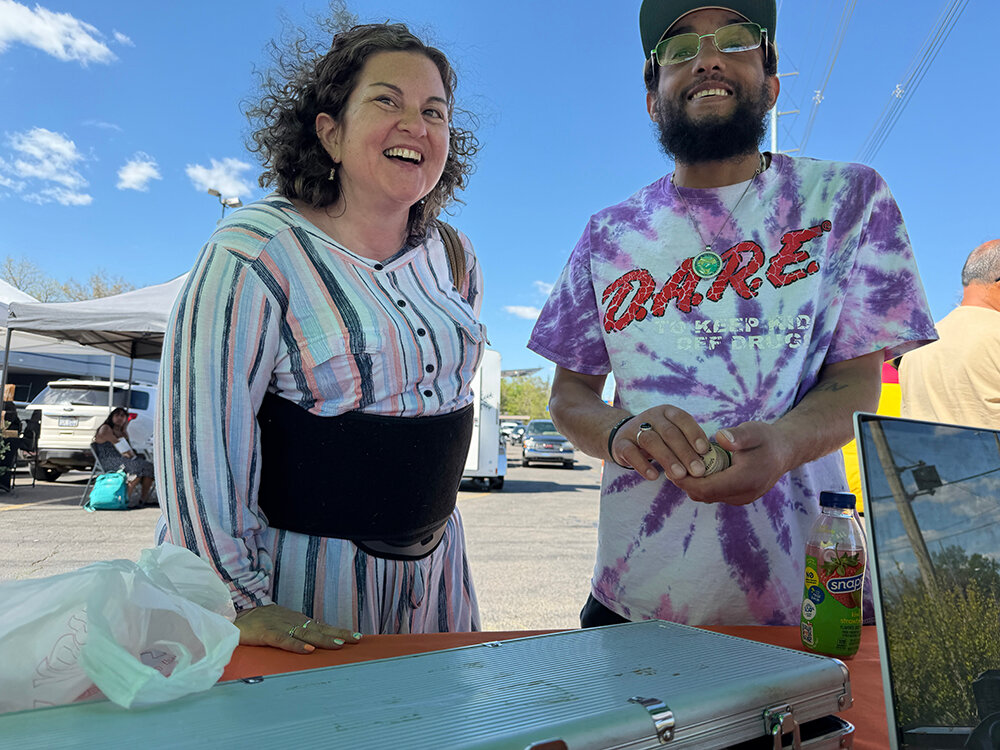
Aldrich-Simmons is a mainstay at the South Lansing Farmers Market, where she begins the season with starter plants like tomatoes and green onions, until the bulk of the harvest is ready for market.
She loves to give plants to kids, who glow with delight. Plus, it’s a way of drumming up repeat customers.
“The kids want to take the plant home, they want to plant it in the dirt, and they want to come back and report their success,” she said.
There’s a good reason to get out to local markets, said Jenny Wagemann, manager of Allen Farmers Market, which has been around for about 22 years.
The food is almost always fresher, it tastes better, it’s usually more nutrient dense, and the shopping experience is better than at a big grocery store, she said.
One of the biggest worries people have about farmers markets is that they don’t offer the best bang for the buck, but that’s not what local research has shown, Wagemann said.
She noted prices are often cheaper at farmers markets, especially when using Double Up Food Bucks and when factoring in the quality of what you’re getting.
People who have Bridge/EBT cards can get up to $50 in dollar-for-dollar matches on fruits and vegetables at participating farmers markets and grocery stores (Kroger, Meijer and Walmart do not participate). Participating local farmers markets include South Lansing, Allen, Meridian Township, East Lansing and Holt.
It’s a great deal, said Kathie Dunbar, who has run the South Lansing Farmers Market for 17 years.
“That’s not a program that every farmers market does, but they should,” Dunbar said. “It gives people food and lets people spend some extra money, especially when they need it.”
On the first day of the 2026 season, Dunbar handed out redeemable coins to attendees, encouraging them to save them for later in the season, when there would be more qualified food, if they could.
The Double Up bucks stay good for later in the year, Wagemann noted.
“You can save them for strawberry and tomato season,” she said.
Shipping from the market
Farmers markets are seeing a big change this year, making it easier for vendors to reach patrons after they leave: Michigan’s Cottage Food Law now allows vendors to ship food around the state.
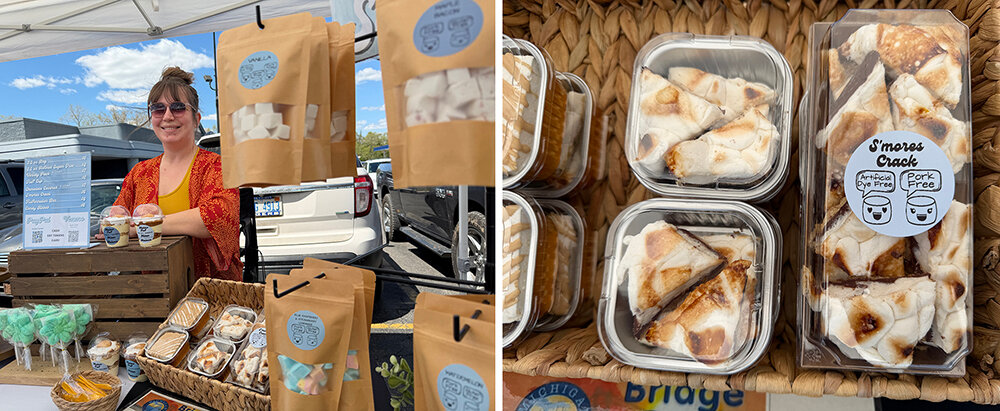
Alysha Cowles’ “s’mores crack” is her best seller. Inspired by social media, she started selling handmade marshmallows at a craft show in Dimondale.
They were a hit.
Her latest flavor is a Mountain Dew Baja Blast marshmallow, in an appropriate shade of neon green.
You can find her marshmallows at the South Lansing Farmer’s Market, the Meridian Township Farmers Market, the East Lansing Farmers Market and so on. She’s excited for the update to the Cottage Food Law, which will be a major change for vendors like her.
The future of farmers markets may be more exotic
What really excites Dunbar about the South Lansing Farmers Market is the affiliated farm near Lansing Technical High School. There are about 144 plots between that farm and another property. Farming the land are dozens of immigrants, including many from Myanmar, who grow unique foods that are sold around the state to international markets and restaurants.
Dunbar said getting the farm up and running was a rocky process.
“We cleared two acres of land, moved all the trees, cleared the rocks off and pulled out all the invasive mustard grass,” she said. “I come back the next week, and it’s all back in the middle of the garden. I was humbled. They screwed me? No! They schooled me.”
The “invasive” grass was a desirable ingredient for some of the immigrants, and the rocks were used to make staggered planting, as a sort of mulch and as tiers for drainage.
“They can specialize in some of these more exotic plants, so you don’t have to grow acres and acres,” Dunbar said. The exotic plants can be sold at a premium, and Dunbar hopes that with some cooking demonstrations this summer, they can also can be sold to South Lansing Farmers Market customers, widening their horizons and opening up new opportunities for local urban farmers.