
How Desert Farms Can Survive a Changing Climate?
Farming in desert regions has always been a tough job. The farm-rich Southwest is facing a big threat from extreme heat and a long drought, making growing crops increasingly difficult.
…
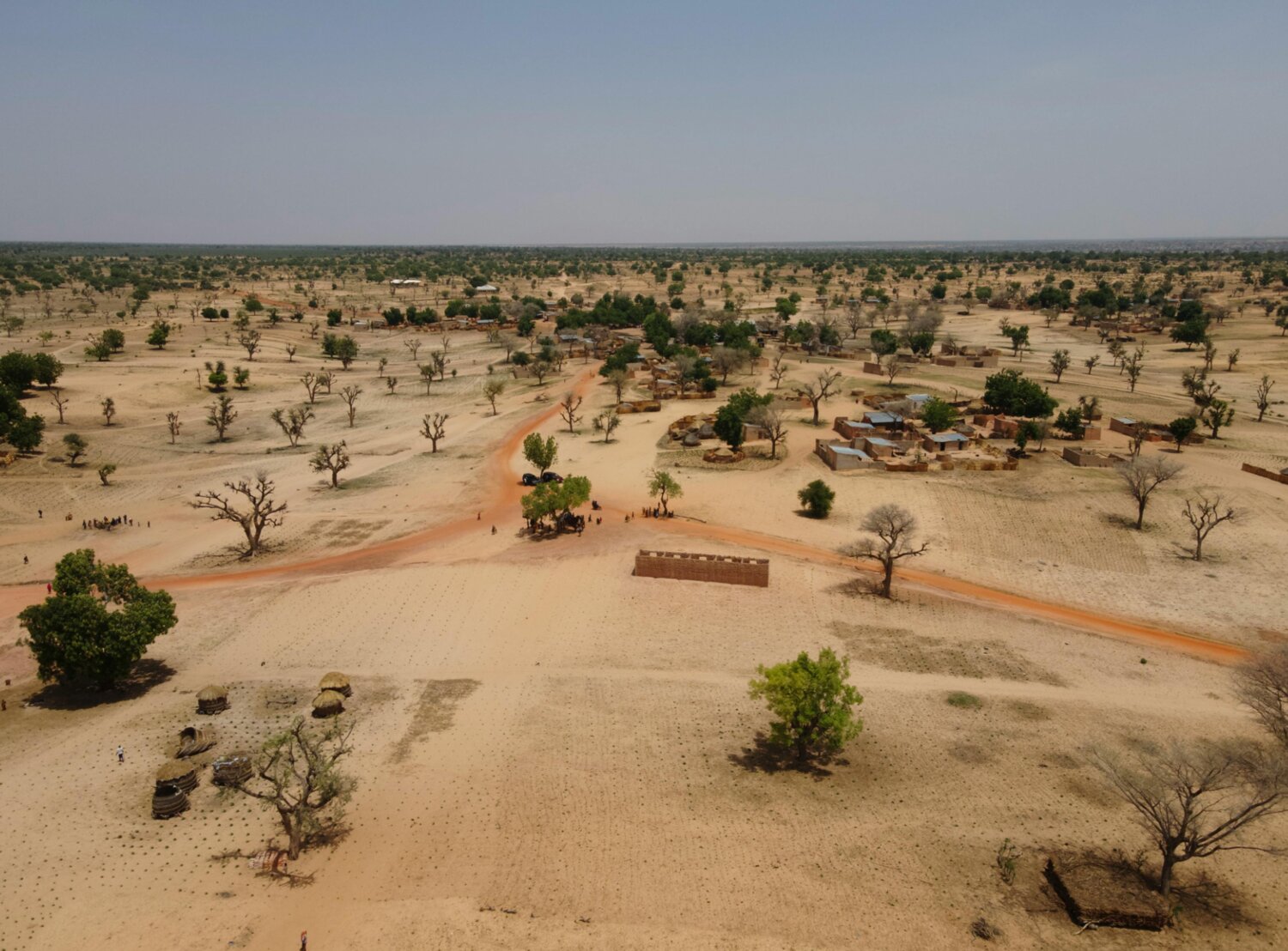
Farming in desert regions has always been a tough job. The farm-rich Southwest is facing a big threat from extreme heat and a long drought, making growing crops increasingly difficult.
Rising temperatures and unpredictable rain patterns are challenging traditional farming methods. Experts even suggest that some arid regions could see a 20% to 50% drop in farm output by 2050 if climate change continues unchecked. Water shortages and poor soil quality also pose significant problems for these regions.
But clever innovations are turning that idea on its head. Farmers are finding smart ways to tackle these hurdles, bringing a lot of hope to desert agriculture.
Here, we’ll share a few innovative approaches that can help desert farms survive a changing climate.
Smart Solutions That Help Keep Desert Farms Alive
Here are smart solutions that are helping farms not just survive, but thrive in tough conditions.
1. Climate-Resilient Crops
These are plants specifically developed to handle tough conditions. They need less water and can survive long dry spells.
Some varieties can even grow well in hot temperatures without losing their productivity. Others are bred to tolerate salty soils, which are quite common in desert environments.
Grains like sorghum and millet, for instance, are incredibly tough and thrive in dry areas. They have deep roots that help them find moisture even when it’s scarce.
Quinoa, an ancient grain, also performs well in poor soils and extreme heat. When it comes to legumes, cowpeas (often called black-eyed peas) grow well in hot, dry conditions. Another great example is tepary beans, a traditional crop of Native American tribes in the Southwest, known for being very drought-tolerant.
Farmers can generate substantial revenue by cultivating high-value, drought-tolerant varieties. Chia, for instance, can yield around 650 pounds per acre, selling for $26.50 per pound. Mexican sour gherkins can bring in up to $20 per pound.
2. Atmospheric Water Harvesting
New opportunities for desert farming are emerging thanks to atmospheric water harvesting technology (AWH).
This technology efficiently extracts clean water from the atmosphere, performing effectively even when the relative humidity is below 20%. Various technologies, such as fog nets, dew collectors, and advanced condensation systems, are used to capture water.
This method is much better for dry places than older cooling-based systems, which struggle in low humidity. The shift from refrigeration-based AWH to desiccant-based technology directly addresses the challenge of low humidity in arid environments. This makes AWH a viable and scalable solution for desert farming.
AWH also helps fight desertification, bringing life back to dry lands. According to Atoco, this technology provides farmers with a resilient and decentralized water supply while ensuring the delivery of high-quality water.
The exciting part is that AWH technologies are advancing and costs are plummeting. This is paving the way for a big shift towards a truly sustainable, decentralized, and environmentally friendly water supply. This is set to fundamentally alter water management in arid U.S. regions.
3. Drip Irrigation
Drip irrigation is an ingenious system that delivers water directly to plant roots, slowly and steadily. It is incredibly efficient, especially when compared to traditional sprinklers, which can lose a lot of water to evaporation. This method saves up to 50% of water compared to older methods like flood irrigation.
The precision of drip irrigation not only saves water, but also dramatically improves nutrient efficiency. Precise nutrient application significantly cuts fertilizer costs and nitrate losses, while also optimizing application timing.
Drip irrigation is far more than just a water-saving technology, however. It acts as a foundational element for a more resilient and environmentally beneficial agricultural system.
Its precise water and nutrient delivery creates a cascading effect, leading to improved soil health, optimized resource use and enhanced crop productivity. It also contributes to climate change mitigation through carbon sequestration. This holistic impact makes it an indispensable tool for sustainable desert farming.
Examples of Success
Across the U.S. and around the world, farms are showing how these solutions truly work.
Farmers like the Jobmans in Nebraska have seen amazing results. They reduced pumping costs by 40% and water usage by 39%, while increasing yields by 19% and revenue by 25% by switching to drip irrigation.
Israel has done incredible work turning the dry land into green forests in the Negev Desert. It used smart methods like drip irrigation, besides other desert farming techniques. This creates thriving ecosystems.
China has also been making huge efforts, especially by planting trees in areas like the Kubuqi Desert. This turns vast areas green.
The takeaway? Desert farms certainly face significant challenges from a changing climate, including extreme heat, prolonged droughts, and water scarcity. But the ingenuity of farmers and the rapid development of new technologies are painting a hopeful picture for the future of agriculture in these arid regions.
These innovations are helping farmers adapt to tougher conditions and keep growing food in even the hottest, driest places.
As costs decrease and technologies integrate, desert agriculture will become even more sustainable. The future points to a resilient and productive farming landscape, even in the driest regions.
Author

Related Articles

Jokaroom VIP: a straight-talking look for Aussie players
players
Start at Jokaviproom to find new experiences and get moving. Prefer a quick taste before you commit? Try pokies like Elvis Frog in Vegas or Aztec Magic Bonanza to see the pace and …

AI without illusions: How the role of artificial intelligence in business is transforming in 2026
A few years ago, artificial intelligence (AI) seemed like something abstract, futuristic, accessible only to large corporations with gigantic budgets. However, by 2026, AI is turning into a tool for …

Pick a mascot, pick your pace
Jump into 5Gringos Casino . New punters at this 5Gringos online Casino can choose a straightforward starter match with a handful of free spins—easy to understand, handy if you want a quick try. …