Ingham County environmental commission calls for data center transparency
An Ingham County commission passed a resolution last week urging a Lansing utility to create more long-term regulations on proposed data centers.
The call comes as …
Calls come as city considers controversial, sustainability-focused data center
TUESDAY, NOV. 21 — An Ingham County commission passed a resolution last week urging a Lansing utility to create more long-term regulations on proposed data centers.
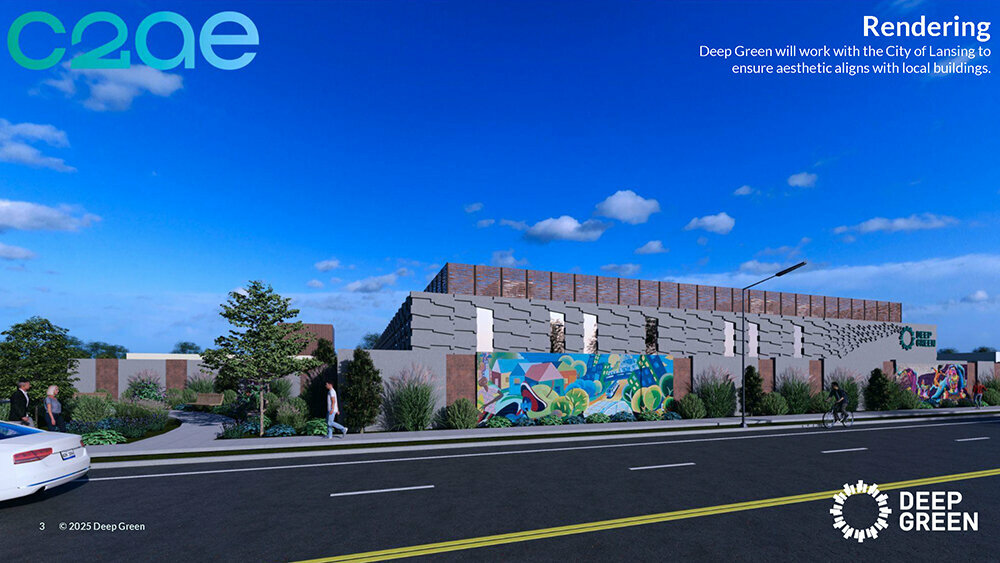
The call comes as Lansing considers a proposed data center near the stadium district. The 24-megawatt center, proposed by UK data center builders Deep Green, was developed in collaboration with the Lansing Board of Water and Light and the center’s heat would go to BWL customers downtown.
Michigan Public Service Commission also approved regulations earlier this month proposed by Consumers Energy and designed to safeguard Consumers customers from picking up the costs of huge data centers.
Data centers have proliferated in recent years as the artificial intelligence technologies they power grow in popularity. But those buildings full of whirring racks of computers draw significant electricity and produce significant heat, create noise and use varying amounts of water depending on the cooling method.
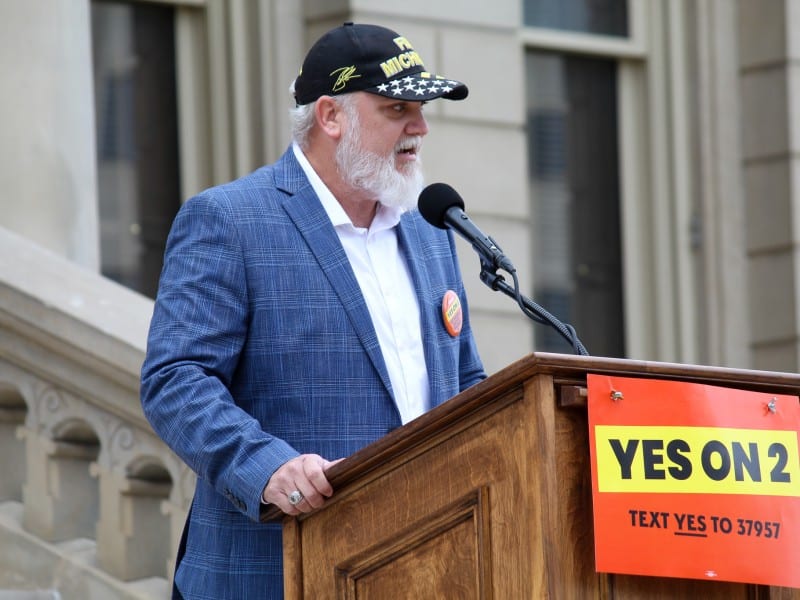
“Given the current landscape of AI and the data center boom, we expect that more of these developments are coming,” said Chris Trubac, chair of the Ingham County Environmental Affairs Commission and vice chair of the county’s Board of Commissioners. “So I think this first project is likely precedent-setting for how these developments will be considered in the future.”
The resolution specifically asks the BWL, city of Lansing and other local governments and electric utilities to make public detailed plans demonstrating how any data centers’ electricity demands will not interfere with electricity costs or Michigan’s clean energy goals.
The AI boom has pushed U.S. energy use to record highs, and some have expressed concern that the increased energy demands will jeopardize clean energy goals.
Trubac said he is worried the project could raise power costs for residents, and said he is particularly worried a lack of regulation could help deplete Lansing’s groundwater.
“Lansing is one of the largest cities in the nation to rely exclusively on groundwater, which can be drawn down pretty rapidly without proper management,” he said.
The resolution is not binding, but it does follow citizen opposition to the Deep Green project. After news broke on Wednesday, Nov. 5, about the proposal, around 40 people came to a Planning and Development commission meeting that same night to oppose the data center. Then, in mid-November, BWL commissioners removed a proposal from its agenda that would have given BWL General Manager Dick Peffley the power to give final approval on data center contracts.
Deep Green has said their project is about as eco-friendly as a data center could be — donating excess heat to the BWL and having more efficient power usage than average data centers.
The BWL said in a statement that it “has consistently held that no new customer contracts, regardless of business type, will drive rate increases for current customers,” and that any future rate will follow a normal public rate hearing process, including public comment.
The resolution also mentions the proposed 1.4-gigawatt data center proposed by DTE Energy in Saline Township, referencing state Attorney General Dana Nessel’s “strong concerns” that the project could increase costs and jeopardize Michigan clean energy standards.
That project would draw nearly 60 times the load of the Deep Green project, but Trubac’s resolution says local projects warrant “a similar level of review and transparency” as projects such as the DTE Energy project, because BWL’s smaller customer base means any miscalculations or unfulfilled projects could directly impact customers.
It additionally says regulation of data centers should include zoning districts, restrictions on distance from locations such as schools and transit stations, limitations on noise and disclosure of anticipated energy and water use, among others.
Trubac said it felt like key decisions had already been made when the BWL and Deep Green announced the project at a Nov. 3 news conference, sparking concerns from the commission.
“It seems like the wheels are turning pretty quickly on the whole thing,” he said. “And for a municipal utility like the BWL, ultimately, its power comes from the people.
“If we don’t give people an avenue to feel like they have a seat at the table, understandably, you’re gonna have people who are alarmed when a project like this is announced with all the ‘i’s dotted and the ‘t’s crossed.”
The commission is also urging the Ingham County Board of Commissioners, of which Trubac is vice chairperson, to adopt the resolution. That board meets tonight at 6:30 p.m.
Trubac stressed that the data center project could be “incredibly beneficial” but also harmful, depending on factors he does not yet know — where will the power come from, for instance, and will the water use really be negligible?
“I felt it was important that we set a statement of intent and kind of lay out, what are the questions that we need answers to before we start welcoming these developers in our community?” he said.