
On Mexican cuisine: ‘Without corn, there is no country’
Growing up here in Lansing, one of the things I looked forward to coming home from school were the homemade flour tortillas my mother would make. They were warm, and we would heap butter, potatoes …
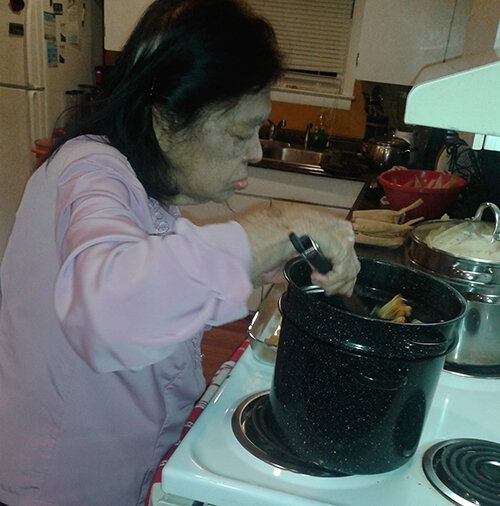
Growing up here in Lansing, one of the things I looked forward to coming home from school were the homemade flour tortillas my mother would make. They were warm, and we would heap butter, potatoes mixed with eggs, beans or whatever we were having at the time on them.
Another family favorite was fideo, which means noodle or a pasta. It is made with chicken broth, pork or chicken, bell pepper, diced tomato, garlic, cumin and salt to taste. We would have that with fresh beans and, again, flour or corn tortillas. We preferred the flour since my mother made them from scratch.
My parents came from Texas from predominately Mexican American communities, speaking mostly Spanish and preparing all kinds of Mexican food but other foods as well. It wasn’t until my mother had gotten older that I began to cook. I would watch my mother make enchiladas, tacos, tostadas, carne guisada, mole, frioles/beans, arroz/rice, salsa, taquitos and more. I had her teach me to make all of that exactly how she did. As we grew up, my brothers and sisters and I became very particular about how the Mexican food we were accustomed to was made. Most of the families I grew up with were involved in the original Cristo Rey Church, the Mexican Patriotic Committee, Cristo Rey Community Center and also the Mexican American baseball team, Los Cardinales. We would end up at either the Villarreals’ house, or the Hernandezes’ or Montalvos’. All of the mothers were excellent cooks.
One day, my family and I were celebrating a birthday or a holiday, and I prepared the dinner. It was mole, rice and beans with corn tortillas. After all was said and done, my older brother JR. got up went to the kitchen and started opening cupboards, doors etc., and I asked him what he was looking for. He wanted to know if I had had the dinner catered. That meant I had arrived. My food was as close to my mother’s as I was going to get.

The diversity of Mexican cuisine is expansive. A taco made in one state, region, city or neighborhood is made somewhat differently based simple on traditions. Of course, the taco today in the United States is as American as apple pie. After all, we do have taco Tuesday. The corn tortilla was the primary base of foods. The cultivation of corn goes back 6,500 years to the Maya. Also cultivated were tomato, squash, beans, vanilla and cacao (chocolate). The corn tortilla remains an important element of Mexican cuisine. Here is a saying from Mexico: “Sin maiz, no hay pais.” (The headline translates.)
The ancient tamal, which dates to Mexico’s pre-Columbian civilization, is an art form. As an artist creates a painting, a poem, a sculpture, or a dancer creates choreography, I feel the same way about the making, preparing and cooking of tamales. My very good friend Lupe Castillo, born and raised in Michigan, is well recognized as one of the best tamale makers in Lansing. This is not to say that others in Lansing who make them are not up to her standard; I am sure they are. What is crucial in making of tamale is the masa, which is corn that has been cooked in a lime water solution. Lupe does not use chili powder, she uses chili ancho, giving it a richer flavor. Three important cooking utensils during the Mesoamerican era are the metate, comal and molcajete. They are made from stone.
Lupe would watch her sister as a young lady make tamales for a church fundraiser. According to Lupe, her sister made the best tamales. Eventually Lupe would experiment in making tamales. For example, using just the right amount of lard, or “manteca” in Spanish, or using the actual chili ancho and not chili powder. Ultimately, she perfected her masa, and the meat she uses today is what I consider art in the making of a tamal. Lupe sells her tamales to hundreds of people in Lansing and the surrounding area.
For those who love to cook and, in this case, Mexican, do not be afraid to experiment, to create something different. Use a different pepper, add more garlic or cumin. Try making your own sauces and see what you come up with. Use a spice you never used, be imaginative, you will love the result.
Mexican cuisine has played an important role of influencing not only the eating habits of Americans but also people all over the world. United Nations Educational Scientific & Cultural Organization, or UNESCO, in 2023 defined Mexican cuisine as a world cultural heritage.
Mexican cuisine as we understand it originated from culinary traditions of the indigenous of Mexico such as the Aztec, Mayan Olmeca, Tolteca — in short Mesoamerica. It is the fusion of Mesoamerican food, techniques, combined with culinary techniques of the Spanish and ingredients from Africa, influenced by the enslaved Africans, such as rice, plaintain, coffee, tamarind, jaimica etc. Mexico has 31 states, and from state to state, food is made differently.
Mexican food is culture, is history ancient and modern. It brings families together, brings community together. Mexican cuisine is made with love, pride and a shared heritage for all.
(Lorenzo Lopez is an activist in the Hispanic and LGBTQ+ communities in Lansing.)
Related Articles
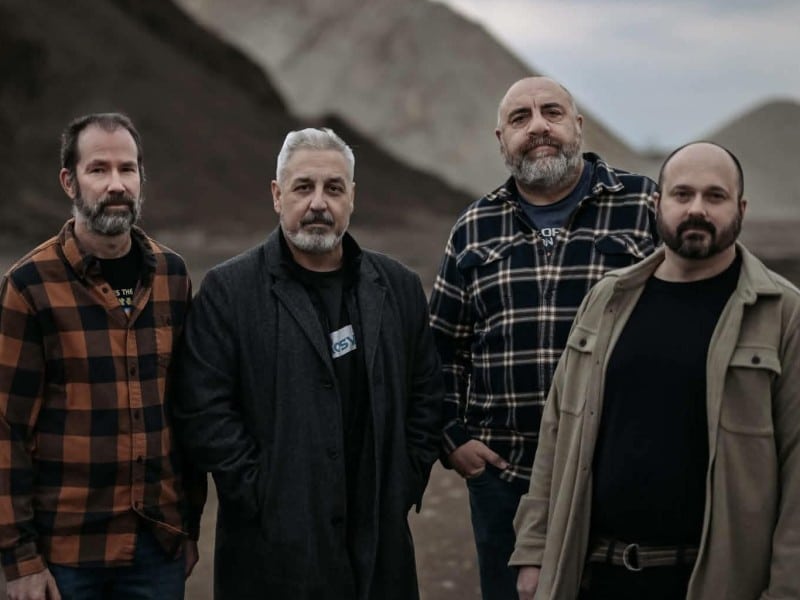
A roundup of recent Lansing-area music news
From Big Sur releases new album, Starfarm’s Whitney Who has a new group and Displaced Manor finds a new home
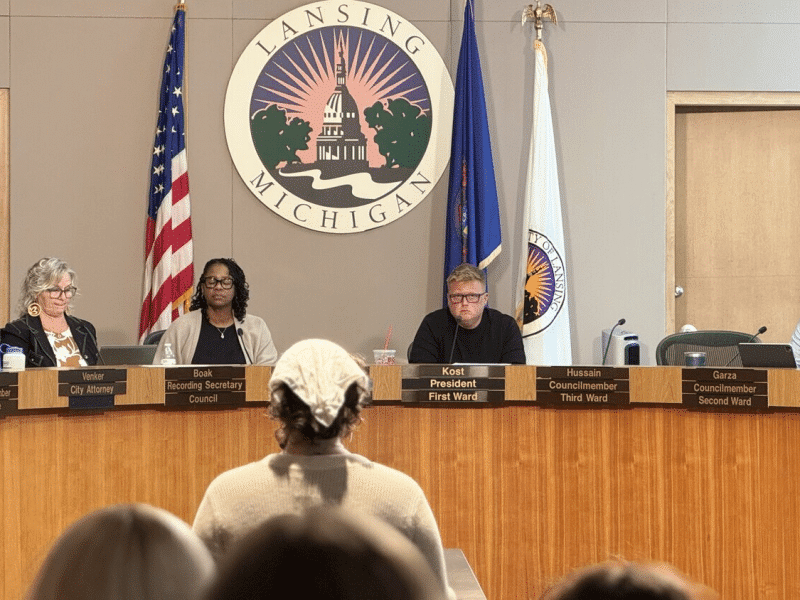
Ten touchstones in local LGBTQ+ history
In 1971, gay activists in East Lansing demanded protections in the city government’s hiring process from their City Council. They came, they fought, and they won: East Lansing’s early 1972 civil rights ordinance was the first of its kind in the country.