Put your records on: Accessibility and convenience are generational buzzwords, ‘kids these days’ are finding joy in the tedious
Like everything else, the internet changed the music business.
First, it was Napster and iTunes. Pandora and YouTube came later, followed by Spotify, Tidal and Apple Music.
Add smartphones to the mix, and the hassle of physical media seems unnecessary when on-demand streaming is available.
However, that attitude appears to be shifting.
“In the last, I would say, four years, CD sales are through the roof,” Clint Harkness, a longtime employee at Flat, Black & Circular, said.
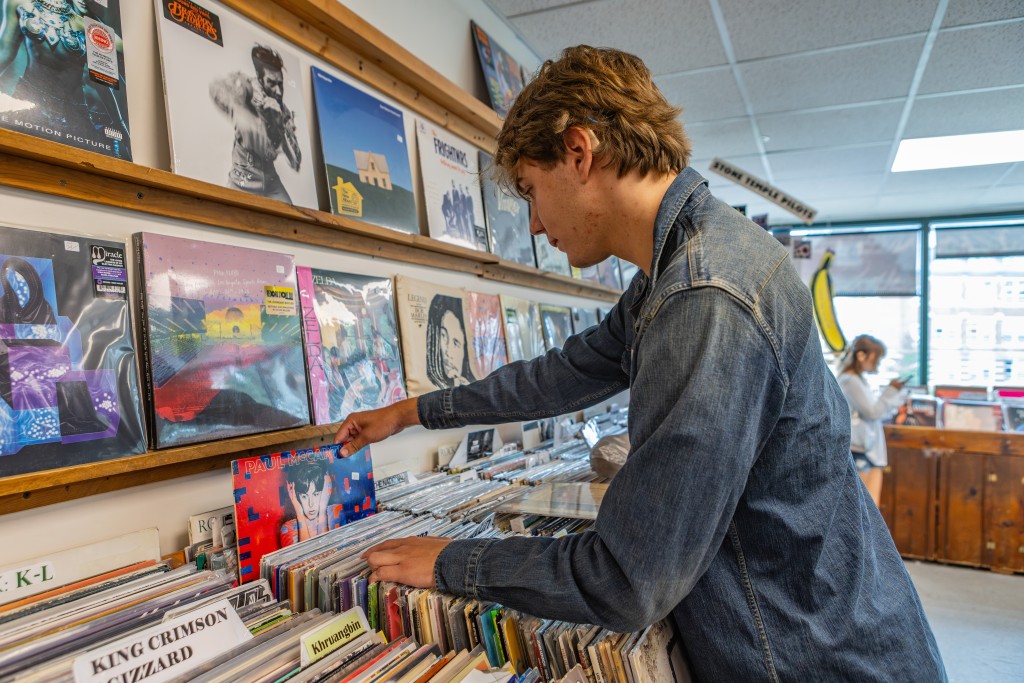
Located off Grand River Avenue in East Lansing, FBC buys and sells new and used vinyl records, CDs and videos.
The impact of music streaming wasn’t lost on FBC.
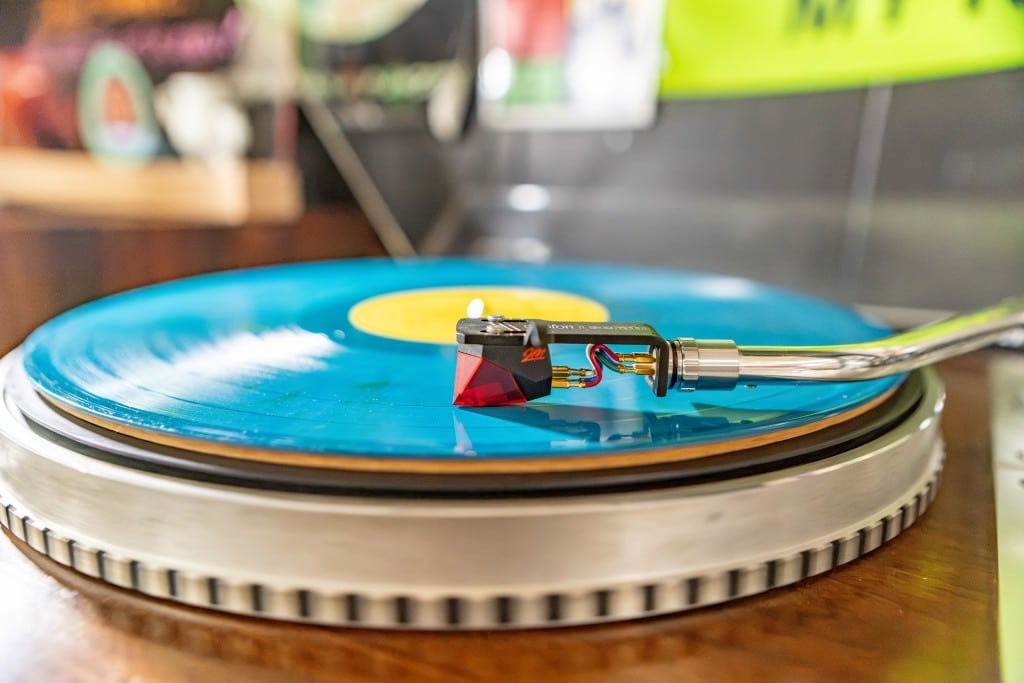
Owner Jon Howard began working there in the late 1980s. The fear that vinyl would decline in popularity was something the team discussed even in the early days.
“We were just going to make the store a bit smaller and keep on going until things changed,” Howard said. “But we stuck with it.”
The shop rode the wave of on-demand music streaming and will celebrate its 50th anniversary next year.
Vinyl is forever, but CDs?
Heather Frarey said she never wanted to get into selling CDs.
Frarey owns The Record Lounge inside REO Town Marketplace. Opened in 2008, the store was located off Division Street until 2017. Frarey felt the need to move because rent was rising and many of her customers left town over the summer.
“But it got me started, and once I moved here, it just kind of blew up,” she said.
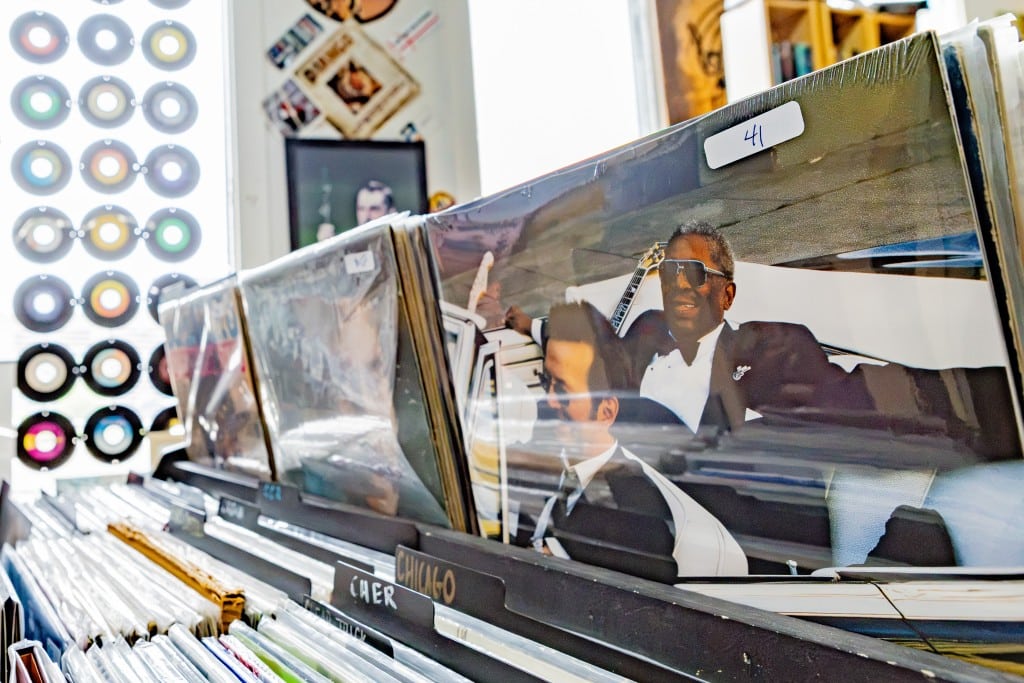
While The Record Lounge doesn’t have nearly as long a history as FBC, Frarey’s experience with buying and selling physical media is similar.
When The Record Lounge opened, there weren’t many options for buying vinyl wholesale.
“You had to go through really small (distributors),” Frarey said, “and they only had a certain genre.”
Fast forward to today, and the price of wholesale vinyl is almost double.
“You kind of start thinking, ‘When is enough enough?’” Frarey said.
She knew that CDs were regaining popularity but held off because she wanted to set herself apart from FBC, “where they’ve done it forever.”
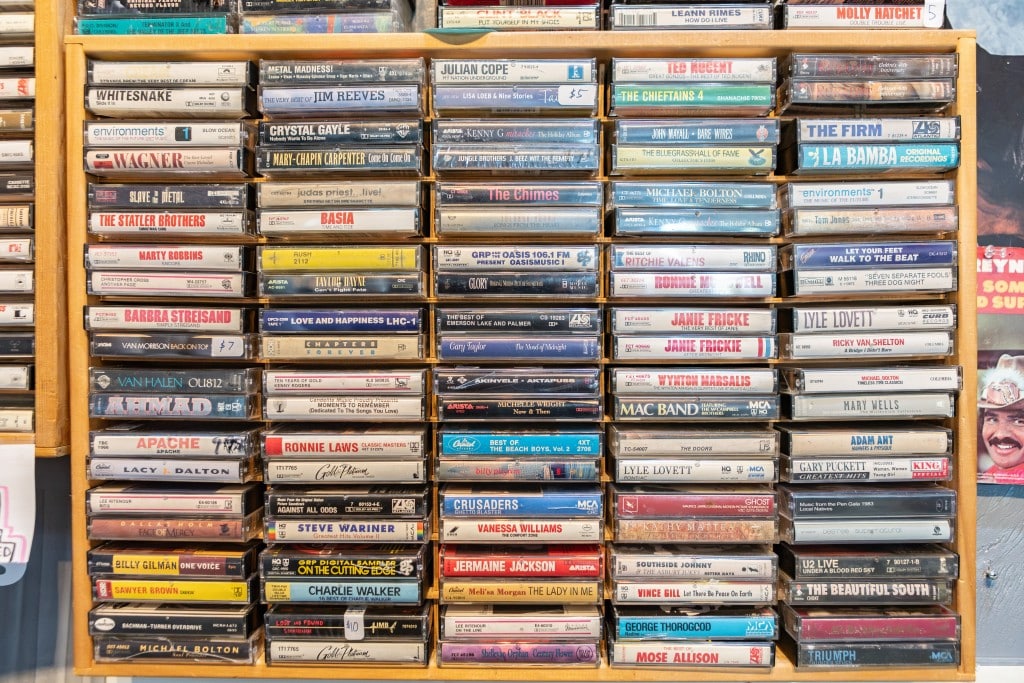
The store recently announced via social media it would start buying and selling used CDs.
It was two of Frarey’s employees, both teenagers, who convinced her to do so.
“I was very reluctant, but hey, people are asking for it,” she said.
CDs are significantly cheaper to produce than vinyl, and for young adults and teenagers, the price tag can be persuasive.
“It’s like, I can buy a stack of CDs for 30 bucks, or I can buy one record,” Harkness said.
Having worked in music retail for a while, Harkness saw how streaming changed CD sales.
“CDs still sold pretty decently until about 2010, but even then, they didn’t sell as much,” he said. “We can’t keep things in stock that, four or five years ago, would always be in stock here.”
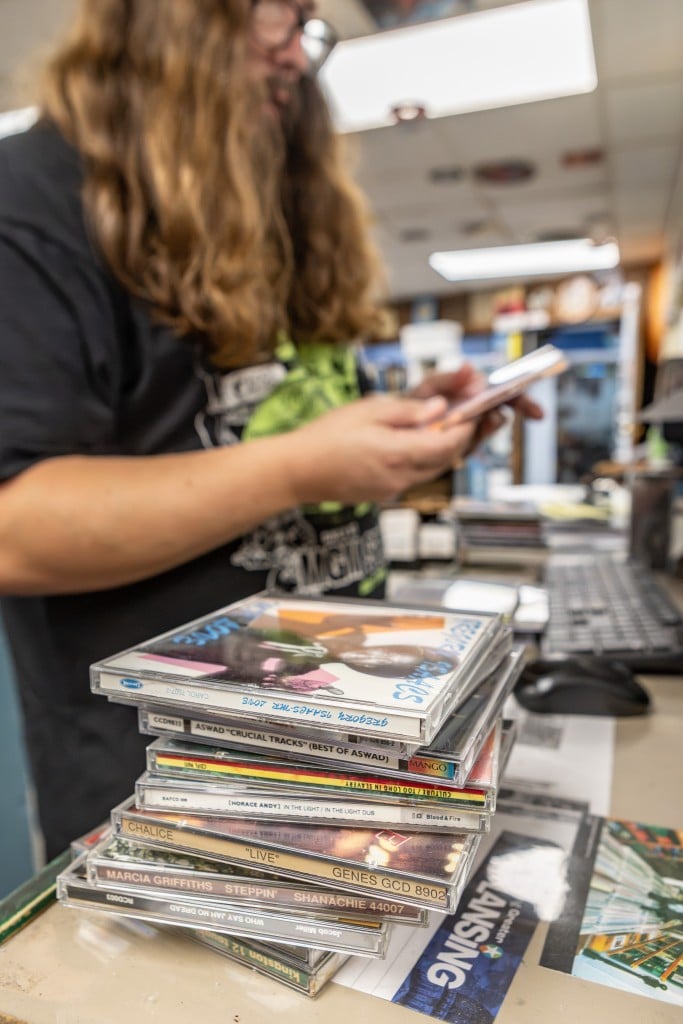
Howard said the round-and-round has been going on since the ‘90s.
“CDs were gigantic, and then vinyl. Then when streaming came, everybody dumped their vinyl thinking it was going to be all CDs and digital, and then people got back into vinyl,” he said. “And now younger people are getting back into CDs, which we did not see coming.”
FBC store took the biggest hit with file sharing. Howard said customers didn’t feel the need to make space for physical media. But, according to him, people figured out that showing off a list of songs on an MP3 player wasn’t nearly as satisfying as having stacks of CDs.
“There’s no art to it,” he said. “Since then, there have been little bits of more interest in physical (music), and now it’s back big time.”
Own what you pay for
A self-described “middle millennial guy,” Harkness has always preferred physical media. Even when people could buy songs on iTunes, Harkness opted for buying the CD.
“Then you could actually own it,” he said.
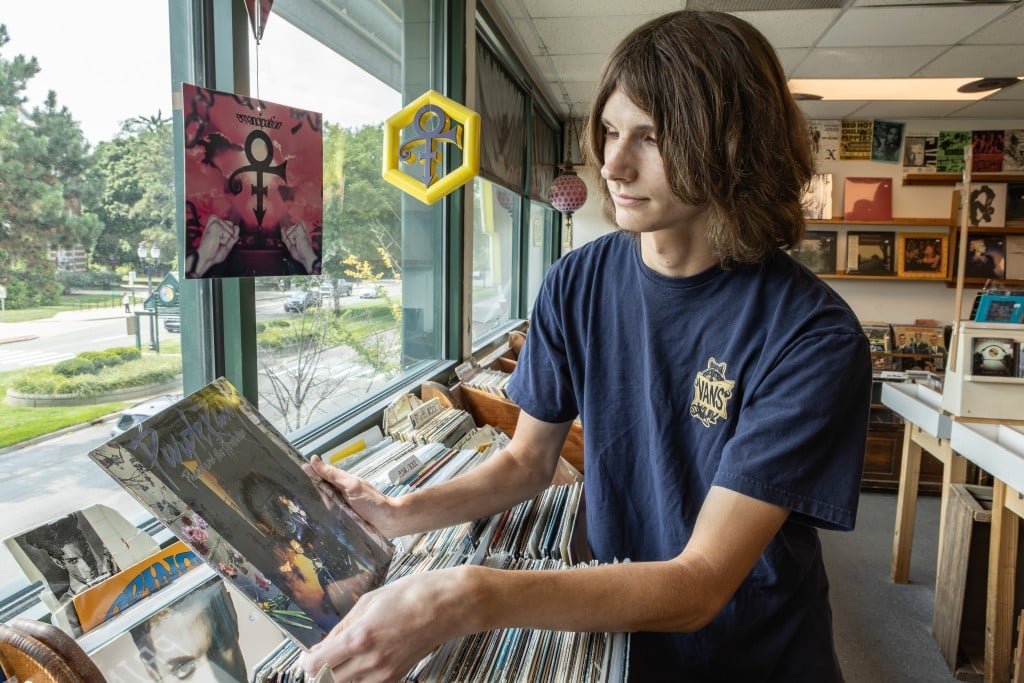
Young adults walking in the door at FBC want that same out-of-the-cloud ownership, he said.
“They realize they like the idea of actually owning something, especially with Spotify,” he said. “Things disappear because of licensing or rights, or certain artists just don’t want to have their stuff streaming.”
Music streaming services allow listeners to preview an album before purchasing. Harkness said he uses this as a research tool, but it doesn’t quite match the artistry of the physical item.
“There’s nothing better than old school,” he said. “You know, flipping through, reading the liner notes.”
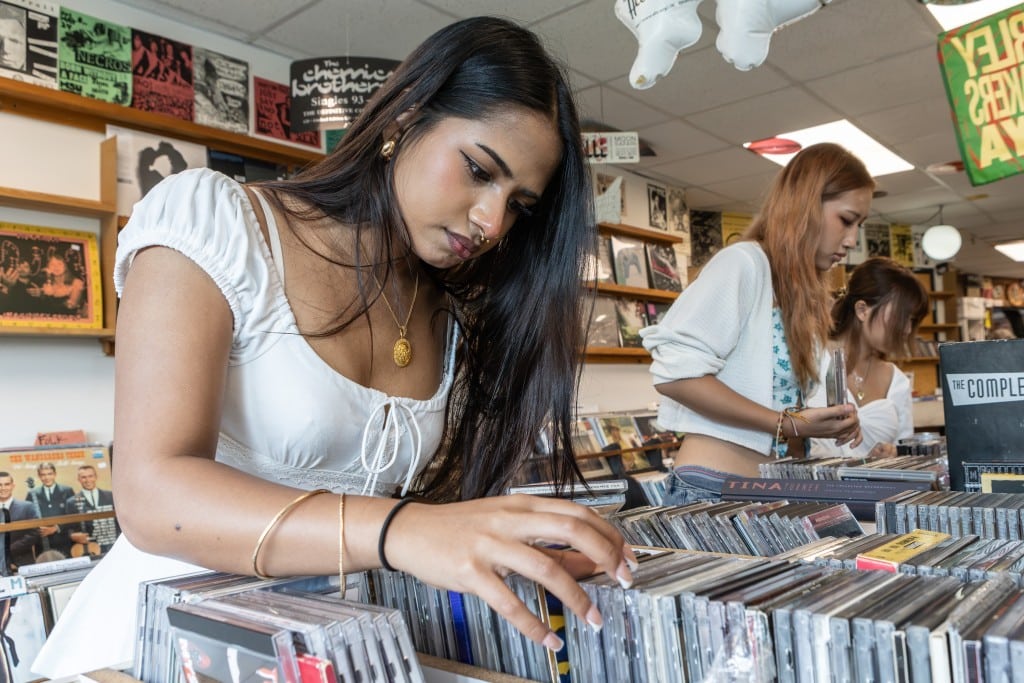
The design of a CD case or a vinyl sleeve is intentional, meant to pull in potential listeners.
“It’s a beautiful part of history,” Frarey said. “I would hate for people to just throw this stuff away and then it’s gone forever.”
Frarey, Harkness and Howard all agree that buying the physical recording is a surefire way of hearing a piece of music as one remembers it.
“No one’s ever going to take that away from you, erase it, and it’s not going to get corrupted,” Howard said.
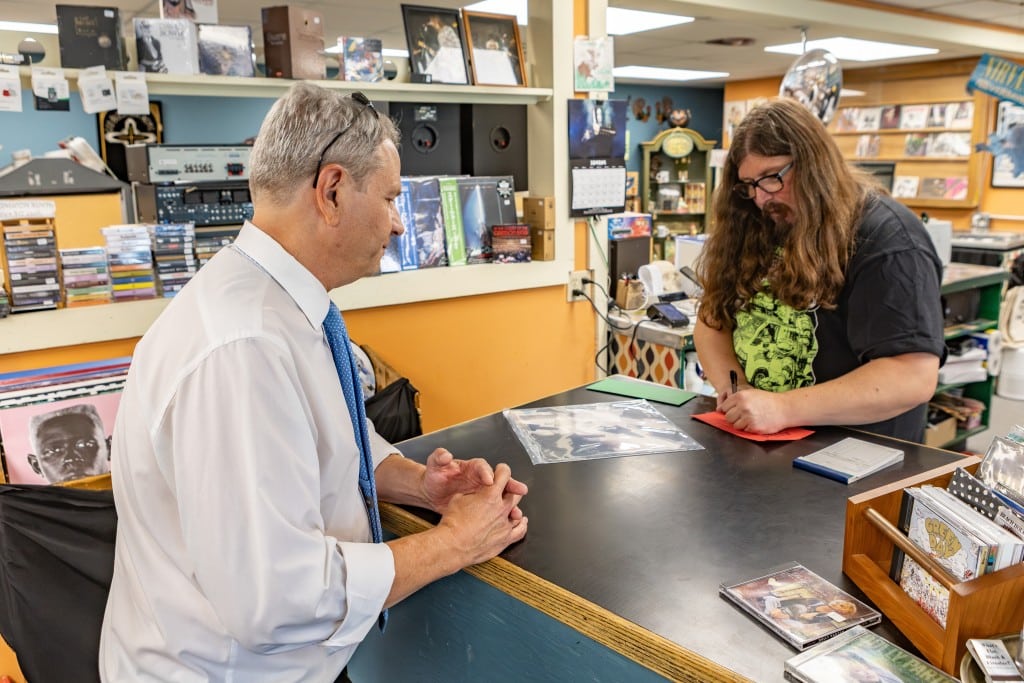
While streaming music can be convenient, especially if you don’t have the equipment needed to play physical recordings, Frarey said streaming changes the experience because of the compression involved with digital files.
“You’re not getting the full range that you would possibly get on a CD and for sure on vinyl,” she said.
It’s that damn phone
Sally Craig, a senior at MSU, is part of a generation that grew up with streaming baked into their media consumption.
“I can’t think of how many things that I watched on Netflix when I was 15 that I can’t find anymore,” she said.
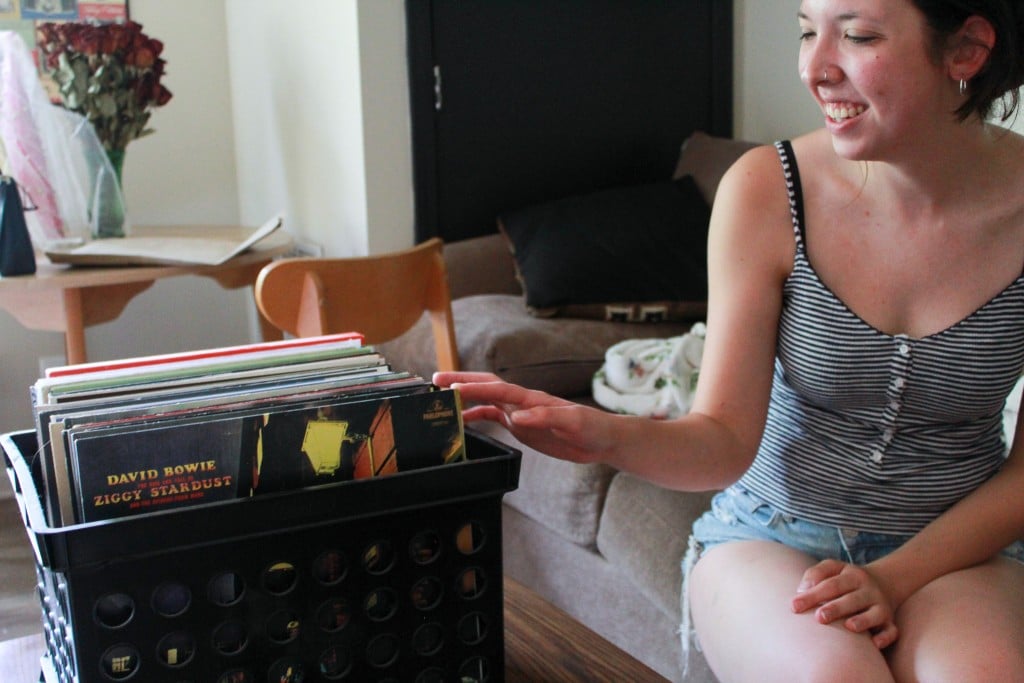
Craig is the president of Needle & Groove, a club at MSU dedicated to physical media.
“My dream is to have a room filled with all my records, like ‘High Fidelity,’ where every bit of his apartment has records,” she said.
Last school year, Needle & Groove hosted a CD-burning party, which Craig said pulled in a lot of interest.
The event took a couple of hours because she had to explain the process of burning a CD, but overall feedback was positive.
“They were like, ‘I’m going to play this in my car, I’m so excited,’” Craig said. “I think a lot of people have older cars with CD players, and usually those MP3 attachments are kind of a bad quality.”
Craig recently got a new car. It doesn’t have a CD player.
“I was devastated,” she said. “Why do I have an iPad?”
She said she’s seeing more of her peers trying to limit their screen time and opting to put screens away.
“I’ve seen a lot more people go back to writing their notes with pencil and paper instead of their laptops, just because it’s so in your face 24/7,” she said.
Craving that inconvenience
Needle & Groove offers students a chance to slow down and take a step back from being online, as well as a third space to connect with others.
“I think the biggest thing is people feel like there’s a lack of community,” Craig said. “Life feels so accelerated when you’re online, and so I think people are craving that inconvenience.”
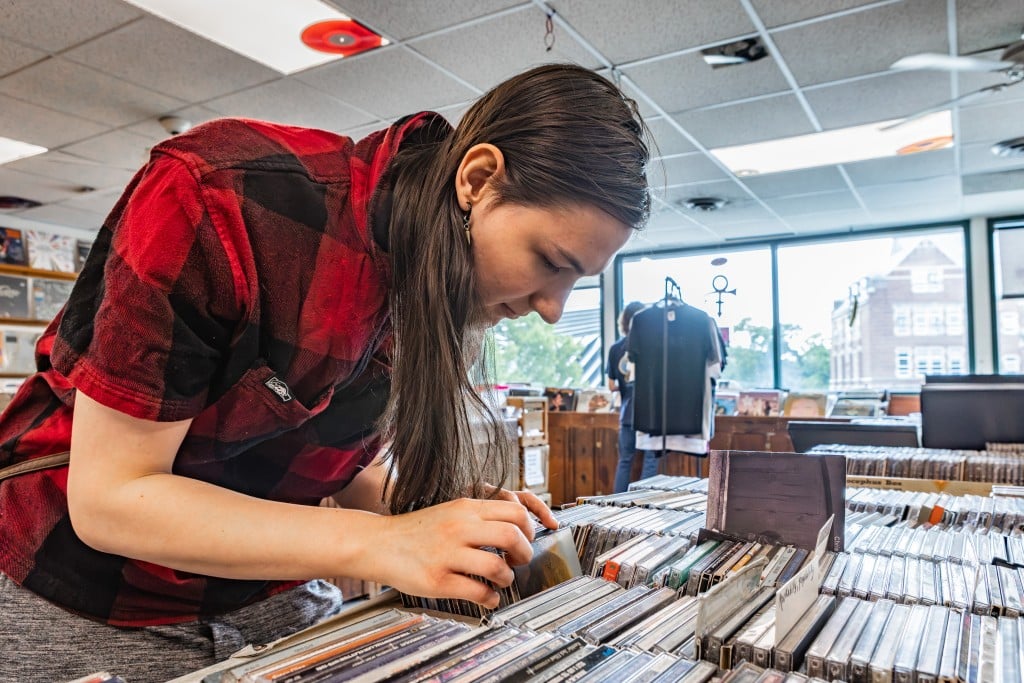
The club is rebranding this year and expanding beyond music to all types of physical media, including comic books and manga.
“I just really like the tactile experience of holding something that you’re interested in,” Vice President Drew Fris said. “In this digital age where everything’s streaming, it’s kind of cool to have something physical.”
Fris is a junior studying hospitality business. He echoed Craig, saying that young adults are experiencing a lack of community. The increased connection that the digital world promised is falling short.
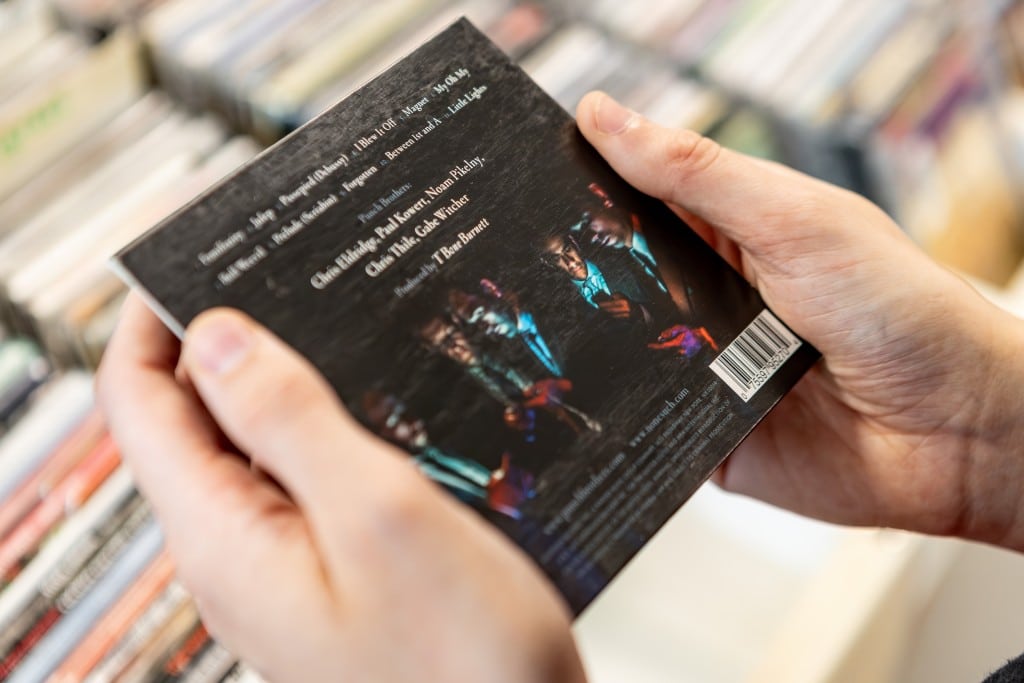
After graduation, Fris wants to open a record bar. The concept is exactly what the name implies: Patrons can enjoy a drink while listening to a record.
Fris said inspiration comes from Japan, where listening bars are popular socializing hubs.
“It’s just a nice environment for people to get to know each other and discover something new,” he said.
Craig said simply showing off a music collection can forge new connections.
“Whenever somebody comes to my room for the first time, the first place they go is to all my records,” she said. “So, I think it’s just a really great way not only for you to enjoy your music, but also to build community with people.”
In complete young adult fashion, the newest generation of adults is rejecting the norm. They’re opting for the inconvenient, even when it defies common sense.
It probably seems silly to those who grew up detangling wires and remembering to replace the batteries in a Walkman. It’s convenient when everything is streamed.
But older generations also remember the sound of rewinding a VHS tape, the “coming soon to theaters” previews on a DVD or flipping through a stack of CDs and trying to decide what to play.
Those little details make physical media appealing to a generation that never knew a world without the internet. Young adults understand what it feels like to have everything available instantly — and how quickly that can feel overwhelming.
The appeal, then, isn’t necessarily about going backward. It’s about finding something that was lost along the way. Maybe choosing a record requires a bit more effort than scrolling through Spotify, but in a world designed to make everything faster and easier, maybe inconvenience is the point.