
Reclaiming country music’s Black history
When you think about country music, you think white. But Alice Randall moved to Nashville in 1983 as a young Black songwriter fresh from Harvard to change that dynamic.
“For 20 years, I …
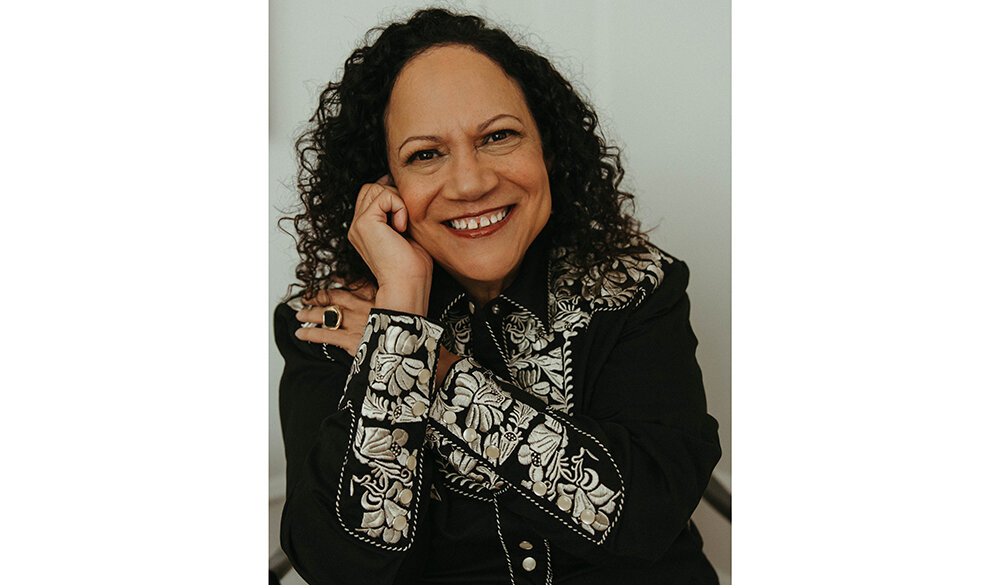
When you think about country music, you think white. But Alice Randall moved to Nashville in 1983 as a young Black songwriter fresh from Harvard to change that dynamic.
“For 20 years, I lived in Nashville working with mainstream white artists like Johnny Cash, Reba McEntire, Trisha Yearwood and Glen Campbell,” Randall said.
Her 1994 song “XXX’s and OOO’s,” sung by Yearwood, was country’s first No. 1 hit co-written by a Black woman.
Following that milestone, Randall quit writing country music and began moving in different directions.
“In 2018, I was diagnosed with breast cancer, and I figured if I only had a short time to live, I wanted to tell the story of Detroit as an art and music center and to tell people about Black people in country music. I thought I was staring at the gun barrel of fate,” she said.
Randall, who recovered from her illness, accomplished the first goal with her book “Black Bottom Saints,” a fictionalized life of Ziggy Johnson. A Detroit legend in the arts and music industry, Johnson helped lead Detroit’s own Harlem-type renaissance.
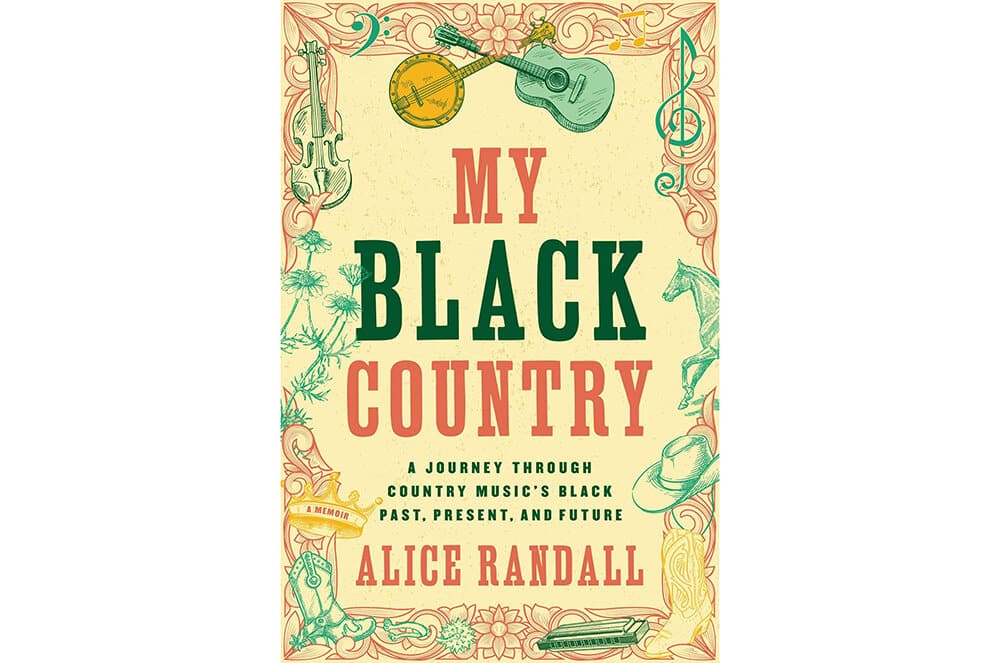
Now with the publication of her new book, “My Black Country: A Journey Through Country Music’s Black Past, Present, and Future,” and an accompanying album of the same name, Randall is well into achieving her second goal of reclaiming the Black history of country music, which she says has been “whitewashed.”
Randall, 66, who was among the first women admitted to Harvard, is a professor at Vanderbilt University in Nashville. Her classes include one on Black country music.
Along her journey, she’s done some remarkable things to achieve her goals. They include what she called “breaking into the house” of the megastar Quincy Jones to pitch him on a movie.
As she relates the story in her new book, a friend told her he can arrange a meeting with Jones. But when she arrived at the Los Angeles airport, she learned he could only get her into Jones’ house because he knew the guard. There was no meeting scheduled, and she was on her own once she was in the house.
Her story of meeting Jones and talking him into partnering to produce a documentary short is a feat of literary bravado. The 2007 film told the story of Detroit native Herb Jeffries, a singer who starred in several “race” westerns in the 1930s. Randall is working on a one-man play about Jeffries, with plans to have it open in Detroit.
Much of Randall’s inspiration for her quest to discover the roots of Black country came from Detroit, also her hometown, where growing up she heard stories of Black country from her father.
It makes sense. Detroit was the home of thousands of Southern transplants who came there during the Great Migration. “Of course they listened to country music. I’ve been documenting the gossip I was told. It meant so much to me,” she said.
She pointed out that “Charlie Pride came out as Black at a concert in Detroit.”
Many Detroiters had cottages in the Up North community of Idlewild. It attracted many Black performers, including Louie Armstrong and his second wife, Lil Harden, who was known as the mother of Black country. Hardin made country music history in 1930 by playing piano on the song “Blue Yodel #9,” written and recorded by Jimmy Rodgers (accompanied by Armstrong on trumpet). Also known as “Standing on the Corner,” it was the first country song to sell a million copies.
Randall recalled accompanying her parents as a young girl on a trip to New York, where she saw the Supremes perform “Queen of the House” at the Copacabana nightclub.
“It’s a country song, and it’s a portrait of a Black housewife whose husband works on an assembly line and about getting a new wig, and the Supremes were singing it,” Randall said.
Randall said she is working on her next book, which will dig deeper into Black country artists who were on the periphery of stardom. She is very interested in the Lansing Black instrument maker Robert Taylor, who was profiled in an early 20th century book on “freedmen’s progress.” Taylor was also known for inventing a guitar that was much like a banjo, a staple of Black country.
Randall’s new book is a fascinating look at Black country stars like Deford Bailey, the father of Black country who for 14 years played on the “Grand Ole Opry” radio show; Esley Riddle, who worked closely with the Carters, the first family of country; and her personal inspiration, Lil Hardin.
Randall has come a long way from her first song pitch and subsequent rejection letter, which exclaimed, “You have no talent whatsoever.”
In her first year in Nashville, she began to hang out at the legendary Bluebird Café, a venue for country music industry insiders. “That first year was like a graduate degree in song making,” she said.
Related Articles
A roundup of recent Lansing-area music news
From Big Sur releases new album, Starfarm’s Whitney Who has a new group and Displaced Manor finds a new home
Ten touchstones in local LGBTQ+ history
In 1971, gay activists in East Lansing demanded protections in the city government’s hiring process from their City Council. They came, they fought, and they won: East Lansing’s early 1972 civil rights ordinance was the first of its kind in the country.