Refuge Recovery aids recovering addicts through Buddhism
During the pandemic, alcohol sales had several drastic spikes, according to market data from Nielsen. To make matters worse, folks who were already in recovery found themselves unable to meet in-person with their support groups.
This is an occasional feature highlighting events and milestones at local nonprofits.
During the pandemic, alcohol sales had several drastic spikes, according to market data from Nielsen. To make matters worse, folks who were already in recovery found themselves unable to meet in-person with their support groups.
Refuge Recovery Lansing persevered through it all, finding ways to stay in touch with tools like Zoom and Facebook.
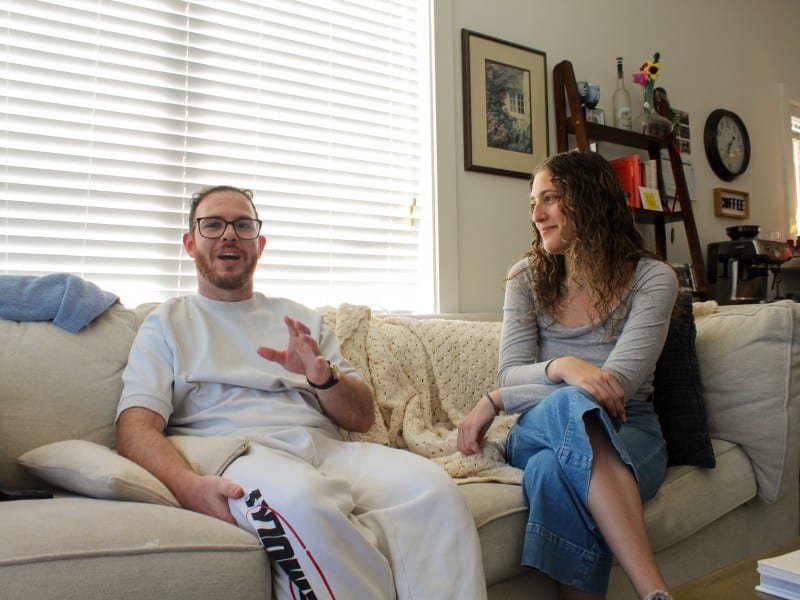
“Initially, it was tough because we are so used to our routine. Meeting at certain places every week can be a comfort,” said Stephanie Fox, president of Refuge Recovery Lansing. “I think that people quickly became accustomed to meeting on Zoom.”
She said that some people in the group even began to prefer Zoom over in-person meetings.
Still, it wasn’t easy trudging through a pandemic that basically encouraged people to isolate themselves. For an addict, isolation can sometimes lead to relapse. Staying in touch with a group of supportive folks is of the utmost importance.
“Unfortunately, we did have some relapses in the group,” said Fox. “But they came back to the group and worked through it and survived to continue on the path of sobriety.”
While many people may be familiar with Alcoholics Anonymous — the 12-step recovery group founded way back in the mid-’30s — Refuge Recovery is a bit newer on the scene and less well known. It was founded in 2014.
Refuge Recovery utilizes the core tenets of Buddhism to help struggling addicts maintain sobriety. Each meeting includes a 20-minute meditation session and readings from the group’s foundational text. At the end of the meeting, in a manner similar to your typical AA meeting, people have a chance to respond to the reading or share openly about the struggles they are facing.
“We do breathing meditations, meditations about awareness, love and kindness, equanimity,” said Fox. “One of our guiding principles, though, is that this isn’t a replacement for your daily practices. I’m not a Buddhist teacher or a guru.”
Fox believes in the power of meditation. Even in AA, daily meditation is encouraged. It encourages people to slow down their thoughts and live in the present moment. For an addict, the ability to guide one’s mind towards serenity is essential.
“An addict’s mind can be a busy mind. Always thinking about the past or the future. It can be really fraught with struggle,” said Fox. “Meditation is a wonderful way to settle the mind, settle your breath. You can bring your cortisol levels down with just breathing and mindfulness.”
Meditation can also allow members of the group a chance to take their mind off their own problems. Doing this can be a welcome reprieve from focusing on one’s own day-to-day struggles, according to Fox.
Sometimes, the hardest part about getting into a recovery program is taking the first step. Fox has simple advice for those who are on the fence about coming to a Refuge Recovery meeting: “Just try it out.”
In a Zoom meeting, it’s easier to discreetly show up and get a sense of what the meetings have to offer you. You don’t even have to turn on your camera, if you’d rather retain complete anonymity.
“Everyone goes to their first meeting at some point. We’ve all been there,” explained Fox. “We’re a very welcoming, tight-knit community. Being nervous is understandable. But there’s no pressure here. We hope people give it a chance.”
To find out how you can attend a Refuge Recovery meeting, go to facebook.com/refugerecoverylansing.