Trump’s 1980s newspaper ads are being vindicated, administration official says during Lansing tour
U.S. Small Business Administration Administrator Kelly Loeffler wants you to remember the ads that President Donald Trump put in newspapers in the 1980s.
No, not the 1989 ads in which Trump called for the return of the death penalty in response to false accusations against the since-exonerated Central Park Five.
Loeffler was instead referring to a newspaper ad from 1987, in which Trump criticized Japan and pushed for tariffs from allies in the context of a Iran-Iraq flare-up involving oil shipping in the Middle East, which prompted American military convoys to escort tankers from Kuwait and included U.S. military strikes against Iranian oil platforms.

Trump’s 1987 open letter in a newspaper ad
To the American People:
For decades, Japan and other nations have been taking advantage of the United States.
The saga continues unabated as we defend the Persian Gulf, an area of only marginal significance to the United States for its oil supplies, but one upon which Japan and others are almost totally dependent. Why are these nations not paying the United States for the human lives and billions of dollars we are losing to protect their interests? Saudi Arabia, a country whose very existence is in the hands of the United States, last week refused to allow us to use their mine sweepers (which are, sadly, far more advanced than ours) to police the Gulf. The world is laughing at America’s politicians as we protect ships we don’t own, carrying oil we don’t need, destined for allies who won’t help.”
Over the years, the Japanese, unimpeded by the huge costs of defending themselves (as long as the United States will do for free), have built a strong and vibrant economy with unprecedented surpluses. They have brilliantly managed to maintain a weak yen against a strong dollar. This, coupled with our monumental spending for their, and others, defense, has moved Japan to the forefront of world economies. Now that the tides are turning and the yen is becoming strong against the dollar, the Japanese are openly complaining, and in typical fashion, our politicians are reacting to these unjustified complaints.
It’s time for us to end our vast deficits by making Japan, and others who can afford it, pay. Our world protection is worth hundreds of billions of dollars to these countries, and their stake in their protection is far greater than ours.
Make Japan, Saudi Arabia, and others pay for the protection we extend as allies. Let’s help our farmers, our sick, our homeless by taking from some of the greatest profit machines ever created — machines created and nurtured by us. “Tax” those wealthy nations, not America. End our huge deficits, reduce our taxes, and let America’s economy grow unencumbered by the cost of defending those who can easily afford ot pay us for the defense of their freedom. Let’s not let our great country be laughed at anymore.
Sincerely,
Tariffs and a Middle East oil conflict in 1987, with Trump weighing in, show us today how to deal with our economy, Small Business Administrator says during Rep. Barrett visit
U.S. Small Business Administration Administrator Kelly Loeffler wants you to remember the ads that President Donald Trump put in newspapers in the 1980s.
No, not the 1989 ads in which Trump called for the return of the death penalty in response to accusations against the since-exonerated Central Park Five.
Loeffler was instead referring to a newspaper ad from 1987, in which Trump criticized Japan, called the Persian Gulf an area of “marginal significance to the United States” and pushed for tariffs from allies in the context of an ongoing Iran-Iraq conflict involving oil shipping in the Middle East, which prompted American military convoys at the time to escort tankers from Kuwait and included U.S. military strikes against Iranian oil platforms.
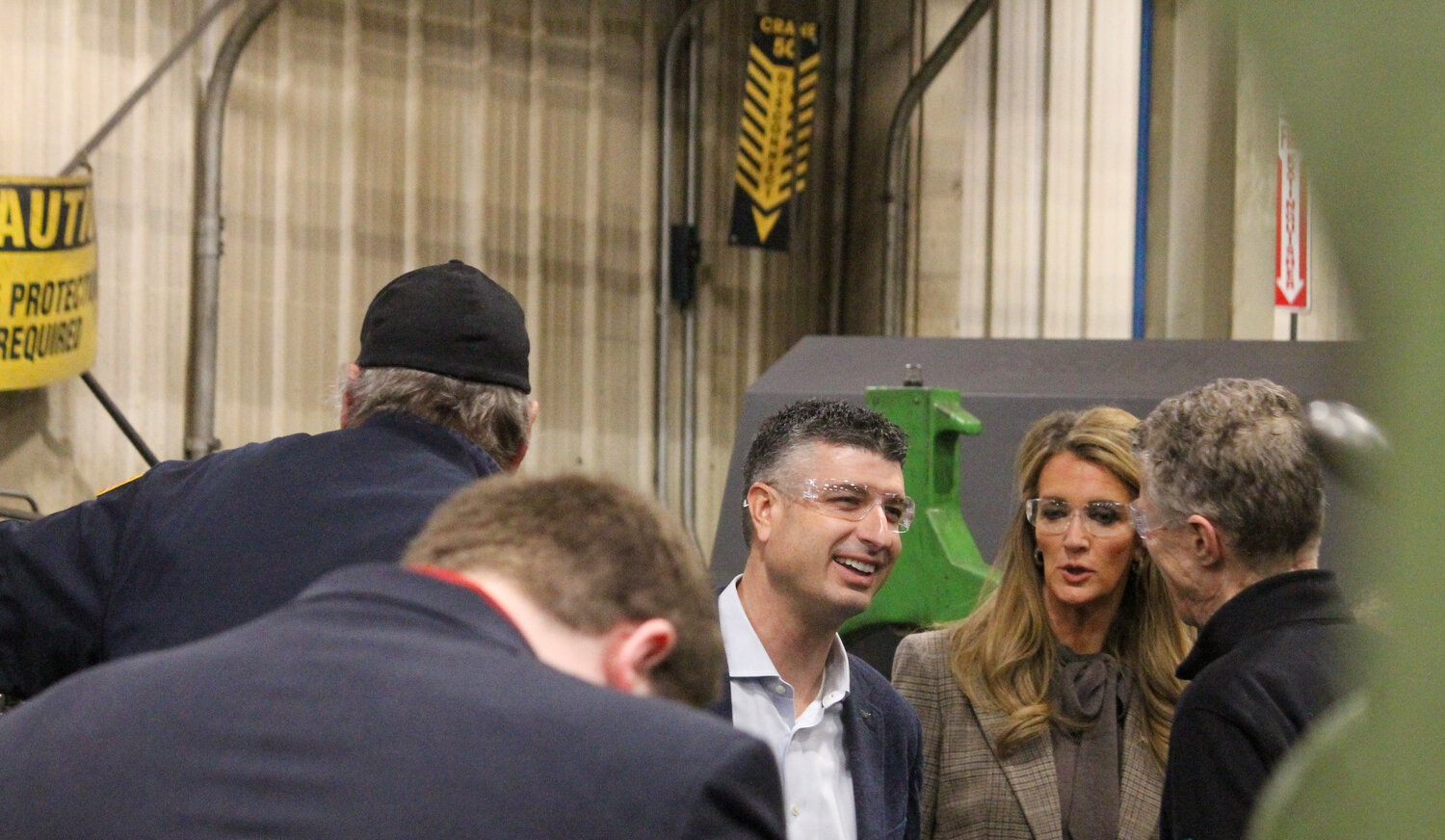
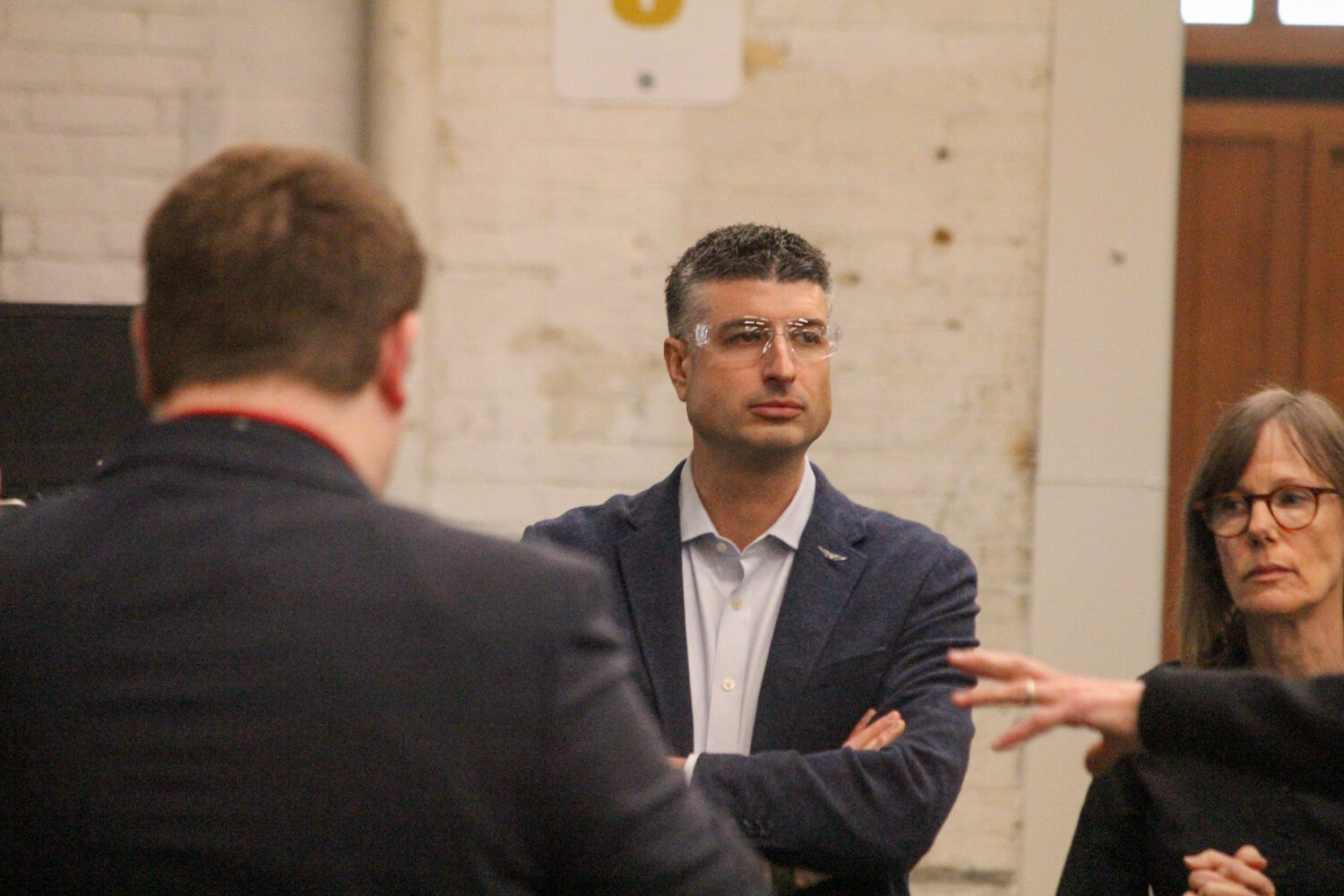
Congressman Tom Barrett and Loeffler toured, on Thursday, the Lansing factory of Campbell Press Repair, which fixes huge equipment for other manufacturers, including military and precision health care suppliers.
Most of their visit was clouded by the loud noise of machinery as Campbell officials and the government officials talked together before they took a handful of questions from around a dozen news reporters.
CEO Pete Campbell said the 53-year-old family business has benefited from the Trump administration’s tax credits for small businesses including his own business and his clients.
“With that tax advantage they can buy and be more competitive and bring the costs down on their end,” Campbell said.
Barrett touted the factory’s work in military applications and the importance of national security but did not mention the ongoing war in Iran.
He declined to answer a question about whether the administration has done enough to inform the public about the war actions in Iran. Barrett’s staff said he did not have time to respond and said he has issued statements on Feb. 28 and March 5 about his stance on the Iran war.
“President Trump has earned the opportunity to resolve this conflict quickly and with minimal casualties,” Barrett said in the most recent statement.
When they spoke to reporters at the Lansing factory, Loeffler and Barrett praised the Trump administration’s economic responses during the past year, with the administrator saying “there’s a lot to do to dig out of, four years of Bidenonomics, and we’re making great progress.”
Barrett said most people will notice they are getting more tax money this year, an average of about 10% more, with the aim of most of the increased returns going toward middle- and working-class people.
He said the Trump administration is addressing the economy by “doing internal border enforcement to remove people in the country illegally and competing against housing and other opportunities for native-born Americans to make sure that we’re not benefiting illegal immigrants over our own citizens and our own people who are here legally.
Loeffler pointed to the 1980 Trump newspaper ad, which used the word “backbone” and said it showed his decades-long record of support for policies including tariff reform.
“In the 1980s, before President Trump was president, he ran ads talking about the strength of American can be restored with a backbone,” Loeffler said. “Well, this president has brought courage and a backbone to our industrial policy, saying that we have to build it here because we do it best, we’re energy dominant, and we have to protect our national security by making things here in America again. And finally, he’s doing that, but in those 40 years, we lost five million jobs. We lost 70,000 factories that hollowed out our communities across this country.”
Loeffler was asked how small businesses can monitor and accommodate tariffs that have frequently changed with little notice in the last year.
She said she has met with businesses around the country whose leaders say they are adding shifts.
Barrett pointed to General Motors and said he has met with CEO Mary Barra, who is supportive of the Trump administration’s tariffs.
“You can’t sell a GM car in Tokyo,” Barrett said, “but one of the largest market-share vehicle manufacturers in the U.S. is Toyota. How’s that fair? How’s that fair to American families working hard every day so we don’t have these unfair trade imbalances that disadvantage American workers and manufacturers?”