
What’s next for Potter Park Zoo after Vikentii the tiger died?
Summer is prime time for Potter Park Zoo but this summer will be a challenge.
The zoo’s only Amur tiger, Vikentii, died earlier this month.
One of its two rhinos, Doppsee, died less than eight months ago. It was a blow that zookeepers are still absorbing
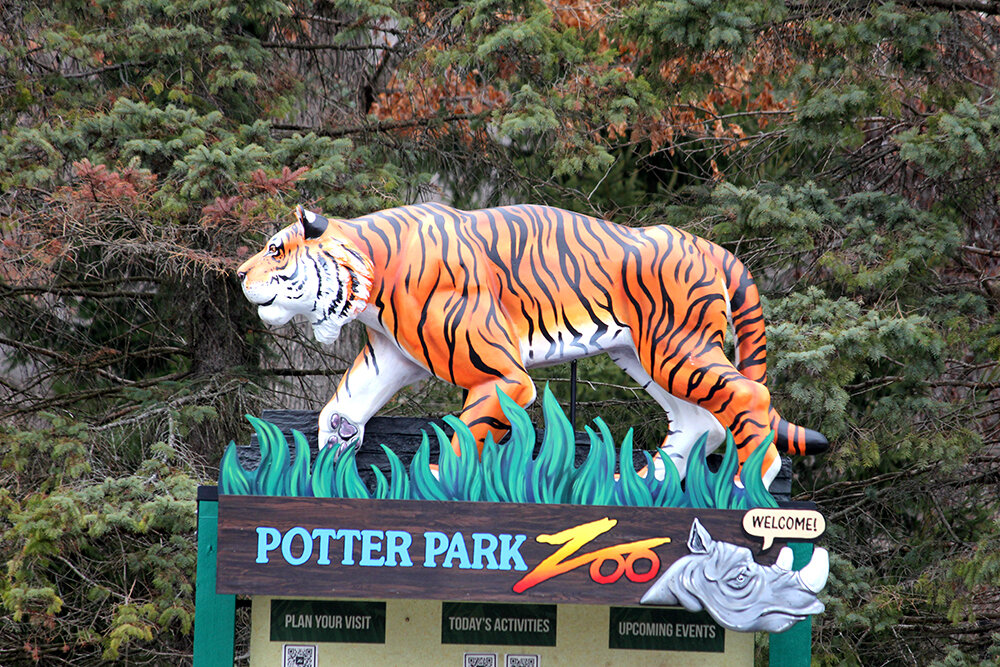
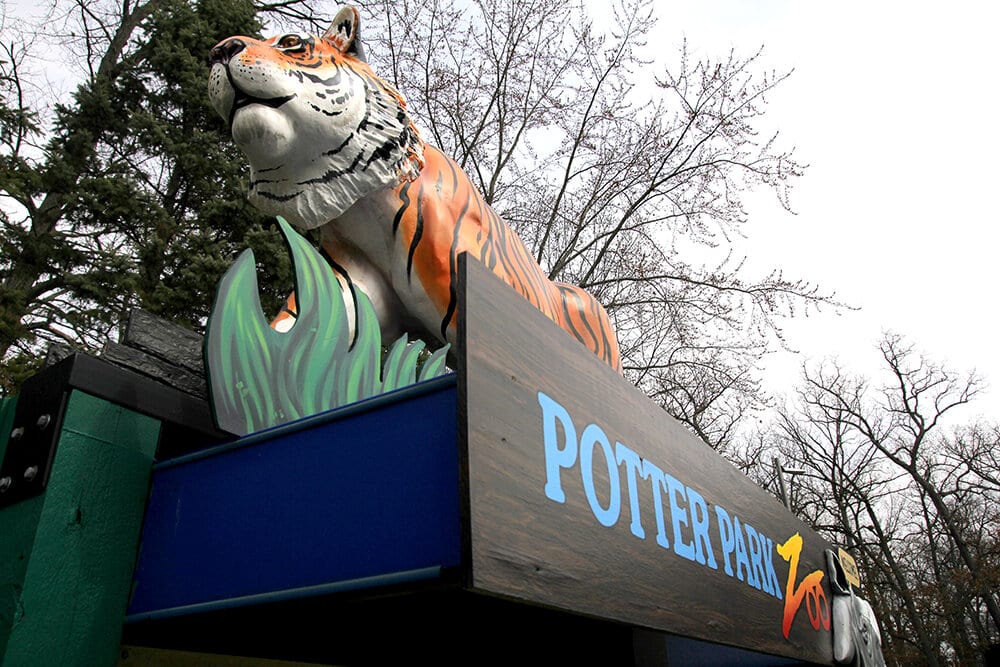
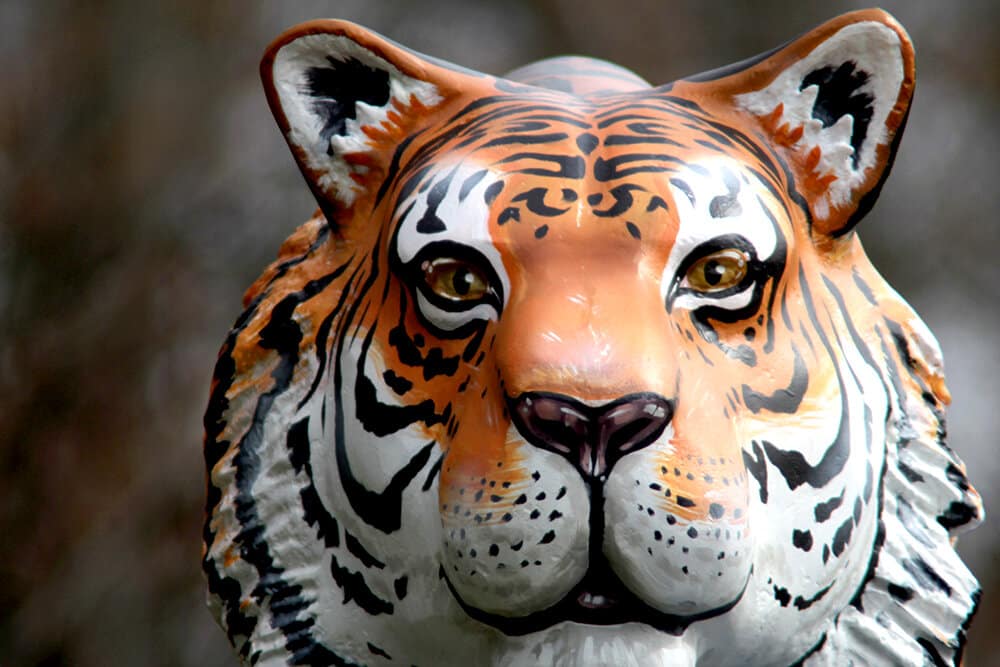
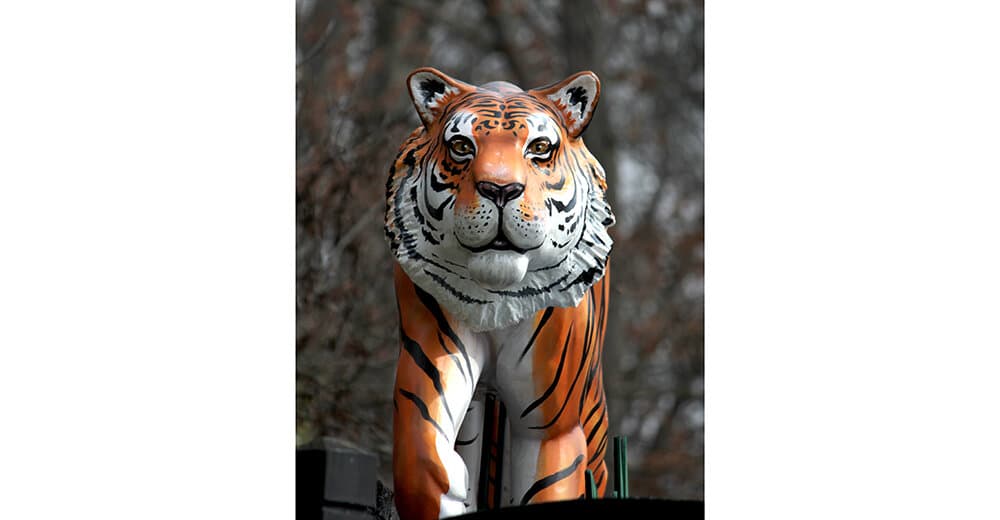
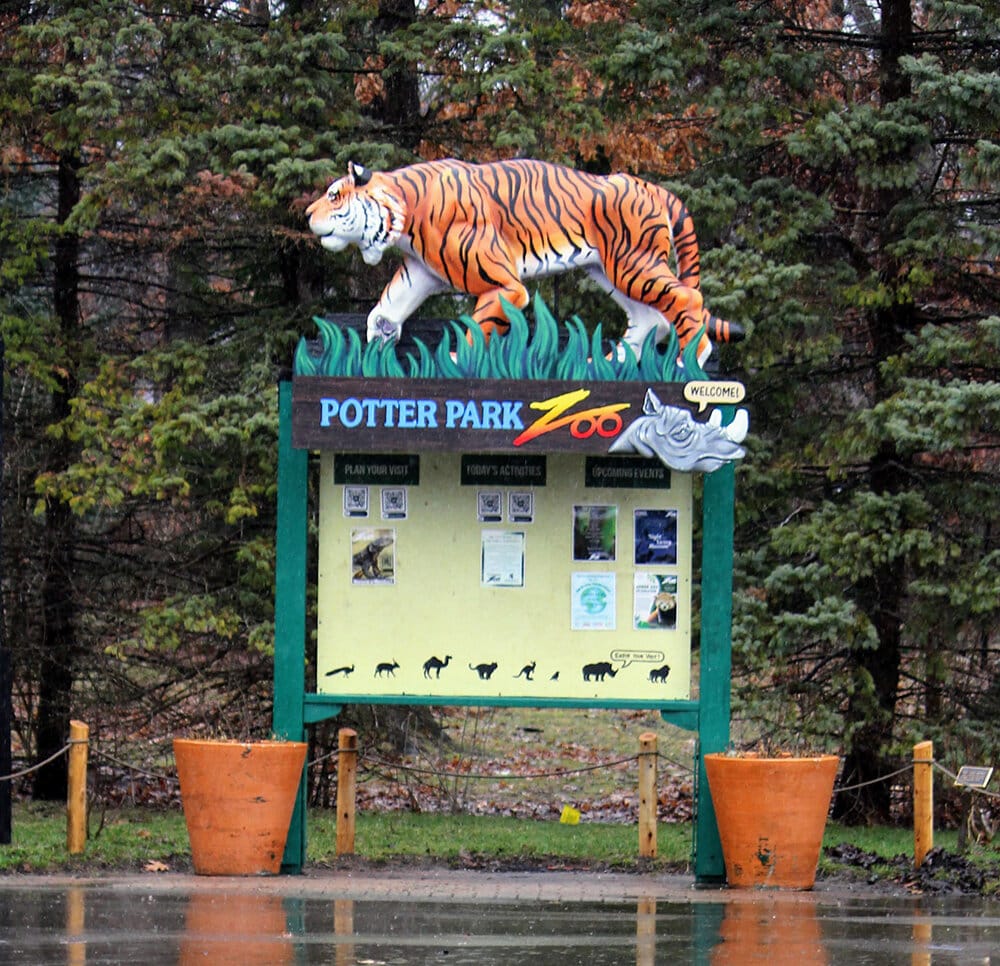
The first thing everyone sees inside Potter Park Zoo is a sign with a giant tiger and a rhinoceros. The tiger was taken down in late 2024 with its foot and tail broken off, fixed up with resin and a new wrap of fiberglass fur along with a fresh coat of stripes.
Everyone let the zoo know how important it was, said Adrienne Gelardi (ArtofAdrienne.com) who has done several murals at the zoo and is set to do another one soon.
Summer is prime time for Potter Park Zoo but this summer will be a challenge.
The zoo’s only Amur tiger, Vikentii, died earlier this month.
One of its two rhinos, Doppsee, died less than eight months ago. It was a blow that zookeepers are still absorbing; Doppsee was so beloved by her caregivers that her death was the most challenging loss at the zoo in at least a generation.
It’s not just the loss of two headlining animals; the zoo has had its own physical trials.
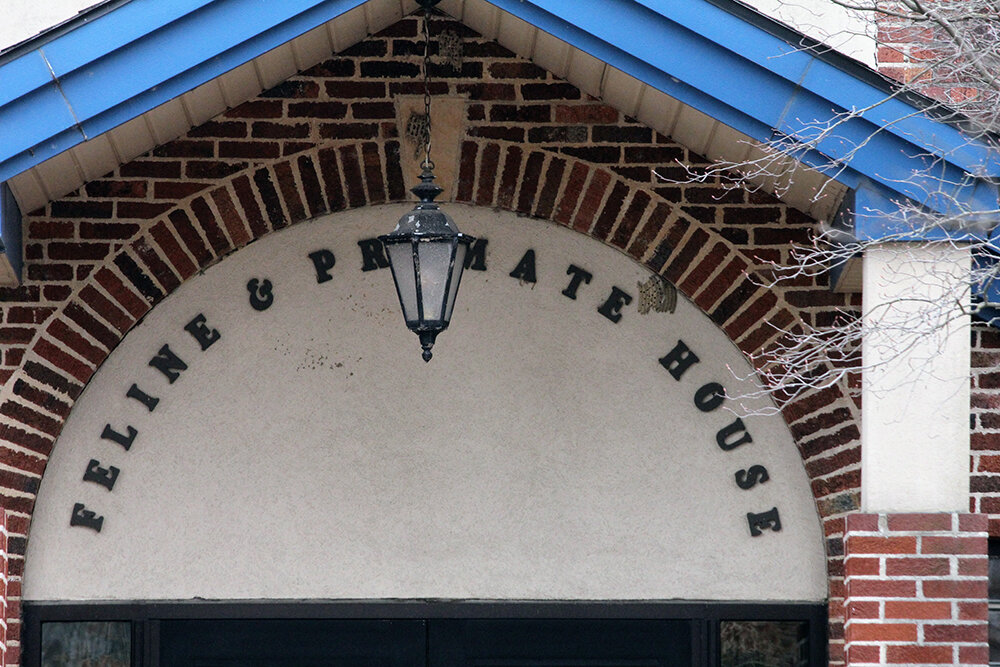
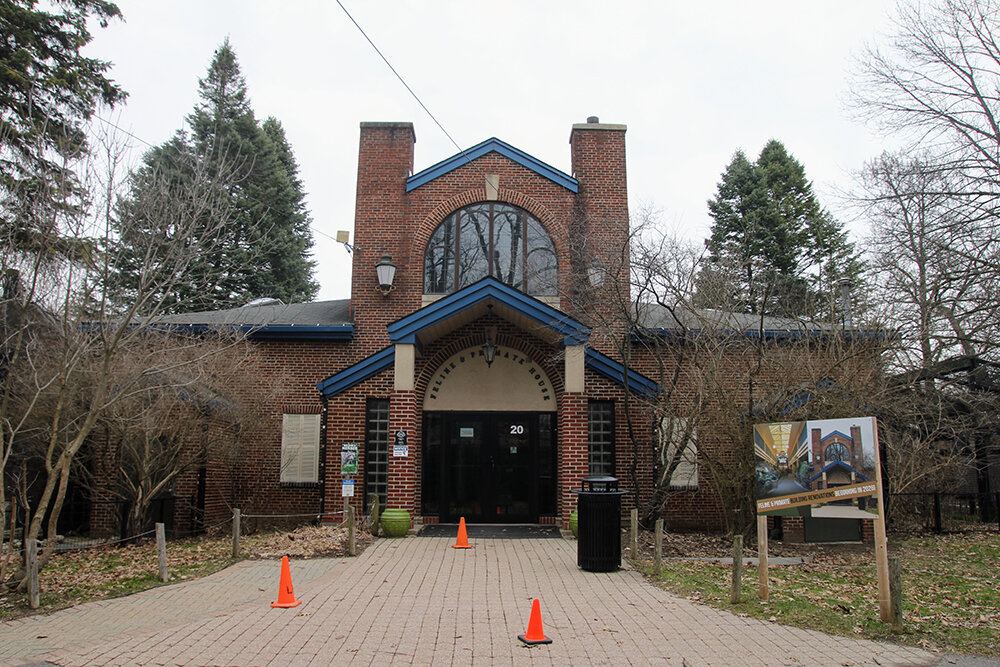
The building that’s perhaps the zoo’s centerpiece, it’s Feline-Primate House, is about to go under construction for a year, displacing those animals throughout Potter Park or elsewhere.
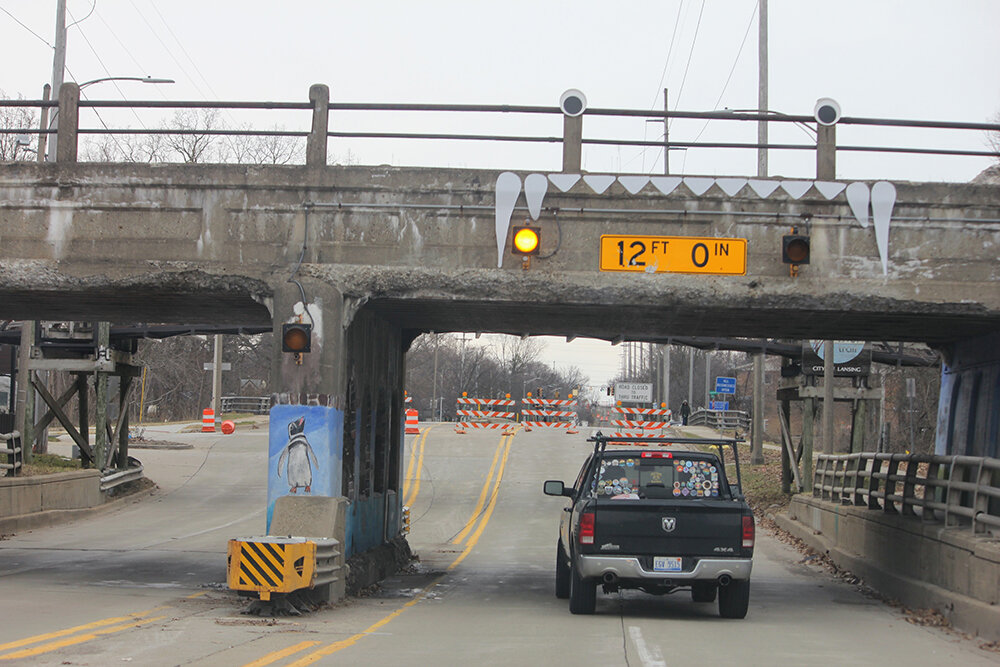
And the road outside of the zoo is under construction, stopping traffic from the south right up to the zoo’s entrance (and cruelly robbing the 12-foot Big Penny bridge of one of its main sources of food: northbound too-tall trucks).
It seems to be setting up to be one of the most difficult summers in the history of the state’s oldest public zoo. At least from the outside.
But inside the zoo, they’re excited for what’s coming.
The end of the upgrades is nearing
Many of the zoo’s big long-standing needs are being met right now and that means the near future has more opportunities for fun new projects, exhibits and more, said Cynthia Wagner, the zoo’s director.
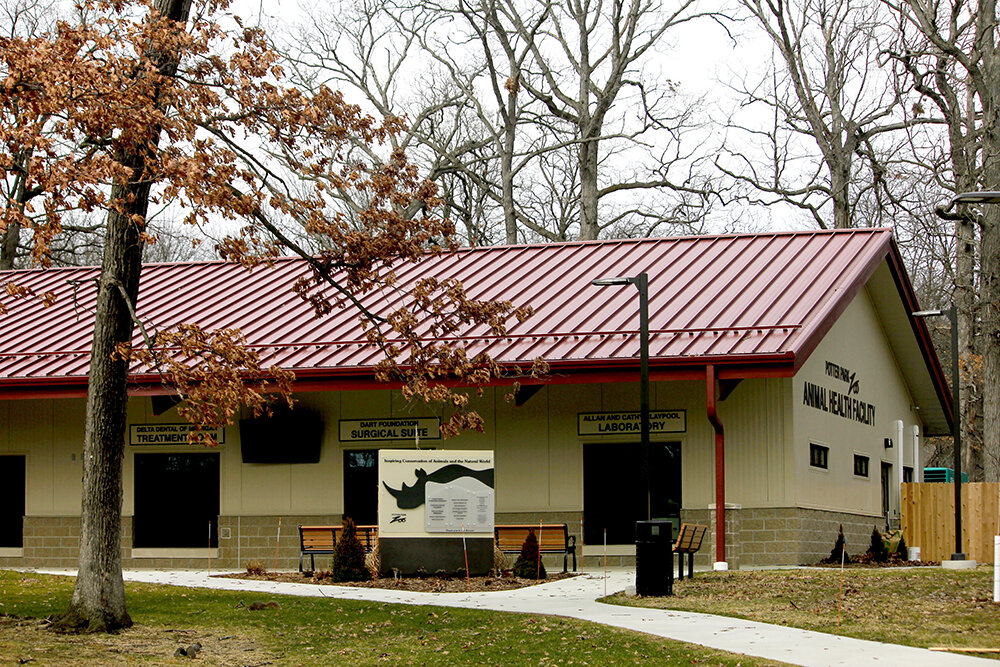
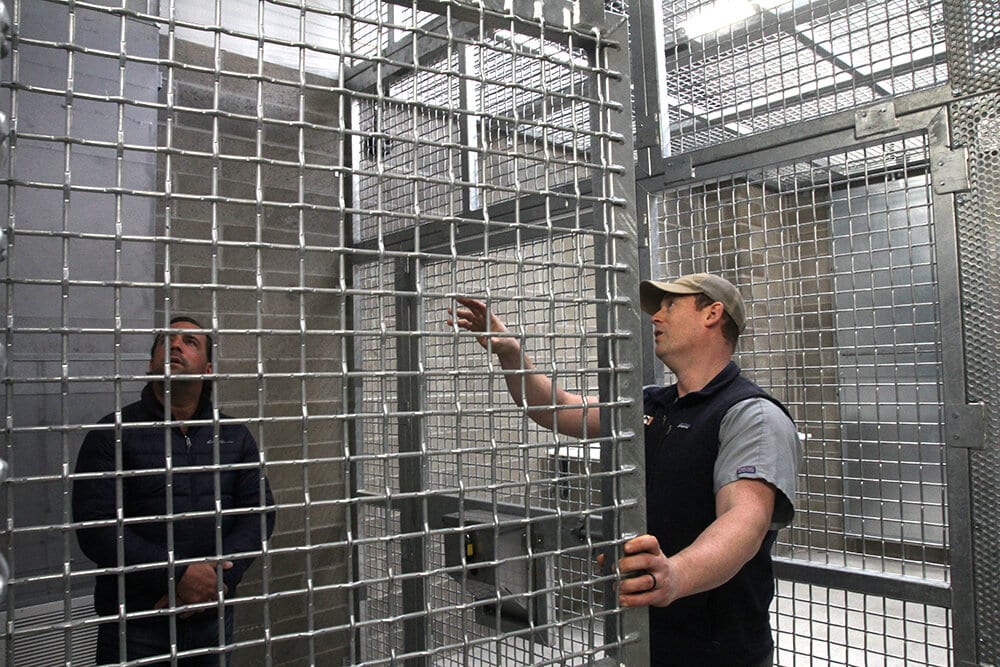
The zoo just completed its animal care center, something that’s been decades in the works.
The 6,000-square-foot veterinarian clinic moved into the neighboring Potter Park instead of taking up space inside the 20-acre zoo.
The old veterinary center will become a commissary, a food depot and a kitchen for the whole zoo. And the petting zoo/farmyard right there will be redone.
And then there’s a $10 million renovation of the Feline-Primate House (delayed this winter for state budget reasons, it was pushed back a year and is now set to start next spring).
Once that’s done, the former wolf habitat is likely next.
And that will catch much of the zoo up to date.
A lot of unglamorous infrastructure work has been done, such as the animal care center, that makes it easier for the zoo to recover from a death and easier for the next animals to arrive at the zoo.
The center allows the zoo’s staff, and veterinary students from Michigan State University, to do scientific research that wasn’t possible before, like studying a deceased tiger to further research and improve lives for other tigers, and possibly allow for another rare breeding of black rhinos and much more.
‘The bond that keepers had’
Ben Loewe was planning a trip through Michigan about eight years ago.
His family runs zoowithus.com, a website documenting their trips to zoos, they’ve been to 70-some, concentrated in the Midwest and based in Illinois.
They had arranged a backstage visit with Willow, Potter Park’s only moose, who was off-exhibit.
“They reached out to us and told us,” Loewe said, “the moose had died. But they were able to arrange a visit with Doppsee, a rhino who was just newly pregnant. They were about to announce it.”
Loewe said the visit was special, being able to interact with a rhino is rare.
“I could see the bond that the keepers had,” he said, including an eagle who screeched in recognition of a keeper. “They were so emotional when they were telling me about the moose. They spend so much time and pour so much of themselves into the animals.”
That keeper-animal bond is one of the big things he remembers about Potter Park Zoo and, he said, it’s probably good to focus on that as they deal with a challenging year.
Loewe said interactive exhibits, animal engagement (feeding, touching, etc) and well-done habitats are the biggest draws in community zoos these days, along with kid-friendly activities in or just outside of the zoo.
He said lions and tigers help to bring people into zoos.
“But they don’t do much during the day; the best time to see those animals is at night,” Loewe said. “My wife would much rather see a good anteater exhibit than a tiger exhibit any day. They’re engaging and you can usually get a good environment in there.”
Potter Park Zoo in mourning
In the days after Vikentii died, visitors continued to come in and stop at one of the fan favorite exhibits: the otters are one of the first things most visitors go to, close to the front.
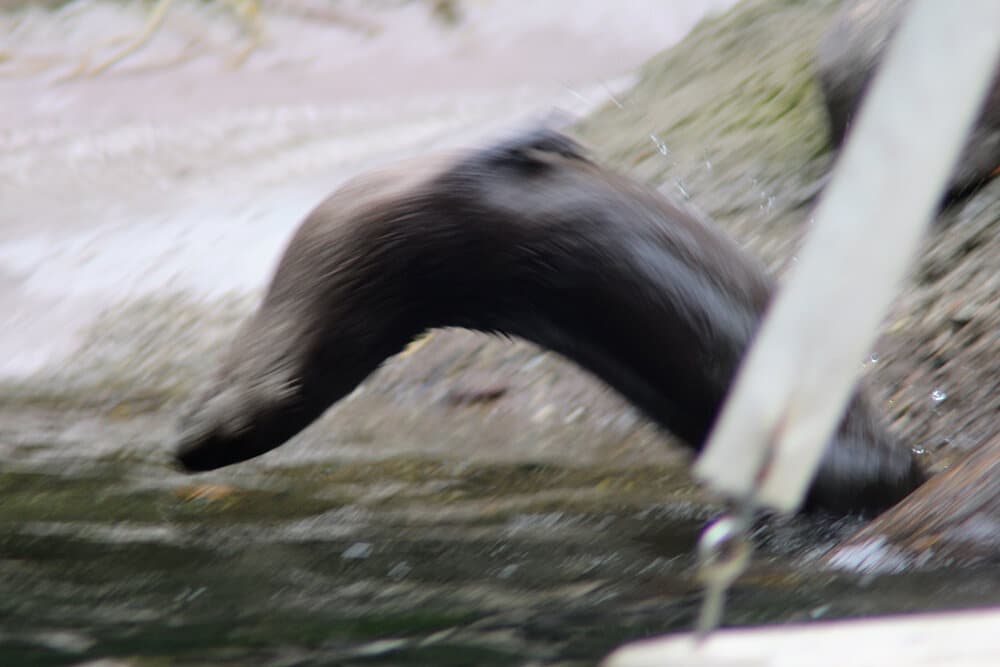
And it’s just the kind of thing Loewe looks for in zoos: interactive flipping otters.
Friends Seven Mattes, Lisa Sutton and Leigh Ann Hamel laughed and kept watching the otter do backflips in its water-land habitat last weekend and they weren’t alone.
It’s a nice shady spot in the summers and has all the interactivity and visibility that zoo fans like Loewe seek out.
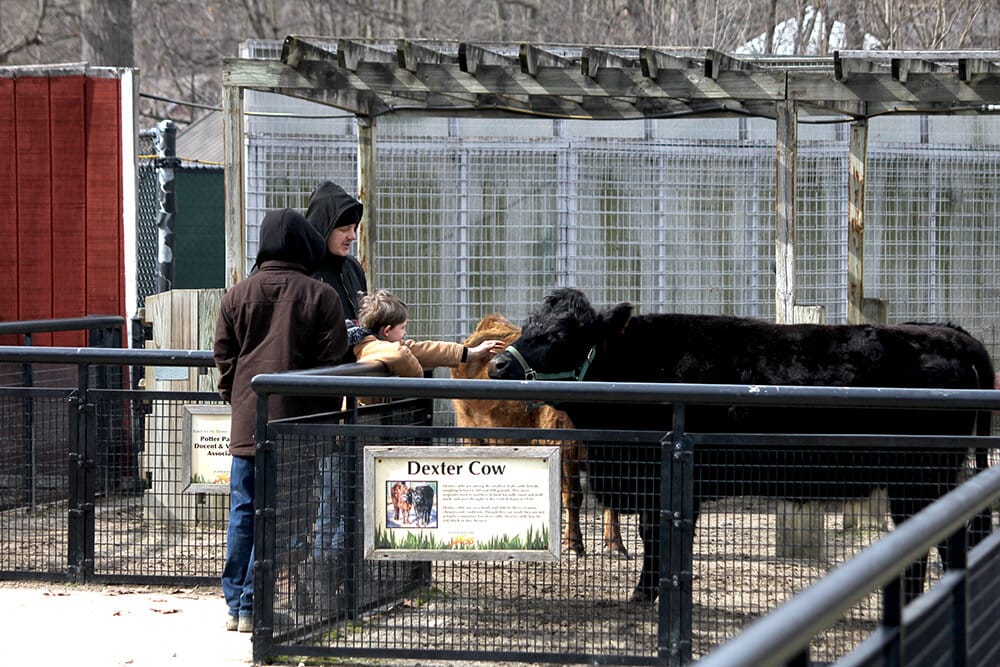
Scott Handziak Sr. came back to Potter Park Zoo last week. He’s spent most of the last decade in Tennessee and wanted to show his children, Scott Jr, 14, and Tommy, 7, the zoo he grew up visiting.
The coin-operated feeding machines are gone, he said, the goats were over three and the kangaroos used to be where the emu is now.
But it still feels a lot like the zoo he grew up in, Handziak said, as Tommy touched the nose of a cow.
What happens when a popular zoo animal dies
When a popular zoo animal dies, it’s often not a surprise and zoo officials have been working for years to prepare, said Hollie Colahan, the executive director of the Arizona-Sonora Desert Museum in Tucson and chair of the American Zoo Association’s Animal Population Management committee.
“A lion over 15, we’d call that geriatric and flag that zoo as needing a new cub,” said Colahan, who has been head of the lion part of the AZA’s Species Survival Program.
Tigers are similar, said Dr. Ronan Eustace, Potter Park’s veterinarian, who has worked closely with both lions and tigers.
For Vikentii, preparations for his death began before he even arrived, Potter Park officials said.
He was an elderly tiger, 14 when he arrived and already just about at the average life expectancy for tigers in captivity.
In broad terms, there are two types of zoo animals: Breeding and holding.
An elderly tiger is holding.
Matching animals for species survival, or breeding, is one of the priorities of the national zoo officials, who determine which animals go where. It’s a complicated bunch of decisions taking into mind the animal’s needs and best fit, the space at a zoo, the zoo’s expertise and budget and other exhibits and even the ambient noise of an urban zoo, Colahan said.
Potter Park has a single okapi; they could be eligible for another one, and breeding, after three years. But that means twice the outdoor space and extra indoor space to accommodate a potential baby, Wagner said.
Since most zoos are landlocked, aiming to build a full breeding habitat will often mean giving up another potential exhibit.
That’s how it’s often easier for big zoos to have breeding populations of animals, which means the animals could live there for a long time before becoming a holding animal that gets transferred away.
“There needs to be facilities that can hold these males, either for retirement or even hold them while they may not have an opportunity to breed,” Eustace said.
But despite the challenges, community zoos like Potter Park are involved in plenty of breeding programs.
The zoo is well-known for its rare captive-born baby rhino, Jaali, born to parents Doppsee and Phineus on Christmas Eve 2019. Jaali was moved to The Living Desert Zoo and Gardens in California in 2021 and he was paired with Nia in 2023 for potential breeding.
Potter Park’s success with Jaali has Amy Morris-Hall, executive director of the Potter Park Zoological Society, confident that Potter Park will soon again be home to a breeding pair of rhinos.
For the summer, however, male Phineus will likely have free roam of both of Potter Park Zoo’s rhino pens.
Colahan said rhinos and other animals don’t move homes fast.
“Best case, if there’s a rhino on the Species Survival Plan and ready to move right away … it’s six months to a year,” she said. There’s matching, training, paperwork, facility preparation and arranging with the few movers who handle exotic giant animals.
And as for a tiger, that was part of the preparations for Potter Park Zoo.
The coming renovation of the Feline-Primate House meant that Vikentii would have been relocated in 2027, either somewhere else at the zoo or to another zoo. Or to a sanctuary, since many zoos would be reluctant to take an elderly tiger on temporary transfer.
Potter Park’s snow leopard will likely be going to a shelter temporarily during construction, rather than another zoo, for example, Wagner said.
The outside cages at the Feline-Primate House are going to be torn down and replaced with more modern outdoor habitats. The inside of the house will be renovated, largely to remove the steps and inclines that make it not-ADA compliant and to improve the indoor habitats.
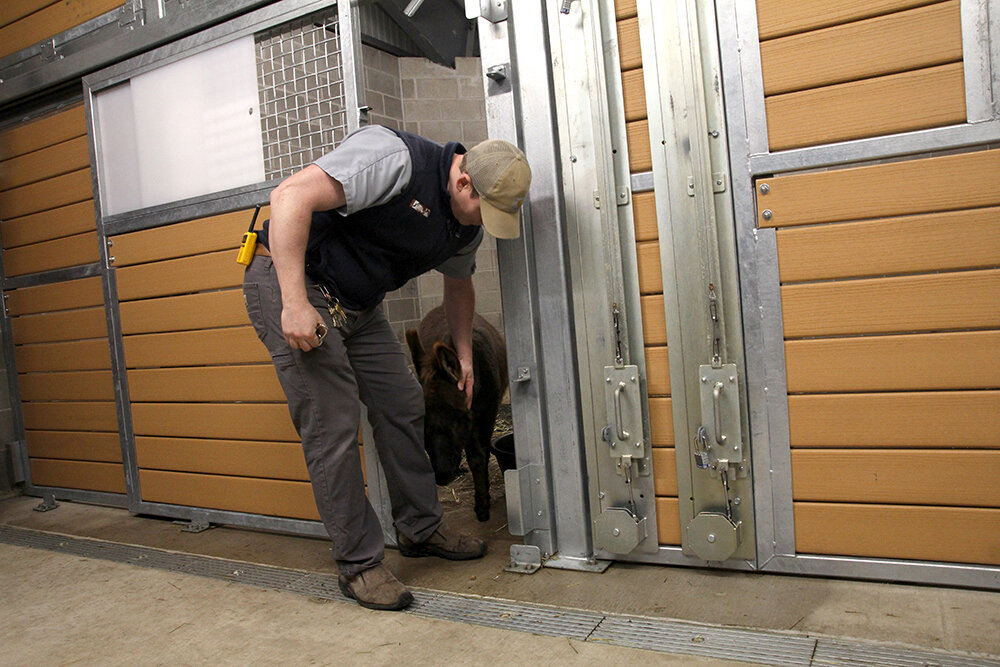
Keeping as much of the architecture as possible is important to the zoo, Wagner said.
Potter Park’s tiger exhibit likely won’t stay empty this summer, but it will probably be something else relocated from within the zoo for the next nine or ten months and not be a tiger.
The slim chance of having a tiger would be if there is another tiger in the Species Survival Program who needs a temporary home for about nine or ten months max.
If that happens, Potter Park will get another tiger for a bit before 2028, but it’s unlikely, said Wagner.
How did Vikentii die?
Vikentii was being treated for cervical disc disease and ultimately, age.
“Age isn’t technically a disease,” said Dr. Ronan Eustace, the zoo’s veterinarian. “But Vik was 16. In people, we’d say a slipped disc, the same thing happens in animals. In big cats, their heads are so big and heavy, they tend to have this. We see a lot of spinal disease.”
Eustace is involved in a national mortality study of all the lions in the U.S.
“We see similar diseases that are very common in these big cats,” Eustace said. “I think it’s because they’re living longer in zoos than they would in the wild, and then they have very big heads, and they’re very muscular and have that big heart. I think they just wear their spines out.”
He said one of the common concerns from zoo visitors is that the big cats are too skinny.
What people see is the healthy and appropriate weight for those animals, Eustace said, because zoo cats get their food weighed each time since spines are such a big concern.
Another feature of the new center is its -80 °C freezers, cold enough for biological samples, and not available at the zoo before.
Vikentii, like Doppsee, is continuing to be part of scientific research through dozens of tests.
Having the special freezers and a separate room for necropsies is a huge advantage for conducting research at Potter Park, Eustace said.
The hardest part of being a zookeeper
Hanging over the zoo is the idea of perpetual loss.
There are hundreds of animals at Potter Park Zoo, most of them have shorter lifespans than their human caretakers.
In the 1970s, Potter Park Zoo, like many community zoos, was known for its elephant.
Purchased in part with donated coins from elementary school children, Bingo the elephant was named for big fundraiser Bingham Elementary.
Bingo died in 1979, likely from complications from eating a large rock. Bingo, Wagner said, was likely the last zoo animal’s death to hit keepers as hard as Doppsee.
Thousands of kids, parents and visitors got to interact with Bingo and, generations later did the same with Doppsee.
Wagner said she was Doppsee’s keeper when the rhino arrived, and for many years.
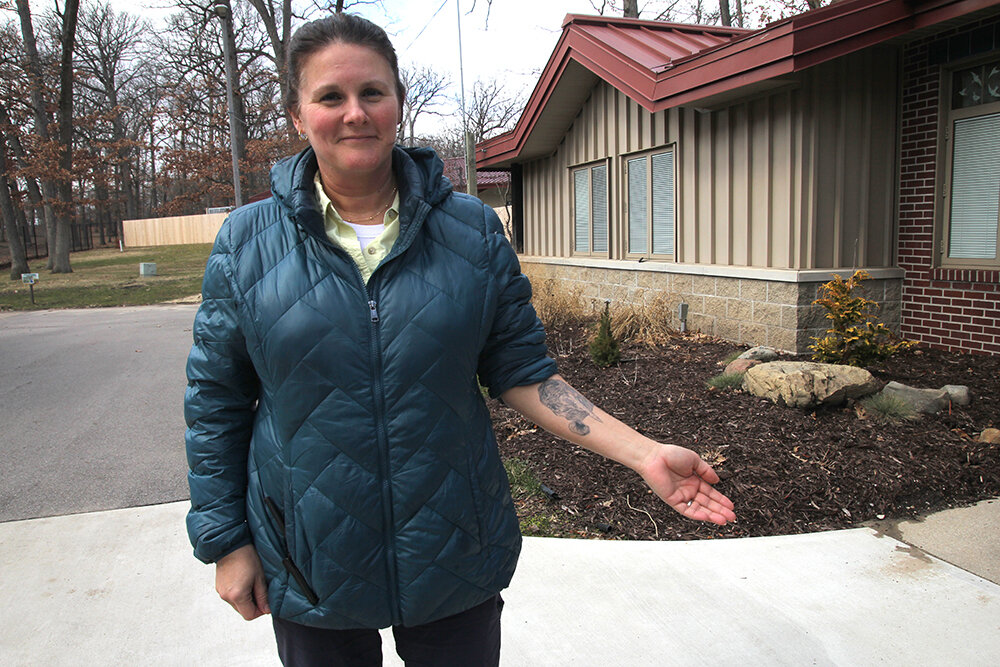
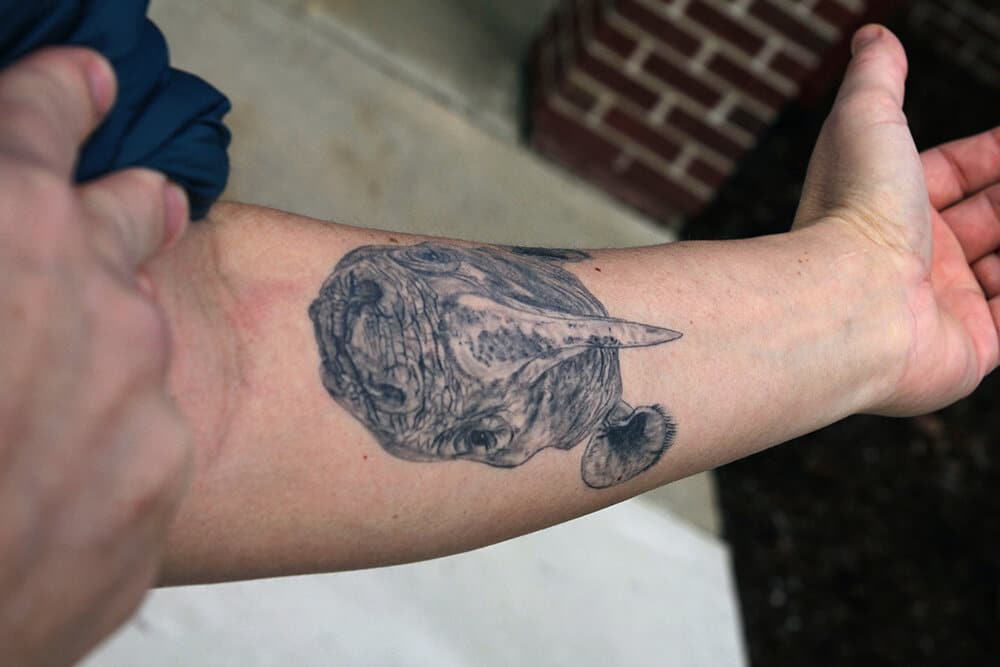
Wagner has recently gotten Doppsee’s face tattooed on her left arm.
She said the zoo’s role is to balance the needs of the animals and the public, to create spaces where both are thriving.
Finding animals like Doppsee and connecting them to the public is so important, and visiting the zoo is how people build those relationships.
“We’re trying to create spaces where our animals have choice and control and make decisions about where they’re spending their time,” Wagner said. “So come out this summer, we have keeper chats, and you can talk to us about why an animal may or may not be seen right now.”
Related Articles
A roundup of recent Lansing-area music news
From Big Sur releases new album, Starfarm’s Whitney Who has a new group and Displaced Manor finds a new home
Ten touchstones in local LGBTQ+ history
In 1971, gay activists in East Lansing demanded protections in the city government’s hiring process from their City Council. They came, they fought, and they won: East Lansing’s early 1972 civil rights ordinance was the first of its kind in the country.