The dangerous rise and potential fall of kratom’s opioid extract
Products with bright, candy-like labels sit on the counters of local tobacco stores, easily mistaken for energy shots or wellness supplements. They’re often displayed right next to water …
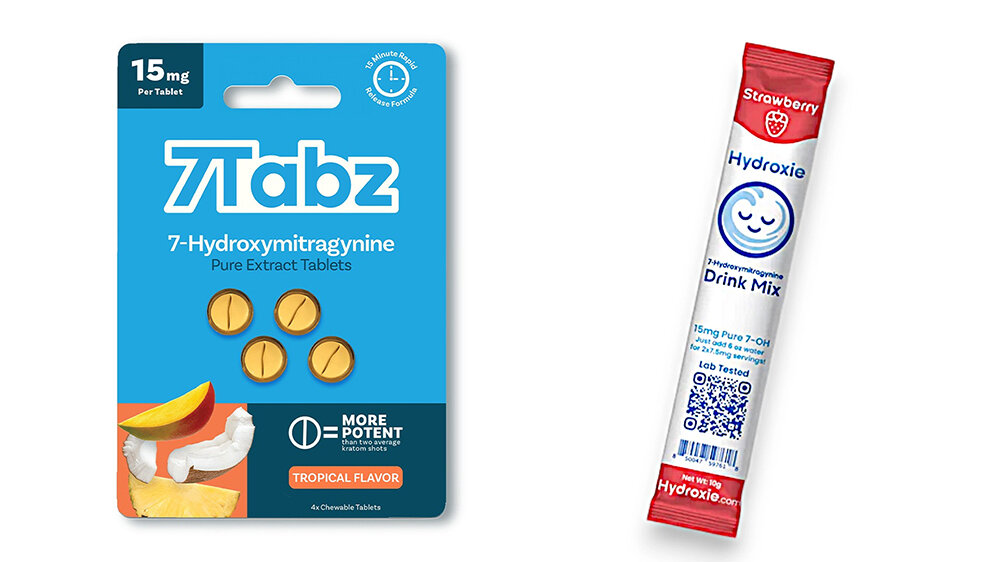
Products with bright, candy-like labels sit on the counters of local tobacco stores, easily mistaken for energy shots or wellness supplements. They’re often displayed right next to water bottles and soft drinks, a seemingly harmless impulse buy. But behind the bold branding lies a potent and dangerous substance: 7-hydroxymitragynine, a concentrated kratom extract that’s a far cry from the plant it’s derived from.
The federal government is taking decisive action. In a joint press conference July 29, the Food and Drug Administration recommended the Drug Enforcement Administration classify 7-hydroxymitragynine as a Schedule I controlled substance. This recommendation, if adopted, would place the extract in the same category as heroin, LSD and ecstasy, a clear signal of its serious public health threat. The DEA’s review of the recommendation is underway, and public comments will be taken into consideration before a final decision is made.
The peril of potency
The key to understanding the FDA’s recommendation is the distinction between the natural kratom plant and its concentrated extract. Kratom leaves, sourced from a tropical tree native to Southeast Asia, have been used for centuries for their stimulant (low dose) and sedative (high dose) effects. The two major psychoactive alkaloids are mitragynine and 7-hydroxymitragynine. In the natural leaf, 7-hydroxymitragynine is present in only trace amounts.
The concentrated extract, however, is a different beast entirely. As FDA Commissioner Dr. Marty Makary noted in the press conference, scientific studies have shown that 7-hydroxymitragynine is an opioid that’s 13 times more potent than morphine. The stark difference in strength is what makes the extract so dangerous. It directly targets the brain’s mu opioid receptors, the same receptors responsible for the powerful euphoric and addictive effects of substances like prescription pain pills and heroin.
The health risks associated with this extract are severe. The FDA has warned of addiction, liver toxicity, seizures and respiratory depression, which can be fatal. Unlike the natural leaf, which has a much lower potential for abuse due to its milder effects, the concentrated extract delivers a powerful, addictive hit that can quickly lead to physical dependence.
The broken dopamine cycle
One of the most insidious dangers of 7-hydroxymitragynine is its effect on the dopamine cycle. In simple terms, dopamine is the brain’s “feel-good” chemical, released in response to pleasurable activities. The human brain is naturally equipped to regulate this process.
When a person uses an opioid like 7-hydroxymitragynine, it floods the brain with an unnaturally high amount of dopamine. While this may initially create a feeling of euphoria, the brain eventually adapts by reducing its natural dopamine production. This leads to a shortened dopamine cycle. The user no longer gets pleasure from normal, everyday activities. Instead, they require the substance just to feel normal and avoid the severe symptoms of withdrawal. This creates a relentless cycle of dependence in which the user must consume more and more of the substance just to function.
Nationwide, taking action against concentrated kratom extract is a critical step to prevent a new wave of the opioid epidemic. As Makary said, “We’ve seen a disturbing rise in reports of overdoses, poisonings and emergency room visits linked to products containing 7-hydroxymitragynine. Let’s not get caught flat footed again.”
A problem in plain sight
Products containing 7-hydroxymitragynine are not being sold on the streets; they’re being sold in plain sight. Head shops and tobacco stores are a primary retail channel for these products. They’re often stocked in glass display cases alongside other “legal highs,” marketed with deceptive branding that downplays their potent opioid nature.
This accessibility is a major concern. The attractive packaging — often featuring bright colors and fruit flavors — is clearly designed to appeal to a younger demographic that may be unaware of the dangers. It’s a chilling parallel to the early marketing of e-cigarettes and flavored tobacco, and it puts our youth at a heightened risk for addiction. While Michigan law prohibits the sale of kratom to minors, the products’ easy availability in retail stores makes this difficult to enforce, especially when the substance itself is in a legal gray area at the federal level.
The federal push to classify 7-hydroxymitragynine as a Schedule I substance is not about demonizing the kratom plant; it’s about protecting the public from a powerful and addictive opioid that’s being sold legally, with the appearance of a harmless beverage or pack of gummies. To prevent another tragic chapter in the nation’s ongoing addiction crisis, this ban is not only welcome — it’s essential.