Figuring out how to honor America’s 250th birthday required a bit of threading the needle this year, said Bill Castiner, president of the Greater Lansing Historical Society.
“Michigan doesn’t really have a direct role in the Declaration of Independence,” he said.
But Lansing is home to one of the quintessential American spaces and places to practice what the founders preached: the Capitol yards were built in part to hold up the First Amendment’s freedom of assembly.
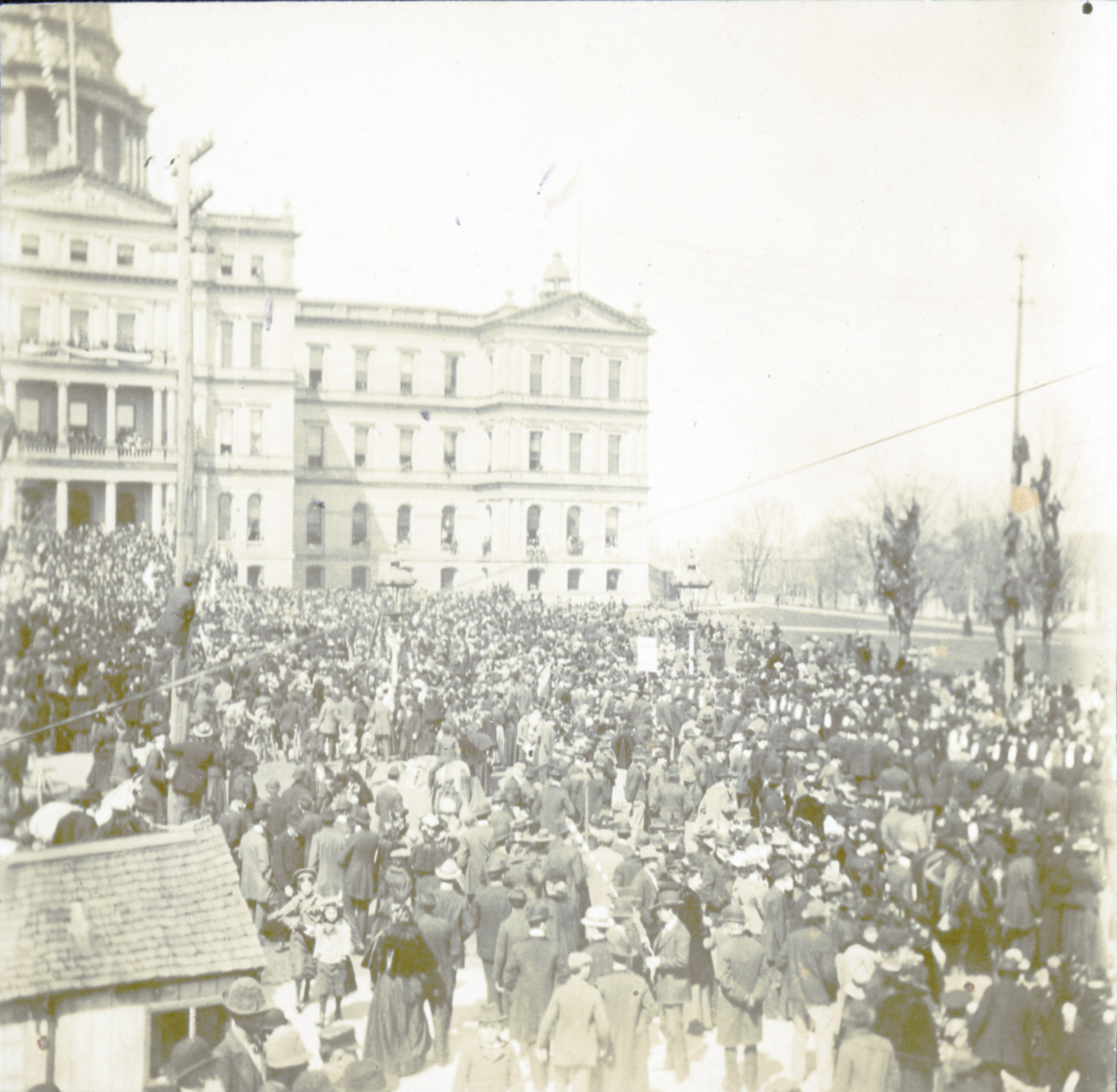
Before Michigan’s Capitol was finished, there were people gathering on the steps to have their voices heard, said Jacob McCormick, the Capitol’s photo archivist and curator of a new exhibit celebrating 150 years of people treating the Capitol as their own bullhorn.
Advertisement
“The Capitol Square, from Day One, was the people’s forum,” McCormick said.
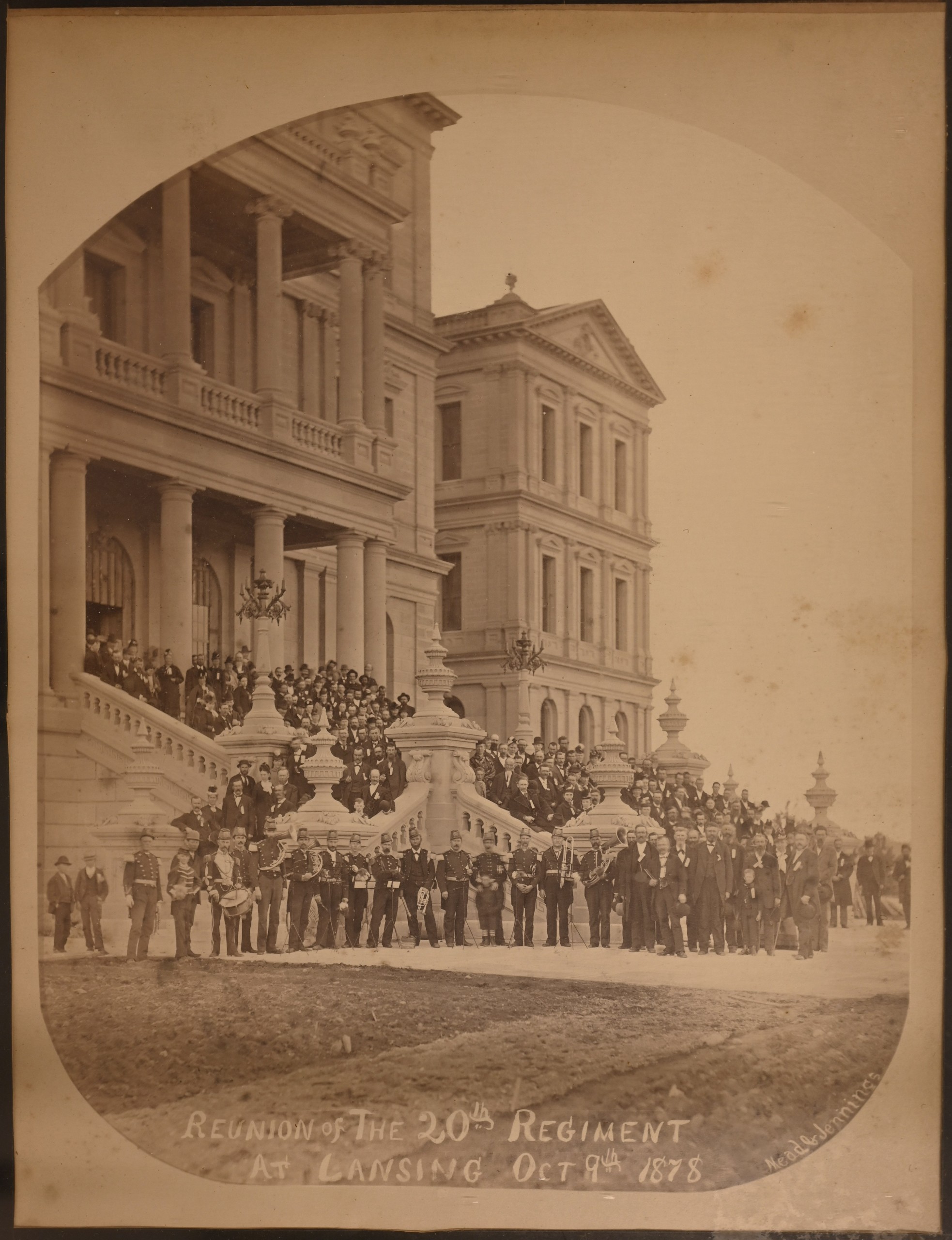
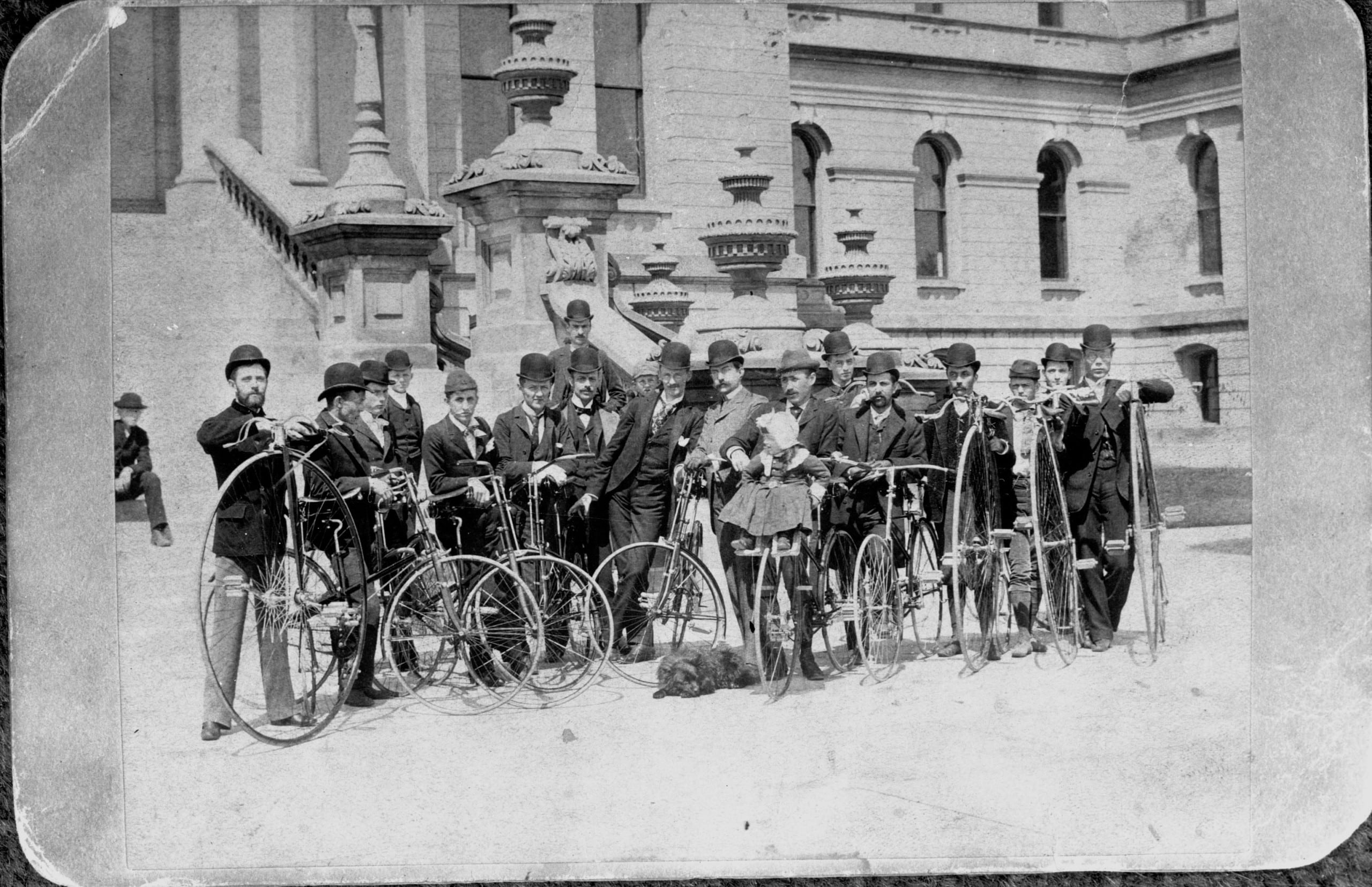
20th regiment reunion, 1878. Images from the Historical Society of Greater Lansing’s photo exhibition showing 150 years of protests, celebrations and gatherings at the Michigan State Capitol grounds. The exhibit starts July 4 and runs through the fall. Photographs are by David Olds, Gary Shrewsbury, Ariniko O’Meara, Dave Trumpie, Raymond Holt, Matthew Dae Smith, Randy H., Jeremy Herliczek, the estate of Bonnie Bucqueroux, Mead & Jennings, Linns, Michael Quillinan, Maureen Michel, Bruce Cornelius, Michigan Daily, the Michigan State Capitol Commission and Bill Mitchum.
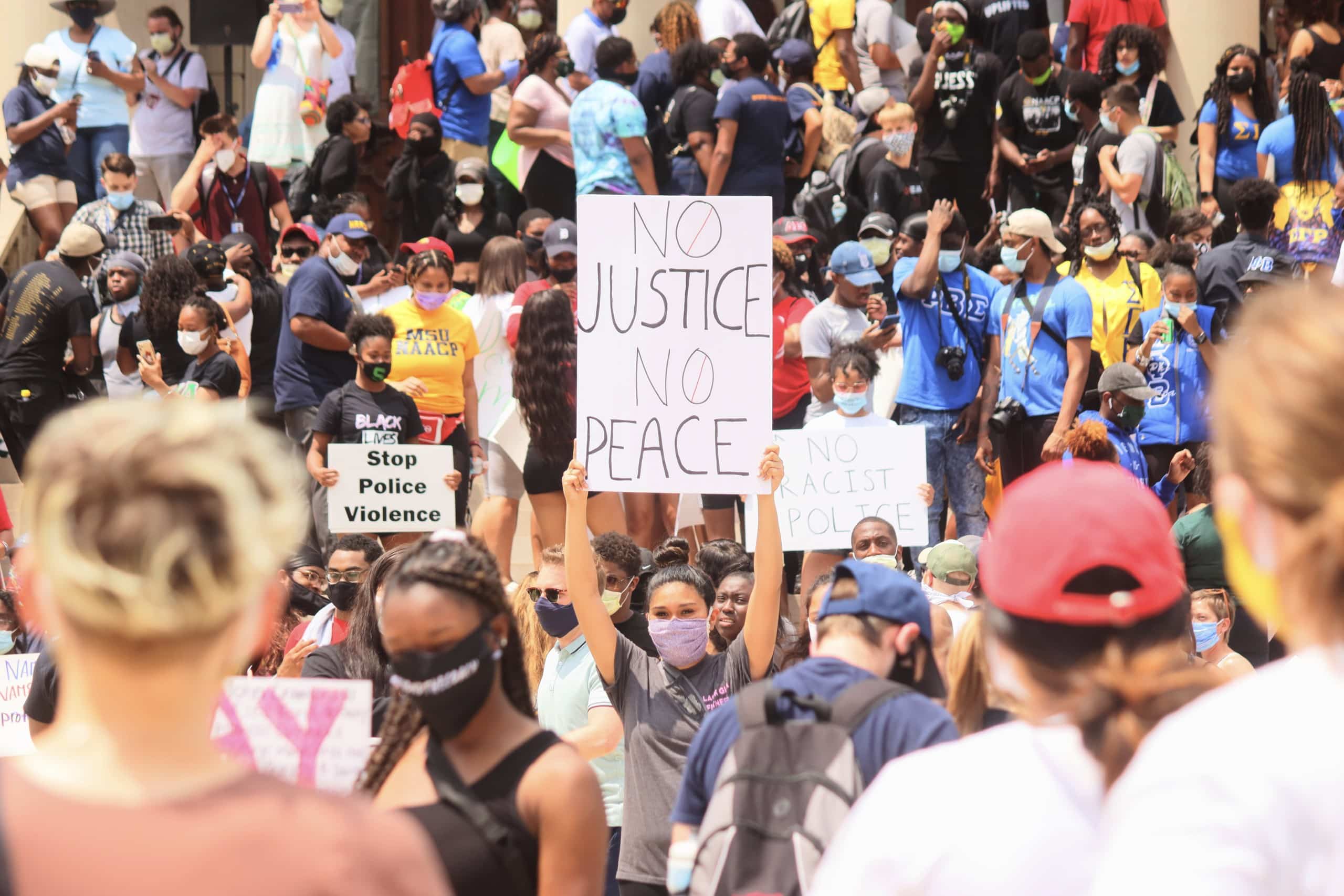
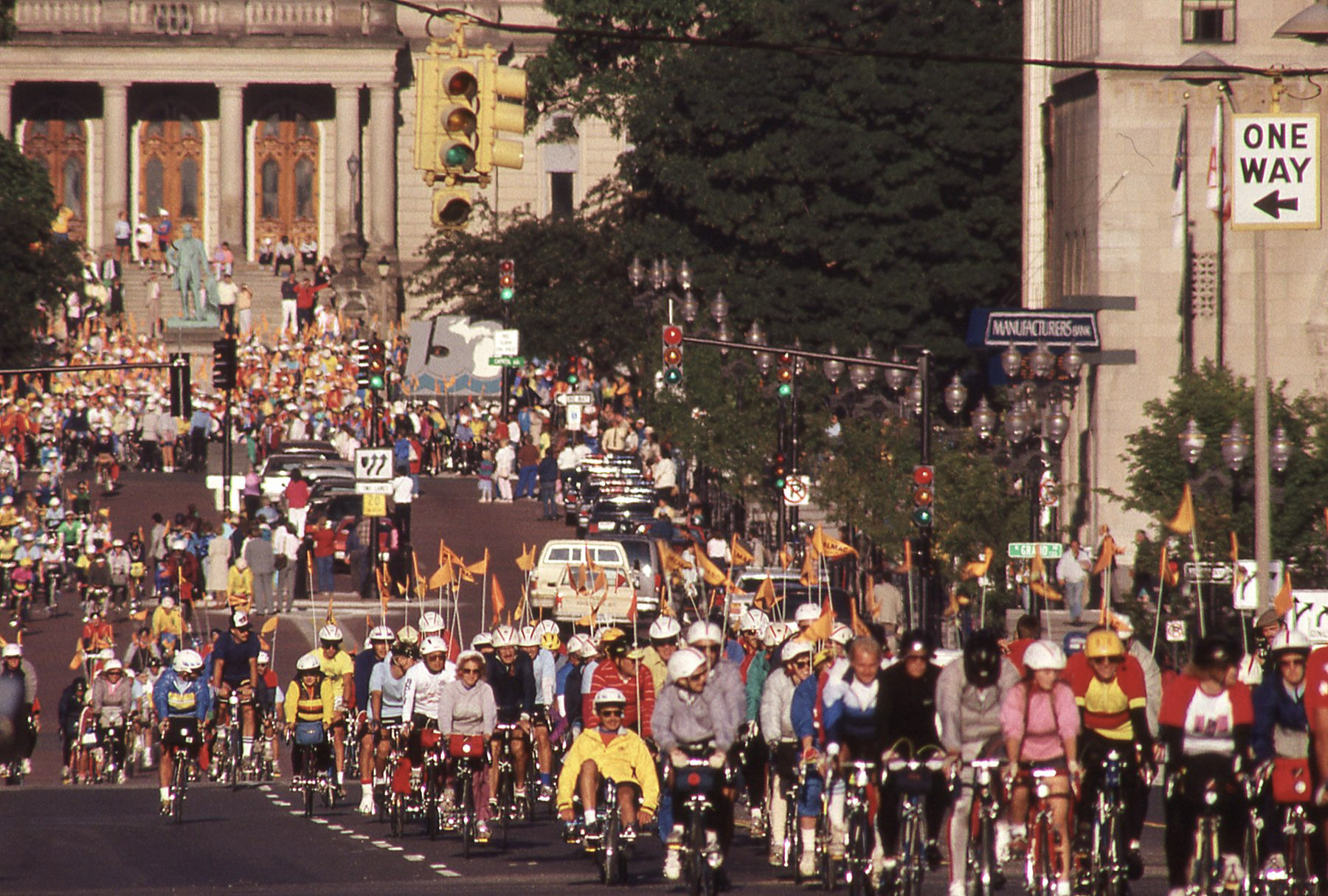
Images from the Historical Society of Greater Lansing’s photo exhibition showing 150 years of protests, celebrations and gatherings at the Michigan State Capitol grounds. The exhibit starts July 4 and runs through the fall. Photographs are by David Olds, Gary Shrewsbury, Ariniko O’Meara, Dave Trumpie, Raymond Holt, Matthew Dae Smith, Randy H., Jeremy Herliczek, the estate of Bonnie Bucqueroux, Mead & Jennings, Linns, Michael Quillinan, Maureen Michel, Bruce Cornelius, Michigan Daily, the Michigan State Capitol Commission and Bill Mitchum.
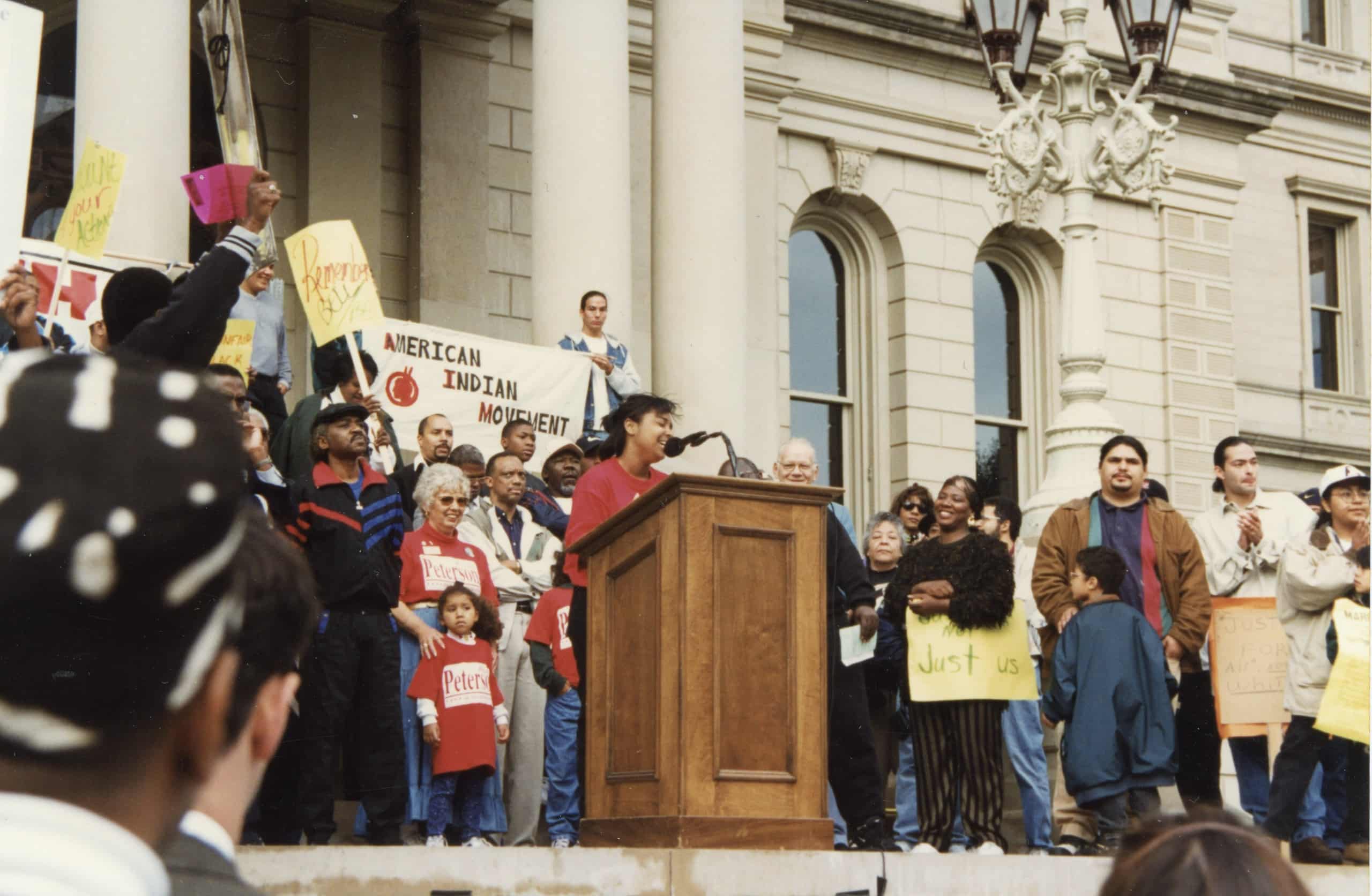
Images from the Historical Society of Greater Lansing’s photo exhibition showing 150 years of protests, celebrations and gatherings at the Michigan State Capitol grounds. The exhibit starts July 4 and runs through the fall. Photographs are by David Olds, Gary Shrewsbury, Ariniko O’Meara, Dave Trumpie, Raymond Holt, Matthew Dae Smith, Randy H., Jeremy Herliczek, the estate of Bonnie Bucqueroux, Mead & Jennings, Linns, Michael Quillinan, Maureen Michel, Bruce Cornelius, Michigan Daily, the Michigan State Capitol Commission and Bill Mitchum.
Images from the Historical Society of Greater Lansing’s photo exhibition showing 150 years of protests, celebrations and gatherings at the Michigan State Capitol grounds. The exhibit starts July 4 and runs through the fall. Photographs are by David Olds, Gary Shrewsbury, Ariniko O’Meara, Dave Trumpie, Raymond Holt, Matthew Dae Smith, Randy H., Jeremy Herliczek, the estate of Bonnie Bucqueroux, Mead & Jennings, Linns, Michael Quillinan, Maureen Michel, Bruce Cornelius, Michigan Daily, the Michigan State Capitol Commission and Bill Mitchum.
Images from the Historical Society of Greater Lansing’s photo exhibition showing 150 years of protests, celebrations and gatherings at the Michigan State Capitol grounds. The exhibit starts July 4 and runs through the fall. Photographs are by David Olds, Gary Shrewsbury, Ariniko O’Meara, Dave Trumpie, Raymond Holt, Matthew Dae Smith, Randy H., Jeremy Herliczek, the estate of Bonnie Bucqueroux, Mead & Jennings, Linns, Michael Quillinan, Maureen Michel, Bruce Cornelius, Michigan Daily, the Michigan State Capitol Commission and Bill Mitchum.
Images from the Historical Society of Greater Lansing’s photo exhibition showing 150 years of protests, celebrations and gatherings at the Michigan State Capitol grounds. The exhibit starts July 4 and runs through the fall. Photographs are by David Olds, Gary Shrewsbury, Ariniko O’Meara, Dave Trumpie, Raymond Holt, Matthew Dae Smith, Randy H., Jeremy Herliczek, the estate of Bonnie Bucqueroux, Mead & Jennings, Linns, Michael Quillinan, Maureen Michel, Bruce Cornelius, Michigan Daily, the Michigan State Capitol Commission and Bill Mitchum.
Images from the Historical Society of Greater Lansing’s photo exhibition showing 150 years of protests, celebrations and gatherings at the Michigan State Capitol grounds. The exhibit starts July 4 and runs through the fall. Photographs are by David Olds, Gary Shrewsbury, Ariniko O’Meara, Dave Trumpie, Raymond Holt, Matthew Dae Smith, Randy H., Jeremy Herliczek, the estate of Bonnie Bucqueroux, Mead & Jennings, Linns, Michael Quillinan, Maureen Michel, Bruce Cornelius, Michigan Daily, the Michigan State Capitol Commission and Bill Mitchum.
Images from the Historical Society of Greater Lansing’s photo exhibition showing 150 years of protests, celebrations and gatherings at the Michigan State Capitol grounds. The exhibit starts July 4 and runs through the fall. Photographs are by David Olds, Gary Shrewsbury, Ariniko O’Meara, Dave Trumpie, Raymond Holt, Matthew Dae Smith, Randy H., Jeremy Herliczek, the estate of Bonnie Bucqueroux, Mead & Jennings, Linns, Michael Quillinan, Maureen Michel, Bruce Cornelius, Michigan Daily, the Michigan State Capitol Commission and Bill Mitchum.
Images from the Historical Society of Greater Lansing’s photo exhibition showing 150 years of protests, celebrations and gatherings at the Michigan State Capitol grounds. The exhibit starts July 4 and runs through the fall. Photographs are by David Olds, Gary Shrewsbury, Ariniko O’Meara, Dave Trumpie, Raymond Holt, Matthew Dae Smith, Randy H., Jeremy Herliczek, the estate of Bonnie Bucqueroux, Mead & Jennings, Linns, Michael Quillinan, Maureen Michel, Bruce Cornelius, Michigan Daily, the Michigan State Capitol Commission and Bill Mitchum.
Images from the Historical Society of Greater Lansing’s photo exhibition showing 150 years of protests, celebrations and gatherings at the Michigan State Capitol grounds. The exhibit starts July 4 and runs through the fall. Photographs are by David Olds, Gary Shrewsbury, Ariniko O’Meara, Dave Trumpie, Raymond Holt, Matthew Dae Smith, Randy H., Jeremy Herliczek, the estate of Bonnie Bucqueroux, Mead & Jennings, Linns, Michael Quillinan, Maureen Michel, Bruce Cornelius, Michigan Daily, the Michigan State Capitol Commission and Bill Mitchum.
Images from the Historical Society of Greater Lansing’s photo exhibition showing 150 years of protests, celebrations and gatherings at the Michigan State Capitol grounds. The exhibit starts July 4 and runs through the fall. Photographs are by David Olds, Gary Shrewsbury, Ariniko O’Meara, Dave Trumpie, Raymond Holt, Matthew Dae Smith, Randy H., Jeremy Herliczek, the estate of Bonnie Bucqueroux, Mead & Jennings, Linns, Michael Quillinan, Maureen Michel, Bruce Cornelius, Michigan Daily, the Michigan State Capitol Commission and Bill Mitchum.
Images from the Historical Society of Greater Lansing’s photo exhibition showing 150 years of protests, celebrations and gatherings at the Michigan State Capitol grounds. The exhibit starts July 4 and runs through the fall. Photographs are by David Olds, Gary Shrewsbury, Ariniko O’Meara, Dave Trumpie, Raymond Holt, Matthew Dae Smith, Randy H., Jeremy Herliczek, the estate of Bonnie Bucqueroux, Mead & Jennings, Linns, Michael Quillinan, Maureen Michel, Bruce Cornelius, Michigan Daily, the Michigan State Capitol Commission and Bill Mitchum.
Images from the Historical Society of Greater Lansing’s photo exhibition showing 150 years of protests, celebrations and gatherings at the Michigan State Capitol grounds. The exhibit starts July 4 and runs through the fall. Photographs are by David Olds, Gary Shrewsbury, Ariniko O’Meara, Dave Trumpie, Raymond Holt, Matthew Dae Smith, Randy H., Jeremy Herliczek, the estate of Bonnie Bucqueroux, Mead & Jennings, Linns, Michael Quillinan, Maureen Michel, Bruce Cornelius, Michigan Daily, the Michigan State Capitol Commission and Bill Mitchum.
Images from the Historical Society of Greater Lansing’s photo exhibition showing 150 years of protests, celebrations and gatherings at the Michigan State Capitol grounds. The exhibit starts July 4 and runs through the fall. Photographs are by David Olds, Gary Shrewsbury, Ariniko O’Meara, Dave Trumpie, Raymond Holt, Matthew Dae Smith, Randy H., Jeremy Herliczek, the estate of Bonnie Bucqueroux, Mead & Jennings, Linns, Michael Quillinan, Maureen Michel, Bruce Cornelius, Michigan Daily, the Michigan State Capitol Commission and Bill Mitchum.
Images from the Historical Society of Greater Lansing’s photo exhibition showing 150 years of protests, celebrations and gatherings at the Michigan State Capitol grounds. The exhibit starts July 4 and runs through the fall. Photographs are by David Olds, Gary Shrewsbury, Ariniko O’Meara, Dave Trumpie, Raymond Holt, Matthew Dae Smith, Randy H., Jeremy Herliczek, the estate of Bonnie Bucqueroux, Mead & Jennings, Linns, Michael Quillinan, Maureen Michel, Bruce Cornelius, Michigan Daily, the Michigan State Capitol Commission and Bill Mitchum.
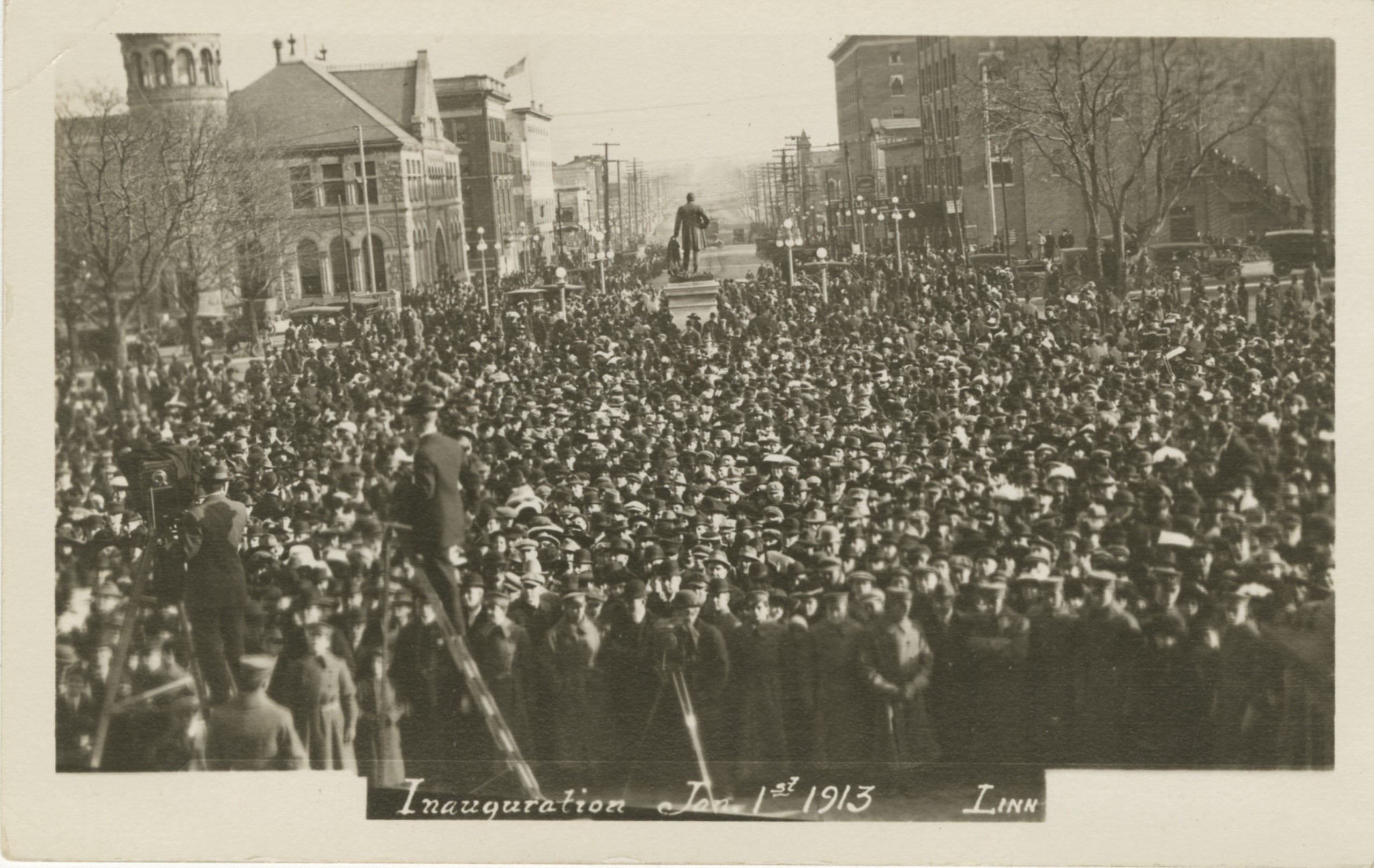
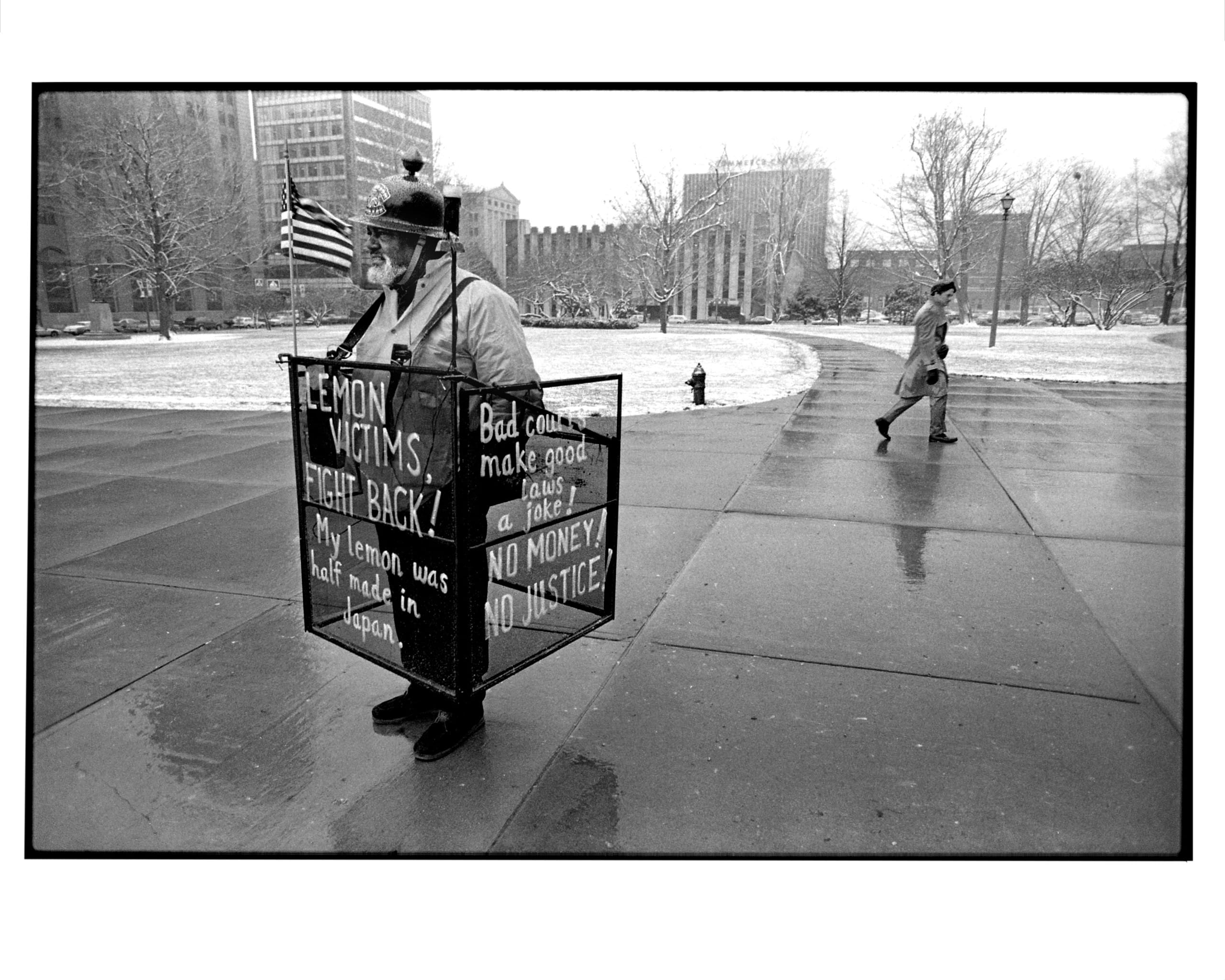
The Historical Society of Greater Lansing is hosting a photographic exhibition showing the past 150 years of public demonstrations, rallies, and celebrations that have taken place on the lawn, on the steps and in the Rotunda of Michigan’s State Capitol.
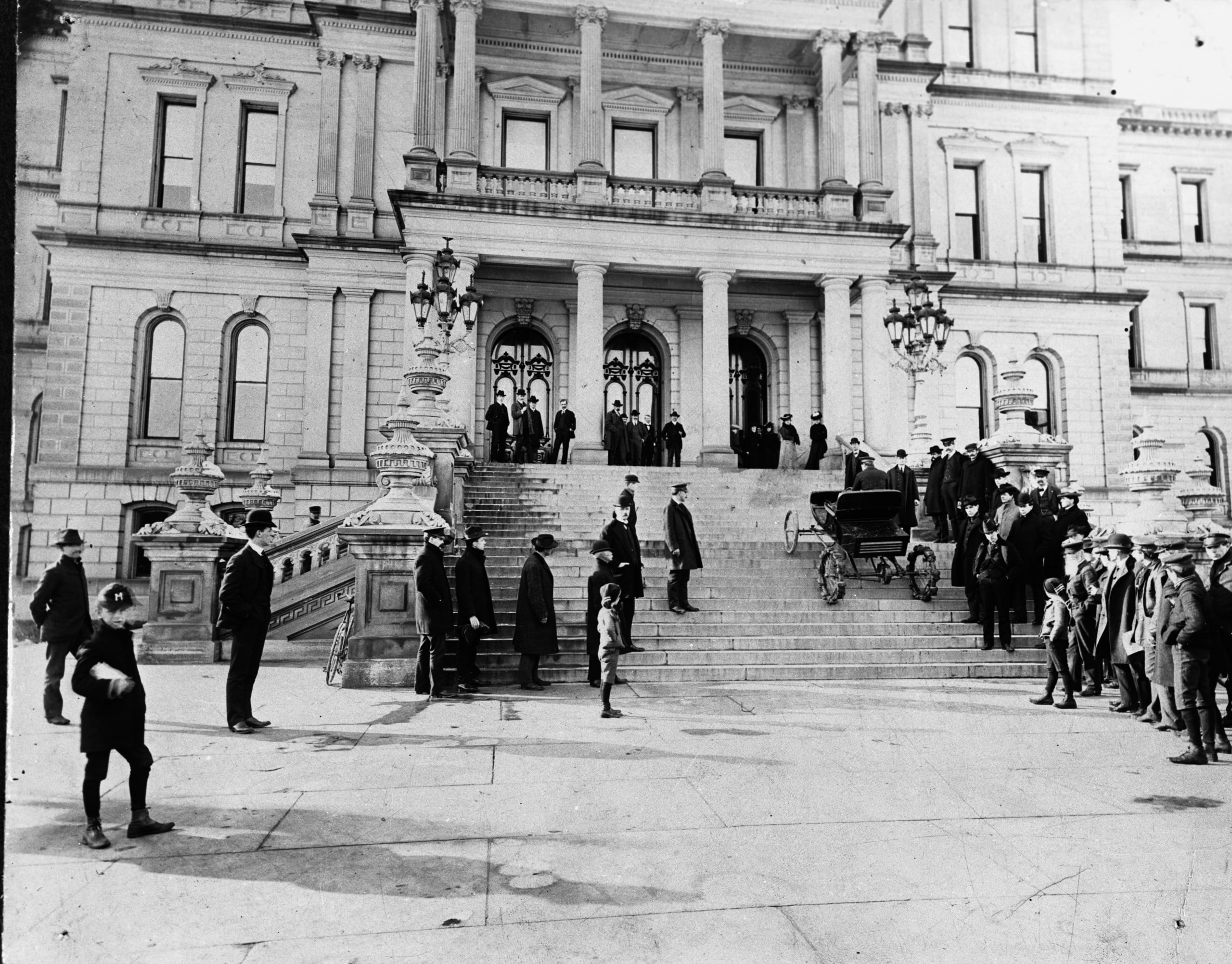
The first documented gatherings at Michigan’s current Capitol building – its third – were done in 1878 on the steps of the Capitol building even before the doors were hung, McCormick said.
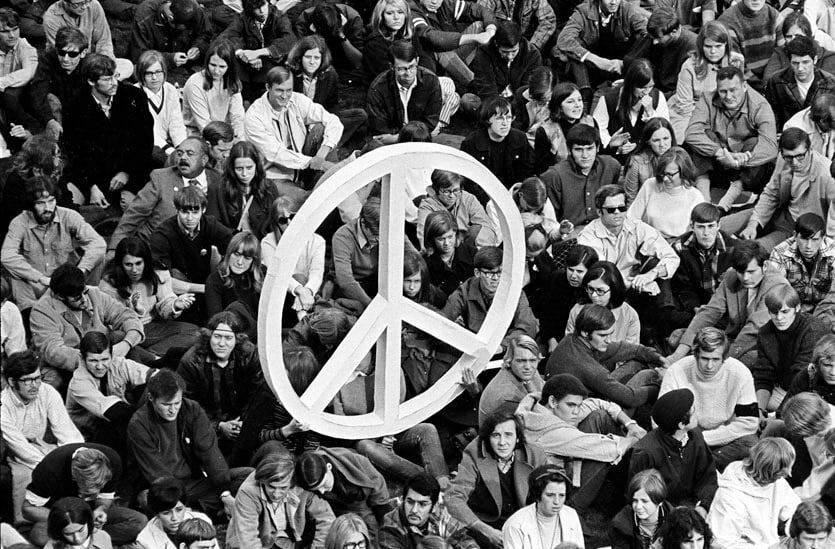
The exhibits include photos of people at what could be considered celebrations, like the dedication of the Austin Blair statue as well as more passionate gatherings like the 1937 Labor holiday in Lansing and marches from Michigan State University during the Vietnam War.
Advertisement
Images from the Historical Society of Greater Lansing’s photo exhibition showing 150 years of protests, celebrations and gatherings at the Michigan State Capitol grounds. The exhibit starts July 4 and runs through the fall. Photographs are by David Olds, Gary Shrewsbury, Ariniko O’Meara, Dave Trumpie, Raymond Holt, Matthew Dae Smith, Randy H., Jeremy Herliczek, the estate of Bonnie Bucqueroux, Mead & Jennings, Linns, Michael Quillinan, Maureen Michel, Bruce Cornelius, Michigan Daily, the Michigan State Capitol Commission and Bill Mitchum.
Those have been some of the largest gatherings at the Capitol, with tens of thousands of people likely present, but the exhibit also turns the photographer’s lenses on solitary solo demonstrations, because the First Amendment isn’t about numbers.
“The right to advocate in public spaces is baked into our democratic system and nowhere is that right more obvious than at Michigan’s State Capitol, where tens of thousands of rallies and demonstrations have occurred in the nearly 150 years since the State Capitol was constructed with the intent to use its broad lawn as a gathering place,” Castanier said.
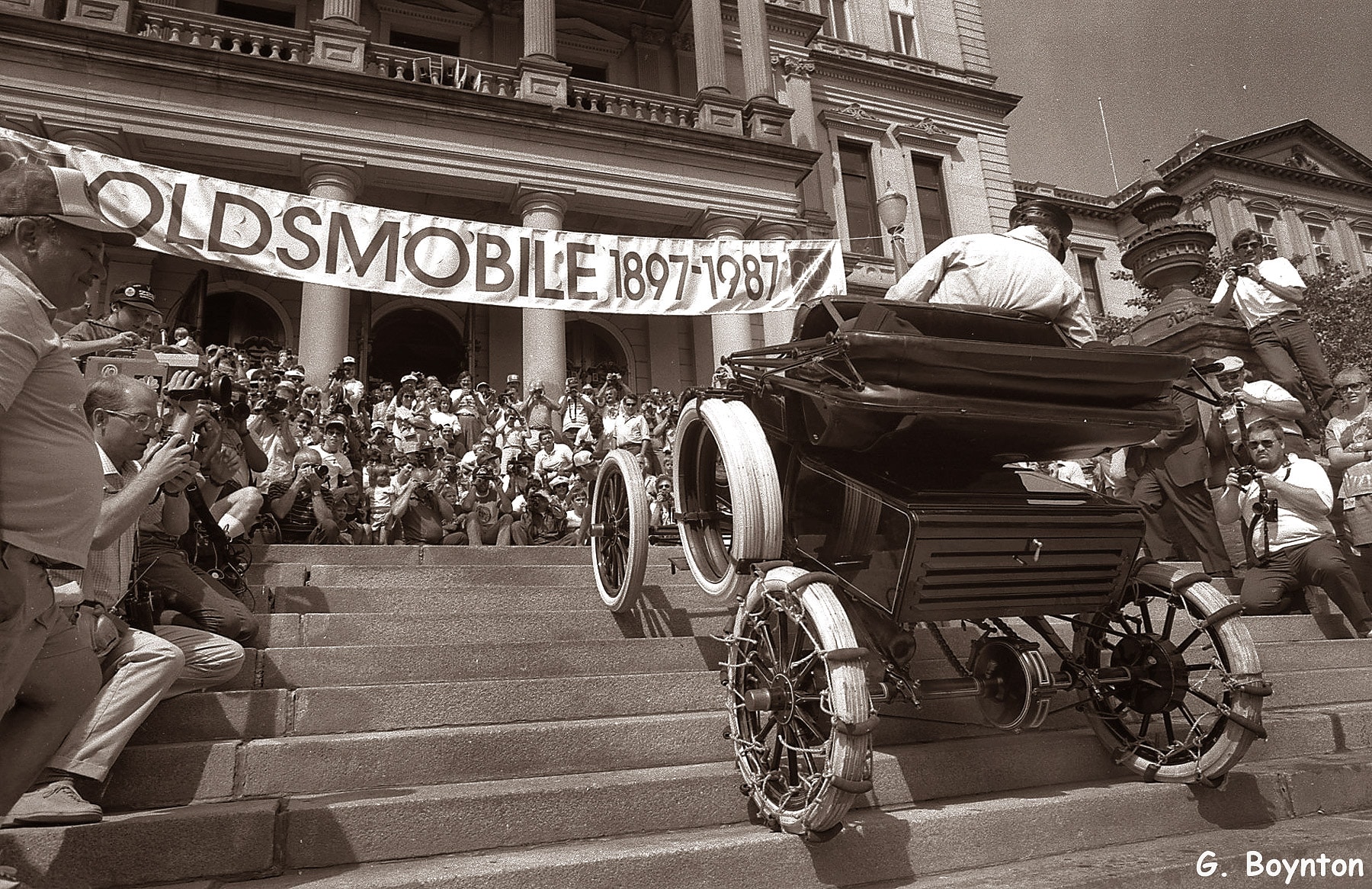
The photos will march the gamut: from peaceful and generally popular demonstrations to celebrations – like Oldsmobile anniversaries with cars climbing the stairs – as well as uncomfortable pictures of Neo-Nazi groups flexing the right of protesting.
Images from the Historical Society of Greater Lansing’s photo exhibition showing 150 years of protests, celebrations and gatherings at the Michigan State Capitol grounds. The exhibit starts July 4 and runs through the fall. Photographs are by David Olds, Gary Shrewsbury, Ariniko O’Meara, Dave Trumpie, Raymond Holt, Matthew Dae Smith, Randy H., Jeremy Herliczek, the estate of Bonnie Bucqueroux, Mead & Jennings, Linns, Michael Quillinan, Maureen Michel, Bruce Cornelius, Michigan Daily, the Michigan State Capitol Commission and Bill Mitchum.
Images from the Historical Society of Greater Lansing’s photo exhibition showing 150 years of protests, celebrations and gatherings at the Michigan State Capitol grounds. The exhibit starts July 4 and runs through the fall. Photographs are by David Olds, Gary Shrewsbury, Ariniko O’Meara, Dave Trumpie, Raymond Holt, Matthew Dae Smith, Randy H., Jeremy Herliczek, the estate of Bonnie Bucqueroux, Mead & Jennings, Linns, Michael Quillinan, Maureen Michel, Bruce Cornelius, Michigan Daily, the Michigan State Capitol Commission and Bill Mitchum.
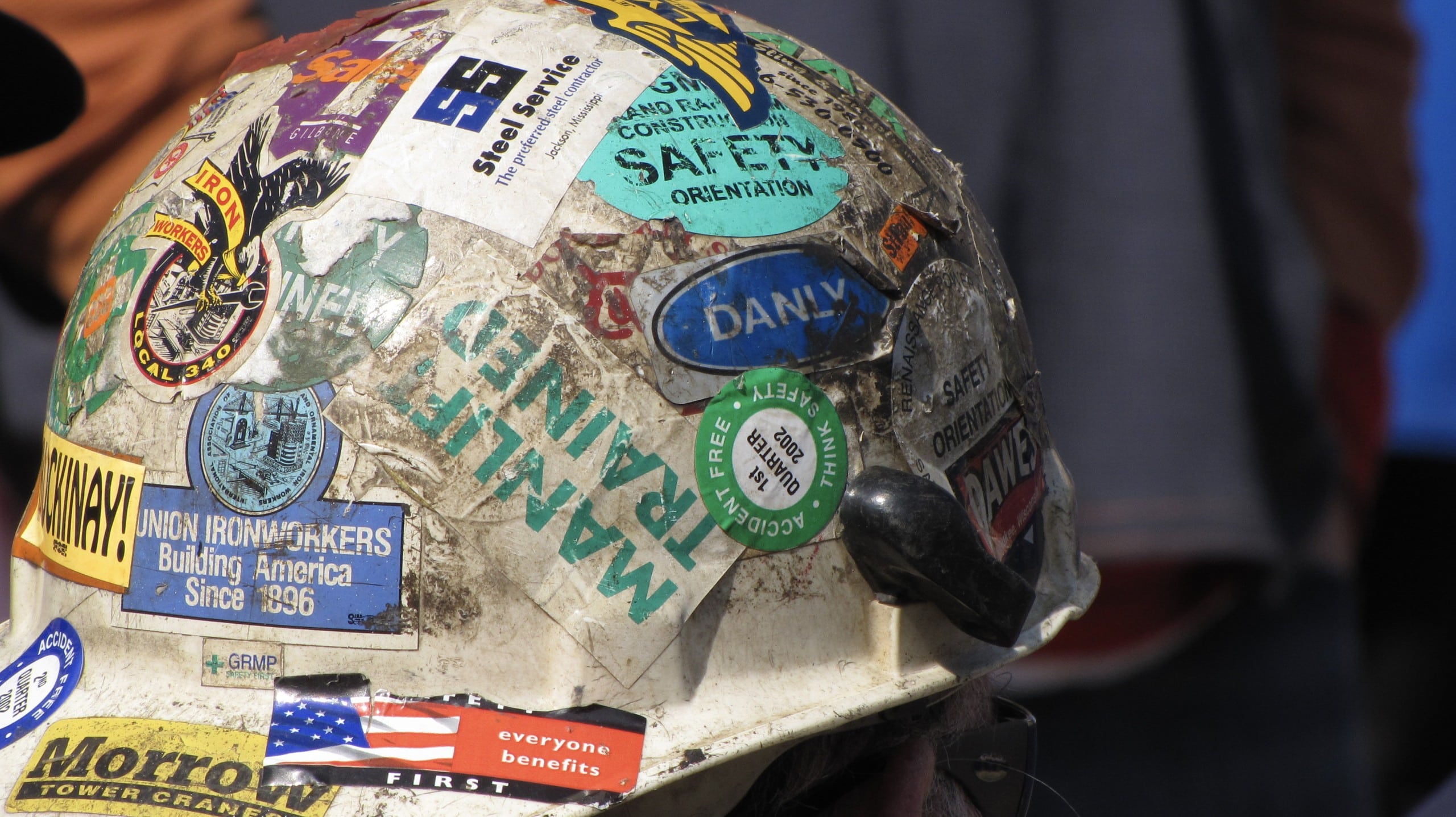
The Capitol Square has hosted John F. Kennedy, Teddy Roosevelt, governors, Joe the Plumber, anti-war demonstrators and Right to Work demonstrators, Rosie the Riveters, doctors, lawyers, teachers and sports and entertainment stars.
Even a devil-nun, Ronald McDonald and a giant inflatable Mickey Mouse make appearances.
The photos go on display on July 4 and will run through the fall at Lansing Community College’s Rogers Carrier House, the site of the Historical Society’s new museum.
“Our collaboration with America250MI helps share the inspiring stories of freedom of assembly, which have taken place at the State Capitol during its 150-year history,” Castanier said.
Part of the experience will be creating a 30-minute documentary talking with the photographers, coming later this year.
The photographers are David Olds, Gary Shrewsbury, Ariniko O’Meara, Dave Trumpie, Raymond Holt, Matthew Dae Smith, Randy H., Jeremy Herliczek, the estate of Bonnie Bucqueroux, Mead & Jennings, Linns, Michael Quillinan, Maureen Michel, Bruce Cornelius, Michigan Daily, the Michigan State Capitol Commission and Bill Mitchum.
Castanier said the exhibit will help create what is believed to be the first archive of such photos in the state and will be a valuable resource for historians and the general public to understand the Capitol as well as its celebrations and protests.
Protests
Protests were conceived in America’s founding documents, said Danielle K. Brown, assistant Michigan State University professor who has researched protests.
“They’re a space to address grievances that haven’t been addressed in the systems that are available,” she said. “It’s a healthy part of a democracy.”
The Constitution is unambiguous about allowing people that freedom, said Elizabeth Faue, a Wayne State University history professor and director of Labor@Wayne, whose research includes activism by teachers and nurses.
“The Constitution is unambiguous about your rights but there are lots of steps,” she said. “I think right now there is certainly a perspective by some in the (Trump) administration – and I don’t know how passionately it’s held because we’re in a time of testing the boundaries – but it says that criticism of the government is illegal. It’s not. Part of this is defining what loyalty to the nation is. Is it defined as loyalty to a person or a party or to specific principles beyond the Constitution? And what is freedom and what are our rights? These are all political debates that go far back in our history.”
American protesting is at risk right now, said Jack MacQuaig, a history teacher and union activist who has been involved as a community organizer with Rent Is Too Damn High as well as environmental justice groups and as an organizer at Michigan State University.
He said that his earlier activism in college was often treated with “kid gloves” and generally dismissed or ignored, easy to whistle and walk past. Starve the argument by not giving it attention.
What MacQuaig sees now is a dramatic shift, with authorities being more eager to get on the offensive side, to remove and punish agitators instead of looking past them.
“Where we’re at now is that the rights are definitely under attack, things are getting more difficult especially depending on who you are and what you’re protesting,” he said. “Over the last 60 years, protest had gotten institutionalized, but now it’s being litigated and we’re at: do we actually like dissent in our country or not?”
MacQuaig said incidents like the killings of Renee Good and Alex Pretti and the Department of Justice indictment of eight pro-Palestinian activists following University of Michigan protests are some of many ways that protest rights are at risk.
He said the large protests are, on one hand, heartening, and his study of history shows examples of rights being restored, but he has been frustrated by the lack of change as well.
“We’ve seen multiple occasions where we’ve had record-breaking numbers of people out in the streets demonstrating, including in 2020, Black Lives Matter,” MacQuaig said. “I think when I was growing up you had the idea of protests given as part of our culture in this country and I think that people have seen going out into the streets as part of our culture in this country.”
How to have an effective protest
And one of the biggest misconceptions is that protests are disruptive, Brown said.
Disruptive protests wouldn’t garnish good will; it’s a core lesson of Martin Luther King Jr. and the Civil Rights Movement and many others that have followed.
For all the millions of people who have demonstrated, protested or celebrated on the state Capitol grounds and the hundreds of events each year, the city is hardly ever disrupted and even at the peaks of the biggest of events like the recent No Kings II protest, most of city life goes on even just blocks away from the Capitol.
“The number one thing protesters should know is that most people aren’t disrupted by a protest,” Brown said. “The vast majority aren’t going to be disrupted, which is what makes them effective. So it’s important that that media coverage includes what the protest is about.”
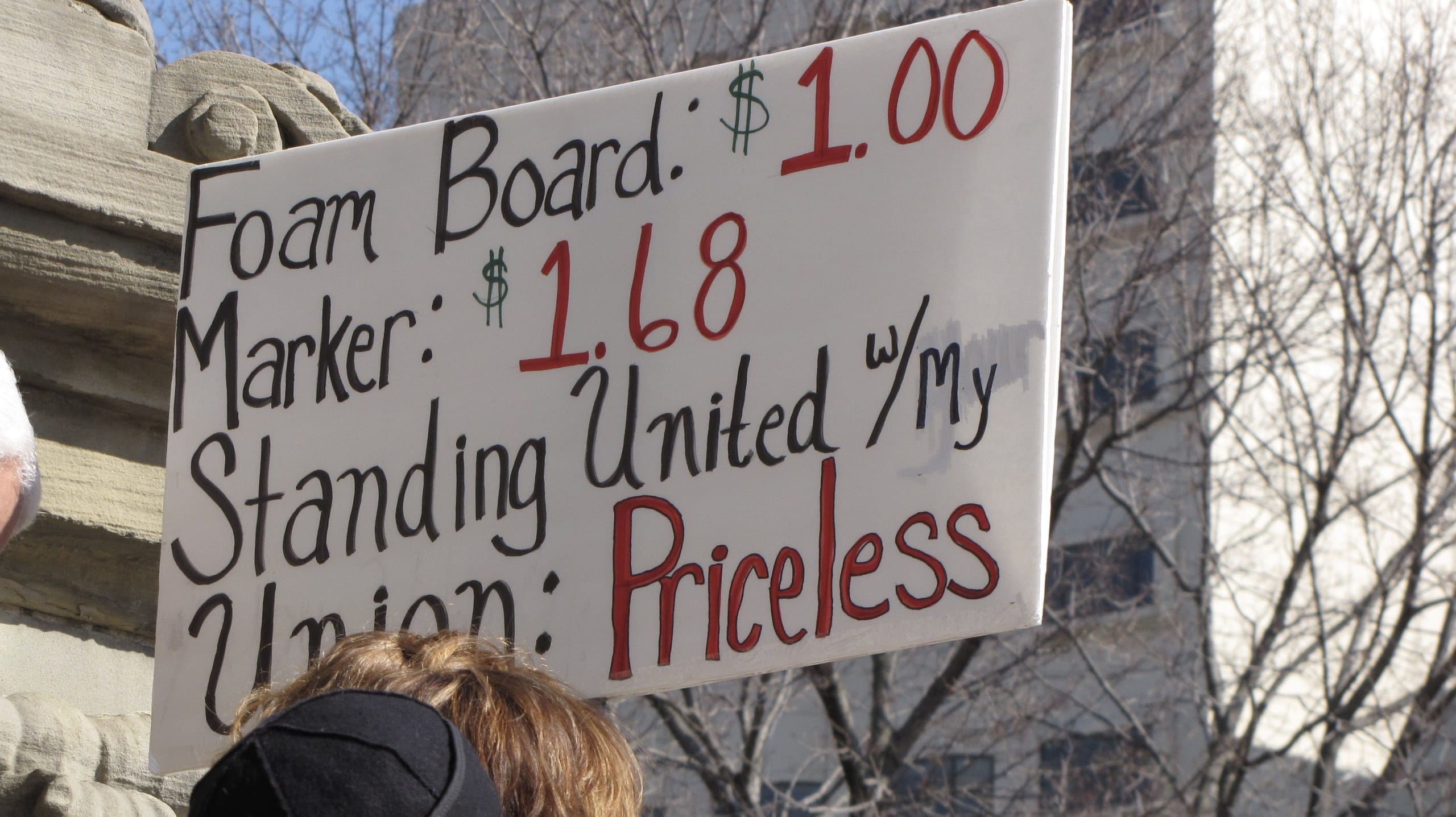
Signage has emerged, or continued to be, a huge part of protests with news coverage often focusing on clever signs, Brown said.
“It’s a really good way of getting your message out and showing the diversity of a crowd,” she said. “They’re upset at the same thing at the core but everyone is coming with different entry points.”
MacQuaig said connecting to people outside of protests is essential to carry on the protest messages too. Large movements like the Arab Spring and Occupy movements spread through social media and he expects the same for other movements today simply because posts on street signs aren’t as effective.
“I think people have started to move towards deeper methods of organizing and dissent; there’s a return of people trying to form new political parties with the rise of the DSA and a big return of the unions and other organizations meant to organize people along structural power instead of just numbers,” he said.
Meet people who are interested in the same ideas, read about the concepts and build more connections, MacQuaig said.
“I wish it was a little easier,” he said, “but that’s really the only way, having real connections and real ties to the people you’re working with is how we go forward.”