Bus services to get cut and utility bills set to rise again in Greater Lansing
Bus services in Lansing are shrinking and utility bills will probably get higher, according to leaders of the Capital Area Transportation Authority and the Lansing Board of Water and Light.
Leaders for both organizations, speaking to Lansing City Council members during a Committe of the Whole meeting on Monday, pointed to their peers around Michigan and in other big cities and said Lansing’s residents are getting a far better deal than others.
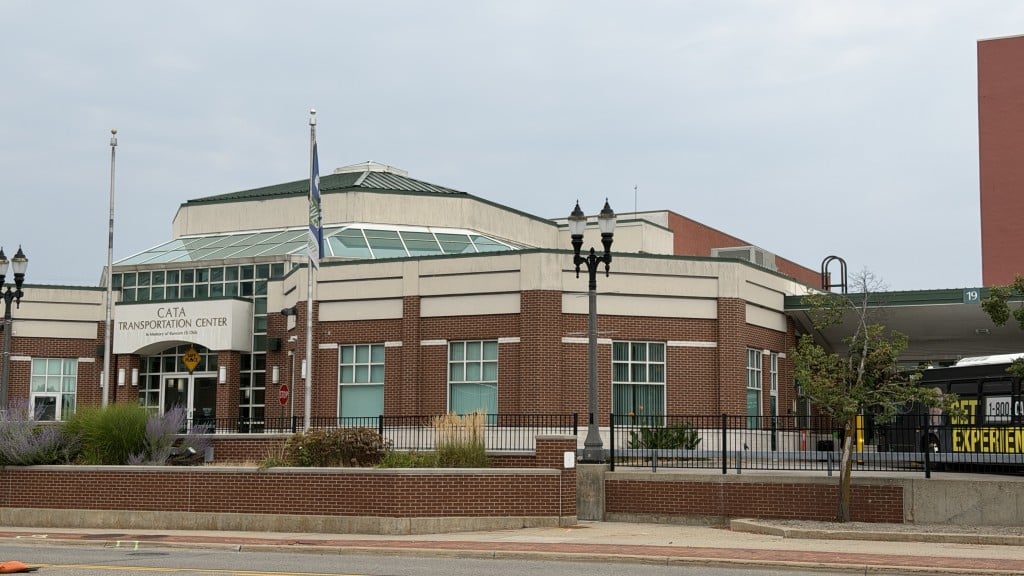
Bus services getting reduced in Greater Lansing
At least half a dozen bus routes affecting Lansing riders are expected to change on Aug. 24.
CATA is cutting some services and plans to cut about 8% of its budget, as pandemic funds dry up.
The routes that are affected range from tweaks to the frequency, to changing the type of vehicle used and in a few cases switched or dropped routes.
Anything being reduced, or in some cases cut, had low ridership, said Brad Funkhouser, CEO of CATA.
“I think that’s the direction it’s going to go for the next couple of years,” Funkhouser said, citing the end of pandemic funding.
CATA has publicly projected, for at least a year, that it would likely need to trim services in mid-2026, so these reductions were expected and have included public meetings.
The cuts will mean schedule changes or service reductions for routes 1, 9, 18, 20 and 46 and 48.
See the full changes here:
https://www.cata.org/news/cata-announces-aug-24-service-changes-following-public-input
Funkhouser said the changes to routes, which is part of an annual tweaking based on ridership, are a short-term solution. The longer-term solutions being studied will include different vehicle types and types of services for riders, he said.
Council Member Deyanira Nevarez Martinez said she wanted to speak up for her Michigan State University students, who are not excused from class if the bus gets them to her classroom late.
Students may not be eager to attend the public comment meetings CATA hosted prior to the changes, she said.
Funkhouser said that’s true, and it’s also a bit curious to expect people who ride the bus to go to meetings in person, so one of CATA’s main methods is to do frequent bus listening sessions with CATA workers riding the bus to talk to riders, from students to elderly and beyond.
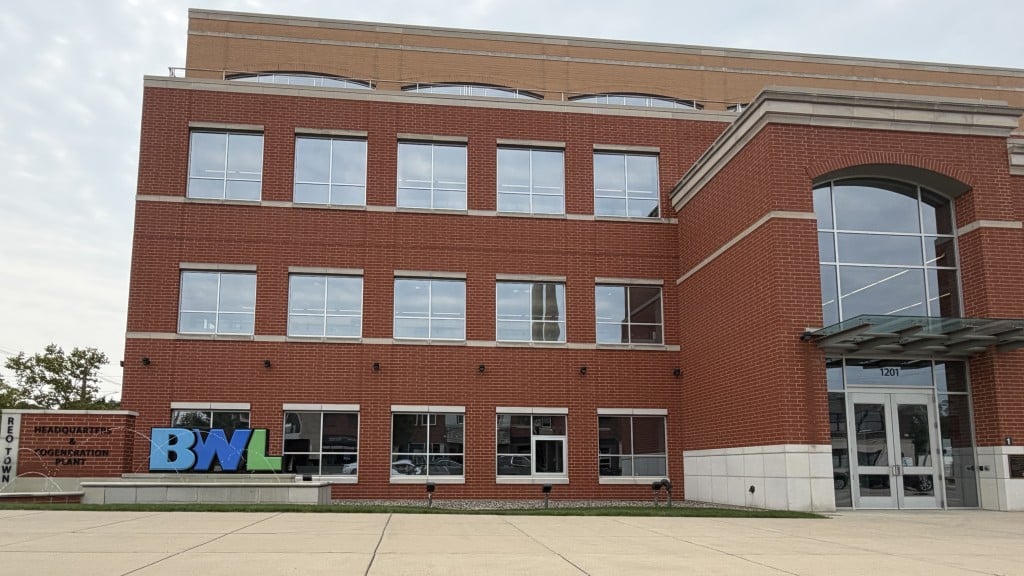
Lansing Board of Water and Light is proposing another rate increase
Lansing’s city-owned utility is proposing a rate hike this year, which would make it five years in a row.
BWL’s board will consider the proposal during a Tuesday meeting; visit lansingcitypulse.com for updates.
BWL is seeking to get a 2.1% rate increase for electricity for residential customers, or about $2 a month for the average customer, according to the utility. And a 2.4%- 3% increase for water for residential customers, or about $1 a month for the average customer, according to the utility.
The utility has increased water and electric rates every year since 2021, when it was paused during the pandemic.
Cumulatively, the increases, if approved, would amount to about 42% more since 2021 for water and about 20% more for electricity.
BWL CEO Dick Peffley said the increase reflects rising labor and material costs and are far lower than the 10% increases facing three-quarters of Michigan residents.
Consumers Energy had a 6% rate increase and DTE had a 4% rate increase this year.
The average U.S. energy rate increase over the past quarter century is about 2.8% a year, according to the U.S. Energy Information Agency but rates in the past five years have been more than twice as high.
The Michigan Public Service Commission recently released a report with recommendations that could help to restrict annual high electric rate increases by utilities including DTE and Consumers Energy. The state regulatory body oversees investor-owned utilities like the two biggest providers in Michigan but municipality-owned utilities like BWL are not subject to the same state oversight and are overseen by a local board.
Nevarez Martinez questioned why industrial and large utility customers were paying a smaller percentage increase.