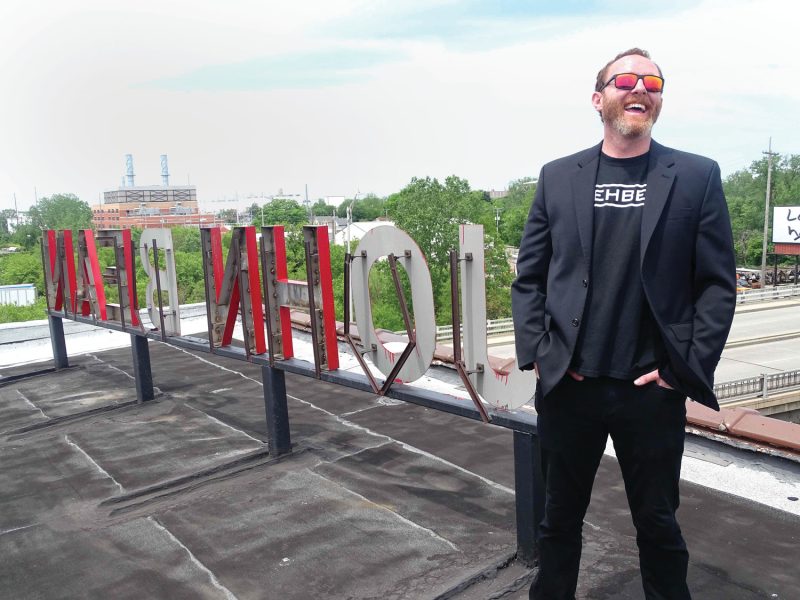
Can new CEO Bryan Lloyd wash the ‘corporate’ off Skymint?
Lansing’s cannabis district is used to a little haze, but as we slog through the end of March, the fog over the local market is getting thick. For years, Skymint (formerly Green Peak) was the …
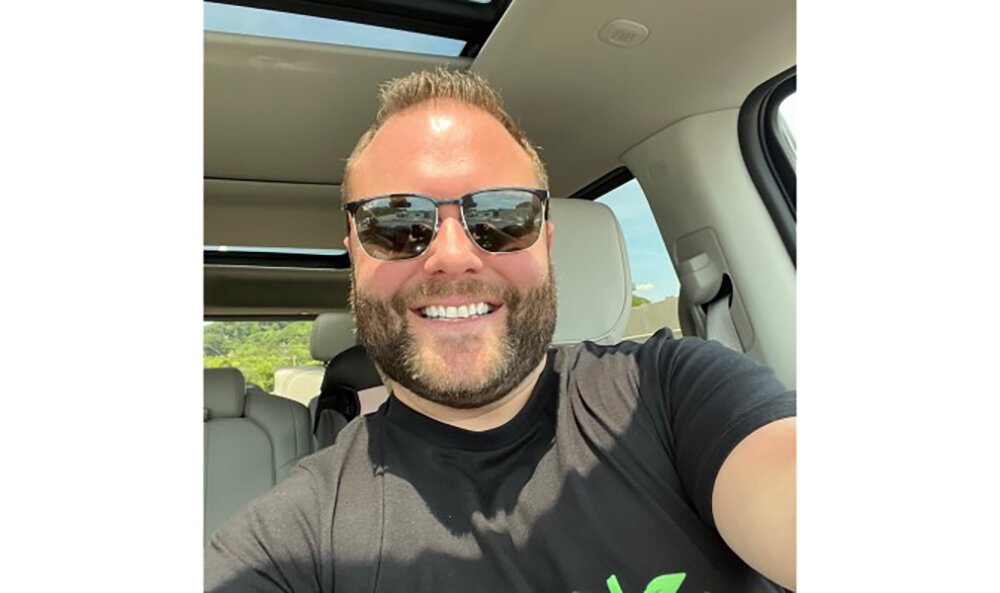
Lansing’s cannabis district is used to a little haze, but as we slog through the end of March, the fog over the local market is getting thick. For years, Skymint (formerly Green Peak) was the undisputed Goliath of the Michigan scene — an empire built on aggressive expansion, private jets and a brand identity that often felt more like a faceless corporate invader than a local partner.
I’ll be the first to admit it: I disliked Skymint and Green Peak for what they did to caregivers. Their high-priced lobbying efforts to dismantle the caregiver system, paired with a perceived hubris that seemed to look down on the pioneers of the medical market, made them, to many, the ultimate villain. By the time they spiraled into a $127 million receivership crisis, it felt less like a tragedy and more like a reckoning.
But as we move into 2026, a new face is leading the effort to dig Skymint out of the rubble. Enter Bryan Lloyd, a 40-year-old Michigan native originally from DeWitt. In a recent interview, Lloyd didn’t lean on the flashy “lifestyle brand” tropes of his predecessors. Instead, he preached a sermon of operational discipline and a return to the absolute fundamentals of business. In my opinion, Lloyd has genuinely helped turn things around — not just for the company’s books, but for its very soul.
The architect of turnarounds
Lloyd isn’t just a local face; he’s a seasoned operator with deep roots in retail management and sales operations. At 40, he brings a disciplined business logic that was sorely lacking during the company’s “spend-first” era. His background in complex retail environments — including stints at Dick’s Sporting Goods and major management companies like GTI and Jushi — lets him manage high-volume sales while keeping overhead lean. He isn’t guessing; he’s applying business operations experience to a company that previously operated like a venture capital experiment gone wrong.
Tearing down the ‘golden tower’
Lloyd’s approach is a 180-degree turn from the previous regime’s “growth at any cost” philosophy. He has done away with the traditional corporate office, opting instead to run the company from the ground floor. For Lloyd, the turnaround is personal and hands-on, requiring a level of oversight that doesn’t happen from a boardroom.
“I’ve gone to great lengths to make sure this company is running the best way possible,” Lloyd told me, saying he is personally looking over every single cost and line item. By scaling down to roughly 18 stores, Lloyd is betting that a smaller, more focused Skymint can survive a market that is being squeezed from every direction.
The ‘everyday value’ promise
Perhaps the most significant shift under Lloyd is his aggressive pivot toward the value consumer. He’s now competing directly on price, bringing many of Skymint’s core items down to the most competitive levels the market has ever seen. He calls this his “everyday value” strategy — a far cry from the “boutique” aspirations of the past.
“We are leaning into what the customers are actually demanding,” Lloyd said. Despite the new 24% wholesale tax that is crushing the industry, Lloyd is adamant about shielding his customers. He told me he will not pass the 24% tax cost on to consumers. In a landscape where many shops are hiking prices just to keep the lights on, Skymint is eating that cost to ensure its “everyday value” remains more than just a marketing slogan.
Vertically integrated control
A major part of how Lloyd is pulling this off is through Skymint’s vertically integrated model. By controlling its own house brands from seed to sale, the business can absorb those massive wholesale tax hits in ways that third-party retailers simply can’t. This vertical integration allows Lloyd to maintain strict quality control over the flower and concentrates while cutting out the middleman markups that usually drive up retail prices. It’s the engine under the hood that makes the “everyday value” promise possible without bankrupting the farm.
The ghost of the caregiver conflict
Even with Lloyd’s “native son” credibility, the ghost of 2021 still haunts Skymint. The company was once the lead voice in a PR campaign that labeled caregivers “unsafe” and “untested.” That wound runs deep in Lansing.
The irony remains that while the old leadership was attacking the “little guy,” they were reportedly using the company as a personal piggy bank. Lloyd’s challenge isn’t just fixing the balance sheet; it’s proving that the company’s new direction includes a respect for the grassroots community it once tried to legislate out of existence. Lloyd’s bluntness about the past suggests he knows exactly how much bridge building is left to do.
Building back better
Lloyd is refreshingly honest about the mistakes that nearly sank Skymint’s ship. But he still has his eyes on the horizon.
During our conversation, he made his ultimate goal clear: He wants to build the company back “better and stronger” and eventually expand once the foundation is solid. By focusing on his DeWitt roots and a refusal to tax his customers into the ground, he’s setting out to do the nearly impossible: make people like me actually root for a Skymint comeback.
The verdict
Can operational discipline and a lean budget actually bridge the gap?
Lloyd is clearly doing the hard work: visiting shops, cutting the fat and looking at the business with the eyes of an operator rather than a venture capitalist. In my opinion, if anyone can wash away the bad taste of the Green Peak era, it’s this 40-year-old from DeWitt who is willing to look at every penny to make sure the customer comes first.