The governor’s tax hike: We asked for freedom, she sent the bill
The ink is barely dry, but the stench of failure is already rising from Lansing. By the time of publication, it’s all but certain that the Michigan Senate will have followed the House’s …
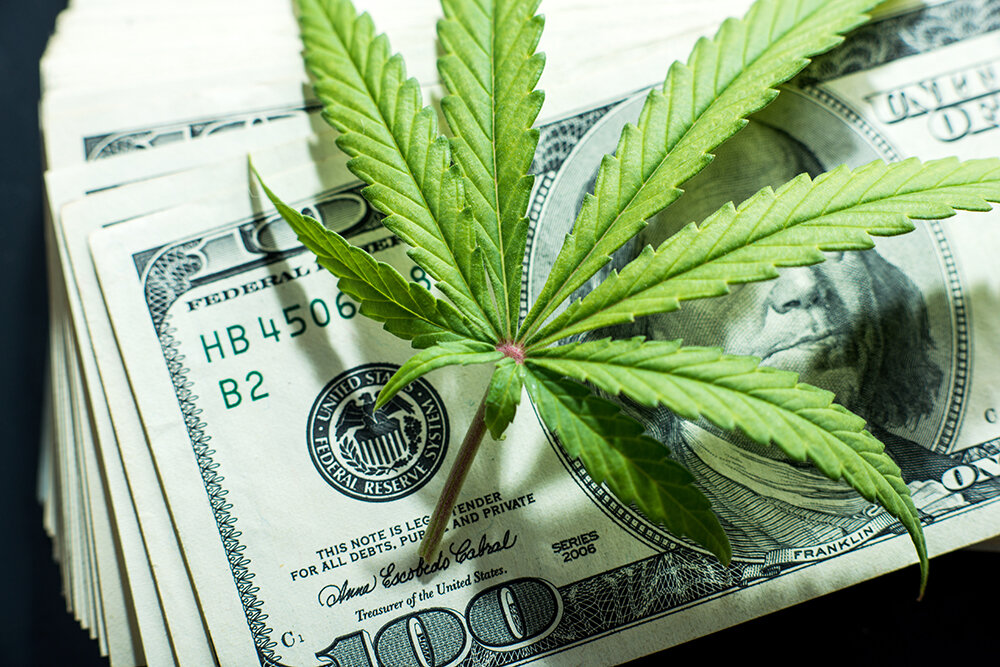
The ink is barely dry, but the stench of failure is already rising from Lansing. By the time of publication, it’s all but certain that the Michigan Senate will have followed the House’s lead and passed the Comprehensive Road Funding Tax Act, a piece of legislation so cynical that it should be featured in textbooks on political malpractice.
Let’s be clear about who’s to blame for this disaster: Gov. Gretchen Whitmer. This entire mess began with her initial proposal for a 32% wholesale cannabis tax. The 24% tax now on the table is only a “compromise” because the governor’s first shot was aimed even higher at our throats. She let her allies in the Legislature haggle down to 24%, then positioned herself as the budget hero while making the cannabis industry the state’s official ATM.
The governor’s office, eager to claim a road funding win without the courage to raise taxes on everyone, decided the easiest target was the only industry in Michigan that asked to be regulated and has delivered a multi-billion-dollar economy. This isn’t about fixing the roads; it’s a political money grab that sacrifices the regulated cannabis market to protect Whitmer’s poll numbers.
Piled atop the existing 10% retail excise tax and the 6% sales tax, we’re looking at total effective tax rates that will catapult Michigan to the second-highest-taxed cannabis market in America.
The central failure of this entire budget strategy is its willful ignorance of market reality. Lansing politicians live in a fantasy land where business owners simply absorb a massive cost increase like this. That cost rolls downhill, gathering mass like a bureaucratic snowball, until it slams into the one person who can’t deflect it: the consumer.
Suddenly, that $30 eighth becomes $40 or more. That edible you enjoy becomes a luxury you think twice about.
Ask yourself: When the legal product, rigorously tested and regulated, is priced at such a premium, and the unregulated, untaxed product is available for half the cost, where do you think the average consumer will go?
Back underground. Straight into the arms of the criminal market voters explicitly told the state to put an end to when they passed the Michigan Regulation and Taxation of Marihuana Act.
This is a lesson already learned and rejected by other states. Just last week, while our lawmakers were busy designing their tax trap, California Gov. Gavin Newsom was signing legislation to cut cannabis taxes, explicitly stating the rollback was necessary to save the legal industry and allow it to compete against the flourishing illicit market.
California, the largest legal cannabis market in the world, is hitting the brakes on high taxes. Michigan is flooring it right over the cliff.
Whitmer is putting her signature on the death warrant for small- and medium-sized businesses. The corporate giants will survive, shifting costs, enduring the red ink and waiting for the smaller operations to fail. But the local growers, the independent processors, the small-town dispensaries — many of which are already operating on razor-thin margins — will be eliminated.
The result is simple: We lose jobs, we lose investment, and we lose the integrity of the regulated supply chain. This tax will not generate a reliable $420 million for roads; it will generate business closures, job losses and a massive migration back to the black market, ultimately undercutting the very revenue goals it was supposed to achieve.
The voters asked for safe access. The industry delivered an economic boom. The governor is rewarding that success by sending a clear, chilling message: When you become profitable, we will seize so much of your revenue that the whole damn thing collapses.
But the story isn’t over. Not yet.
If the Senate passes the bill, the clock then starts ticking for the governor to act. She may have initiated this cynical tax grab, but she still holds the ultimate power of the veto.
This is the moment of truth. If the governor allows this bill to become law, she’s not just fixing roads; she’s officially killing the Michigan cannabis experiment. She will have personally chosen to cripple a $3 billion industry, destroy thousands of jobs and empower the black market — all to avoid a difficult conversation about general fund budget reform.
This is not the time to call your senator. It’s too late for them. This is the time to go straight to the source.
The call to action is simple and urgent: Call the governor’s office. Demand a veto of the Comprehensive Road Funding Tax Act.
Tell her that her road to victory is paved with the corpses of legal businesses. Tell her that the legacy of cannabis legalization in Michigan should not be one of shortsighted greed.
Do it now. Before her pen moves, and the lights start to turn off across Michigan.