The green graveyard expands
The ground continues to shift beneath Michigan’s cannabis industry, and the latest vibration is a seismic one. Multi-state operator TerrAscend Corp. is making a complete withdrawal from the …
TerrAscend makes full retreat from Michigan, once-dominant Gage Cannabis among the casualties
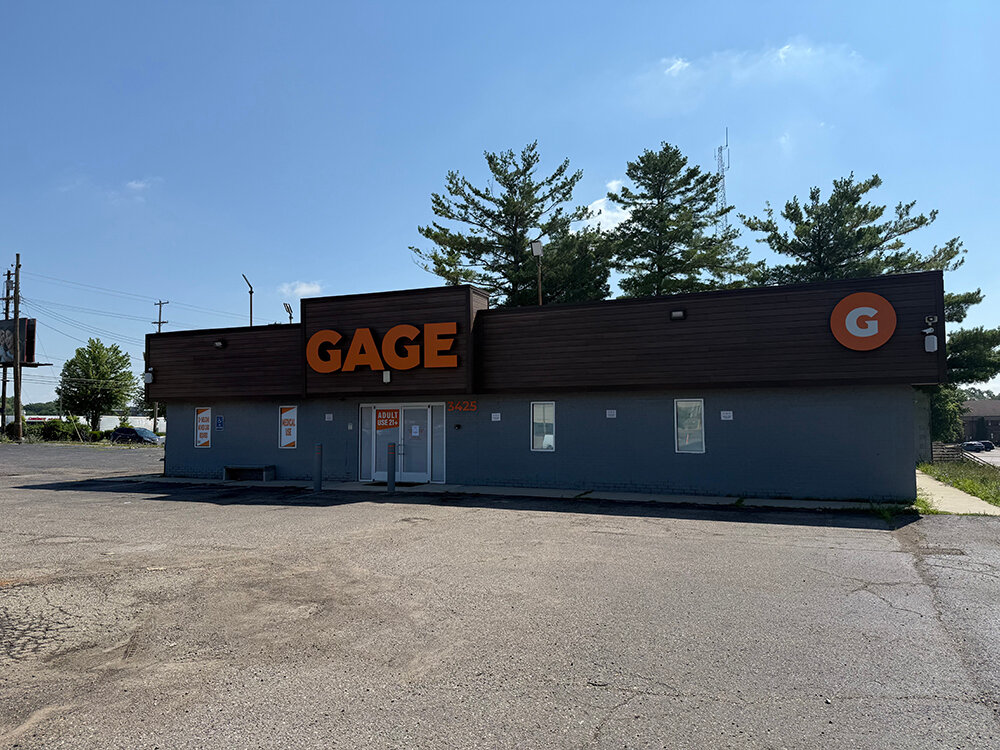
The ground continues to shift beneath Michigan’s cannabis industry, and the latest vibration is a seismic one. Multi-state operator TerrAscend Corp. is making a complete withdrawal from the state, shuttering all 20 of its dispensaries, including its once-dominant Gage Cannabis and Pinnacle Emporium locations and its Cookies- and Lemonnade-branded stores. This is a brutal testament to the cutthroat realities of a market that has devoured even some of its biggest players.
TerrAscend, a publicly traded MSO with significant investments, isn’t merely downsizing. It’s pulling the plug entirely on its Michigan retail footprint and its four cultivation and processing facilities. While the official press releases cite “strategic realignment” and “resource optimization,” the message is clear: Michigan has become a money pit. TerrAscend’s 2024 sales showed a decline from the previous year, and the company’s Michigan operations were clearly a significant drag on its overall financial health.
“Michigan is an extremely difficult market, and we have come to the realization that our resources can be better utilized in our other markets,” Executive Chairman Jason Wild said. The capital expenditure that went into acquiring Michigan assets, including the whopping $545 million paid for Gage Growth Corp. in 2022 and subsequent investments in Pinnacle, is being written off as a necessary, albeit painful, casualty. This decision alone will result in approximately 250 Michigan workers losing their jobs and a 21% reduction in TerrAscend’s overall workforce.
This mass exit is far from an isolated incident; it’s symptomatic of systemic issues plaguing Michigan’s cannabis market, which, despite its early promise, has devolved into a brutal arena. The reasons for TerrAscend’s demise, and the struggles of countless other operators, are painfully clear and widely felt across the state:
The unrelenting wholesale price plunge: The heady days of high-margin flower sales are over. An explosion of licensed cultivators, combined with existing operators scaling up their production, has led to a staggering oversupply of cannabis. This glut has driven wholesale prices down to unprecedented, and often unsustainable, levels. For many cultivators, the price per pound has dipped below their cost of production, making it a near-impossible task to turn a profit. It’s a relentless race to the bottom, where only the most efficient, well-capitalized or uniquely positioned operators stand a fighting chance. This downward spiral in wholesale pricing is arguably the single most devastating factor for many Michigan cannabis businesses.
The razor-sharp edge of competition: Michigan’s market is fiercely competitive, with dispensaries seemingly locked in a perpetual price war. MSOs like TerrAscend, armed with considerable financial backing and an initial strategy of aggressive expansion, further intensified this competition by flooding the market with their vertically integrated house brands and attractive licensed products. This, in turn, compressed prices even further, making it incredibly difficult for smaller, independent operators to compete with pricing, shelf space or marketing reach.
The big squeeze — everyone’s drowning, but the landlords are laughing: While statewide cannabis sales figures might suggest a booming industry, the unfortunate truth for most operators is a painful lack of profitability. Sales per individual store are steadily declining, even as the overall number of dispensaries continues to skyrocket. The only entities consistently thriving in this environment are the landlords, who collect their rent regardless of how many ounces are actually moving through the doors of a struggling dispensary. Cultivators, processors and retailers are all caught in a relentless struggle, fighting for scraps in an increasingly lean and saturated market. The vast amounts of capital poured into building these cannabis empires, from state-of-the-art cultivation facilities to prime retail locations like Gage’s highly visible storefront on Martin Luther King Jr. Blvd. in Lansing, are now significant liabilities for those pulling out.
It’s important to note that while TerrAscend is vacating Michigan, the popular brands associated with the company, such as Cookies and Lemonnade, aren’t necessarily gone from the state. For instance, the Cookies location in Grand Rapids is “powered by NOXX,” indicating it’s not directly owned or controlled by TerrAscend. This highlights the complex, multi-layered nature of licensing in the cannabis industry. We can expect that the licenses being relinquished by TerrAscend will eventually be acquired by new operators. This means that while these particular retail operations under TerrAscend’s umbrella are dissolving, some brands may very well resurface in Michigan under different ownership and management.
TerrAscend’s comprehensive withdrawal from Michigan serves as a harsh lesson for the wider cannabis industry: The days of easy money are over. This isn’t just about a single MSO failing to gain traction; it’s a testament to the unforgiving economics of an oversupplied, hyper-competitive market in which only the most adaptable, well-managed or heavily funded players stand a chance. Even for these businesses, as TerrAscend’s strategic retreat demonstrates, the smartest move can sometimes be to throw in the towel and seek greener, more profitable pastures elsewhere.