
Where Do Music Creation and Audio Design Tools Stand in the AI Era
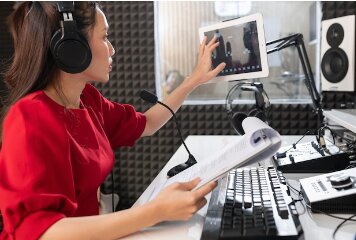
The introduction of Artificial Intelligence (AI) technology is significantly impacting one of the fastest-evolving sectors – music and audio design. It is transforming the way we think about composing and recording music. The advancement of technology comes with health-related concerns, but it’s essential to analyze how far the tools for music creation and audio design have come in this progressing AI. Starting with simple-to-use tools and understanding the fundamentals of building your AI text to music, one can remain ahead of the trend and turn their imagination into reality.
In this piece, we will discuss the impact of AI on music production, the pros and cons that come with AI-enabled instruments, and how tools like Adobe Express can be used to optimize your creativity.
How AI is Changing the Paradigm of Music Creation
With the invention of new technologies, new methods of doing tasks emerge. The technology boom drives innovation in the world of music. In that regard, the evolution of recording devices from analog to digital audio workstations (DAWs) has provided endless opportunities for creators. Industry experts consider AI to be the latest tech breakthrough as it provides automation features for the most sophisticated tasks, such as composing, arranging, or even mastering tracks.
These features make music accessible to people from all walks of life, even those without formal music training or a background in music technology. Gone are the days when one required expensive studio gear or years of training to produce high-quality audio.
AI and Its Impact on Audio Design
The design of audio content, including sound effects, voice-over work, and mixing, has greatly benefited from AI. The capabilities that AI offers allow creators to:
– Enhance audio quality automatically through intelligent mastering algorithms.
– Generate custom sound effects by describing them in simple words.
– Separate vocals and instruments for remixing and sampling.
– Create adaptive audio for use in games, applications, and sound immersion experiences.
AI’s recent capabilities have made it easier than ever to perform complex tasks. Instead of spending time and effort on editing waveforms by hand, users can rely on tools to automate the busy work for them. The Adobe suite improves accessibility for creators by allowing them to explore sound design without an engineering background.
Importance of Utilizing AI in Creating and Editing Music and Audio
The following points describe the practical uses of AI music tools in music composition and audio design.
1. Speed and Efficiency
AI has improved productivity by automating the processes of composing, arranging, and even mixing tracks. What would have required weeks of work is now achievable in hours or even minutes.
2. Wider Audience Reach
You no longer have to be a trained musician to create music. Tools allow marketers and even hobbyists to design custom musical tracks for their projects.
3. Budget Friendly
AI has done away with the need for costly studio bookings and professional producers. Independent artists are now able to maintain a reasonable budget while still producing high quality content.
4. Increased Creativity
The use of AI tools to assist in composing music often increases the range of possibilities about what is available and carries a higher chance of being innovative.
Challenges To Keep In Mind
Despite all the positive remarks, AI-generated music and audio design face several challenges:
1. Originality and Authenticity
The lack of emotional depth and originality AI generated music possesses raises concerns. Finding the proper balance between human creativity and AI is vital.
2. Copyright and Ownership Issues
Who has legal ownership over a music piece composed with the help of an AI? For both lawyers and artists, this continues to be an issue strife with controversy.
3. Over-Reliance on Technology
The risk of becoming too dependant on AI tools is that the music will lack the essence of originality, resulting in a very generic track.sinput from people remains necessary to infuse thought and emotion into every composition.
Steps to Start Creating AI Text-to-Music
If this is your first time exploring AI in music production, the good news is that getting started is now easier than ever. It is one of the many platforms that provide user-friendly guides to help get you started.
Below is a simplified guide to help get you started with the tool.
Step 1: Choose Your AI Platform
UI interfaces can vary, but ensure whichever platform you select has good reviews and offers AI features integrated into music composition. For example, Adobe Express is an excellent choice as it empowers users to easily create AI text to music.
Step 2: Input Your Text Prompt
Using natural language, specify what kind of music you wish to make. Whether it is “joie de vivre electric beats” or “soft acoustic guitar tunes”, the AI will understand the description and create music accordingly.
Step 3: Set The Output to Your Preferences
Change the tempo, instruments, mood, and any other preferences to achieve the desired output. Try various configurations to produce the sound that satisfies your needs.
Step 4: Download Your Final Version
After finalizing the output that you want, you can download the final version of the track. This new composition can be integrated into videos, podcasts, marketing materials, or other creative endeavors.
Understanding how to create and enhance AI text-to-music projects arms one with powerful creative capabilities optimally designed to suit individual needs.
AI Innovations in Music and Sound Design
The expected AI powered innovations for music generation holds great potential. Automatic composition technology will offer richer emotional nuances and more tailored options in the future. Keep a lookout for these advancements.
1. Iedereen Echt-samen
Shortly, musicians will be able to work with AI and create spontaneous compilations and intricate pieces in real time. Instant real-time songwriting is expected.
2. Highly customized audio Experiences
Advanced algorithms and AI analysis of consumer preferences and emotions will provide tailored user experience within audio on a higher degree than ever imagined.
3. Development of Enhanced Interactive Media
AI adaptive soundtracks that change in real time as the user interacts with VR, AR applications, and Games will enhance the experience.
Real World Applications of AI-Generated Music.
Implementing AI technology for music purposes is not exclusive to the future; it has already begun to take effect in many industries.
In the marketing and content creation sectors, brands are actively using the stands AI generative tech offers by incorporating AI generated pieces into their videos, social media posts and even podcasts. Businesses can now produce customized soundtracks for their marketing endeavors without the hefty cost of licensing, hence creating a unique audio brand for themselves.
Independent artists and producers have been leveraging AI themselves to broaden the scope of their creativity. They no longer require a full production crew to experiment with new genres; sketch out song ideas and even complete entire professional level albums through AI powered platforms such as Adobe Express.
The gaming sector is also another place where AI tools for music are becoming common. More games are featuring dynamic soundtracks that change according to the player’s moves for a much more captivating gaming experience. Incorporating recent concepts synchronously improves real-world application and adds value to lessons.
Conclusion:
The spheres of creating and designing music and audio are entering a new frontier. Undoubtedly, new hurdles will arise. However, for most creators seeking to work with innovative tools without incurring high costs in terms of time, money, or resources, opportunities vastly surpass obstacles. The future of music is not the sole work of humans or technology, but rather a blend of the two.
Author

Related Articles

Jokaroom VIP: a straight-talking look for Aussie players
players
Start at Jokaviproom to find new experiences and get moving. Prefer a quick taste before you commit? Try pokies like Elvis Frog in Vegas or Aztec Magic Bonanza to see the pace and …
AI without illusions: How the role of artificial intelligence in business is transforming in 2026
A few years ago, artificial intelligence (AI) seemed like something abstract, futuristic, accessible only to large corporations with gigantic budgets. However, by 2026, AI is turning into a tool for …
Pick a mascot, pick your pace
Jump into 5Gringos Casino . New punters at this 5Gringos online Casino can choose a straightforward starter match with a handful of free spins—easy to understand, handy if you want a quick try. …