Words before worms
Despite the stubborn chill, nature is springing back to life in every backyard, meadow and ditch.
That means it’s showtime, in more ways than one, at the Tollgate Drain at 1101 N. Fairview …
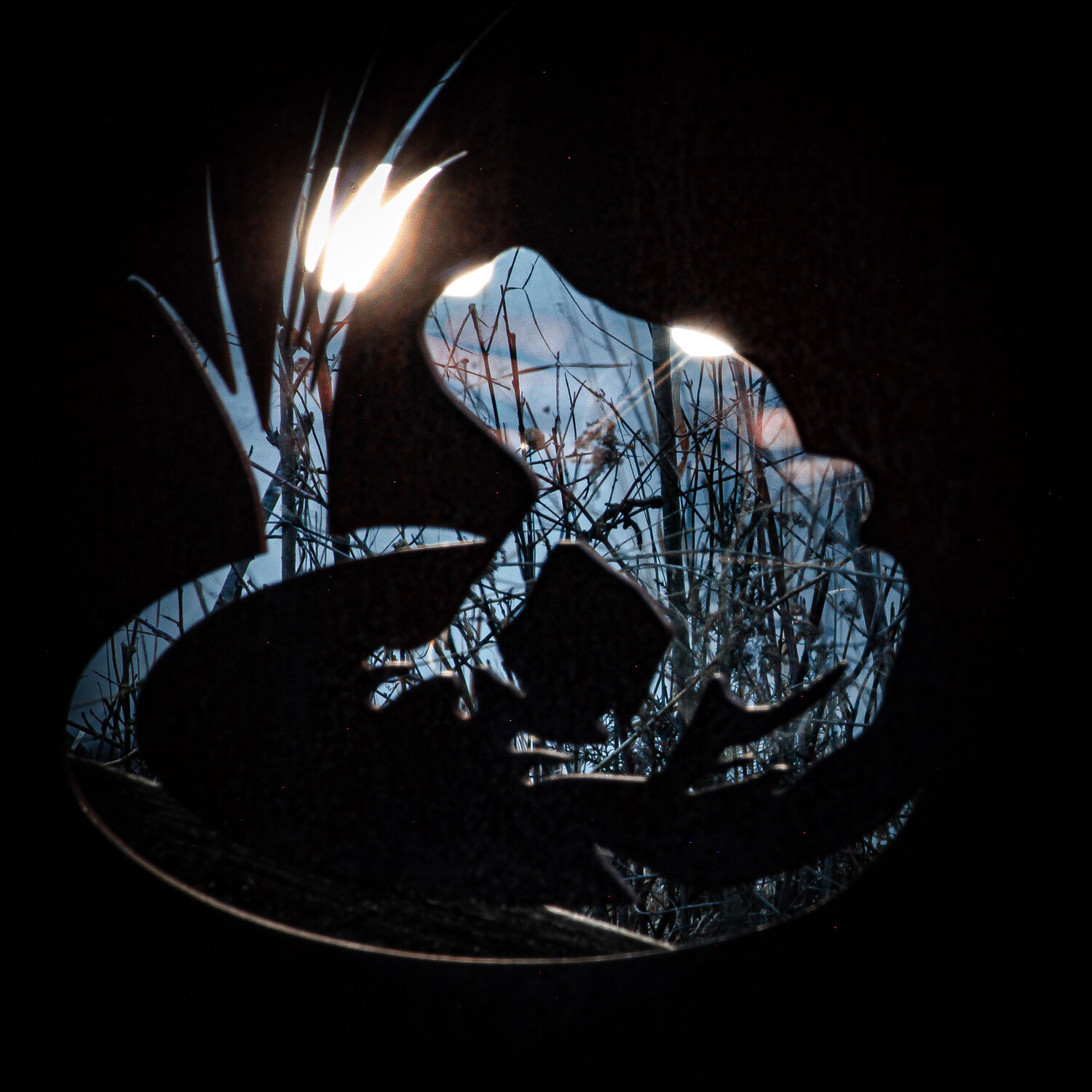
Poetry on the Pathway at Tollgate Gala Celebration
3-5 p.m. Sunday, March 29
UrbanBeat,1213 Turner St., Lansing
Free of charge and open to the public
‘We Are Water’ poetry contest winners herald spring at Tollgate Wetland
Despite the stubborn chill, nature is springing back to life in every backyard, meadow and ditch.
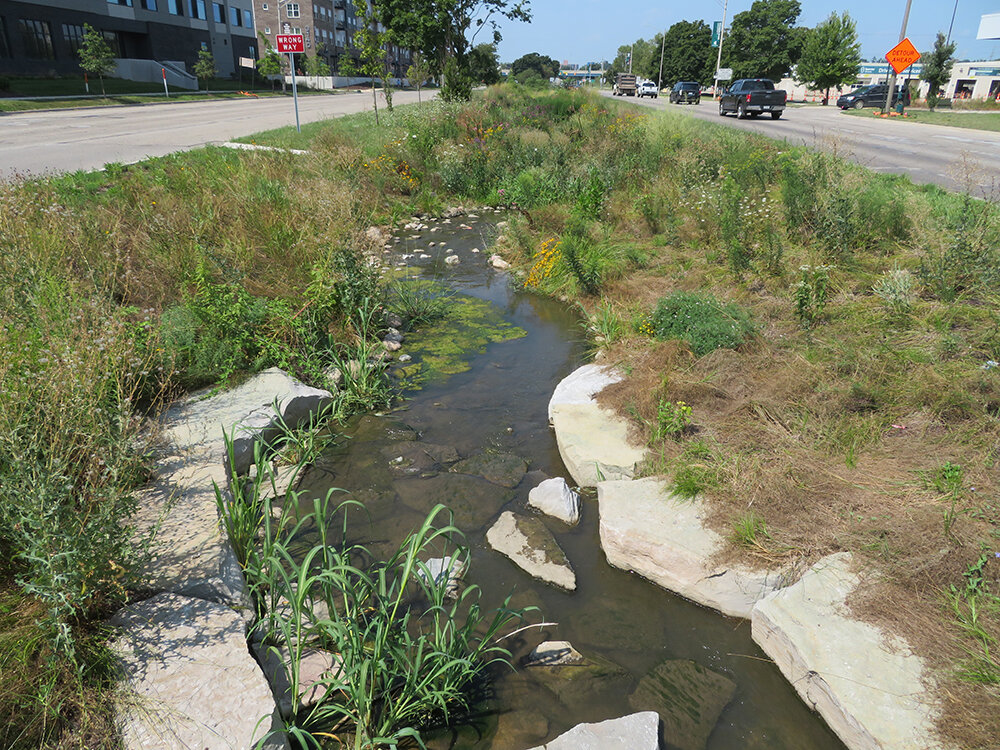
That means it’s showtime, in more ways than one, at the Tollgate Drain at 1101 N. Fairview Ave., on Lansing’s east side.
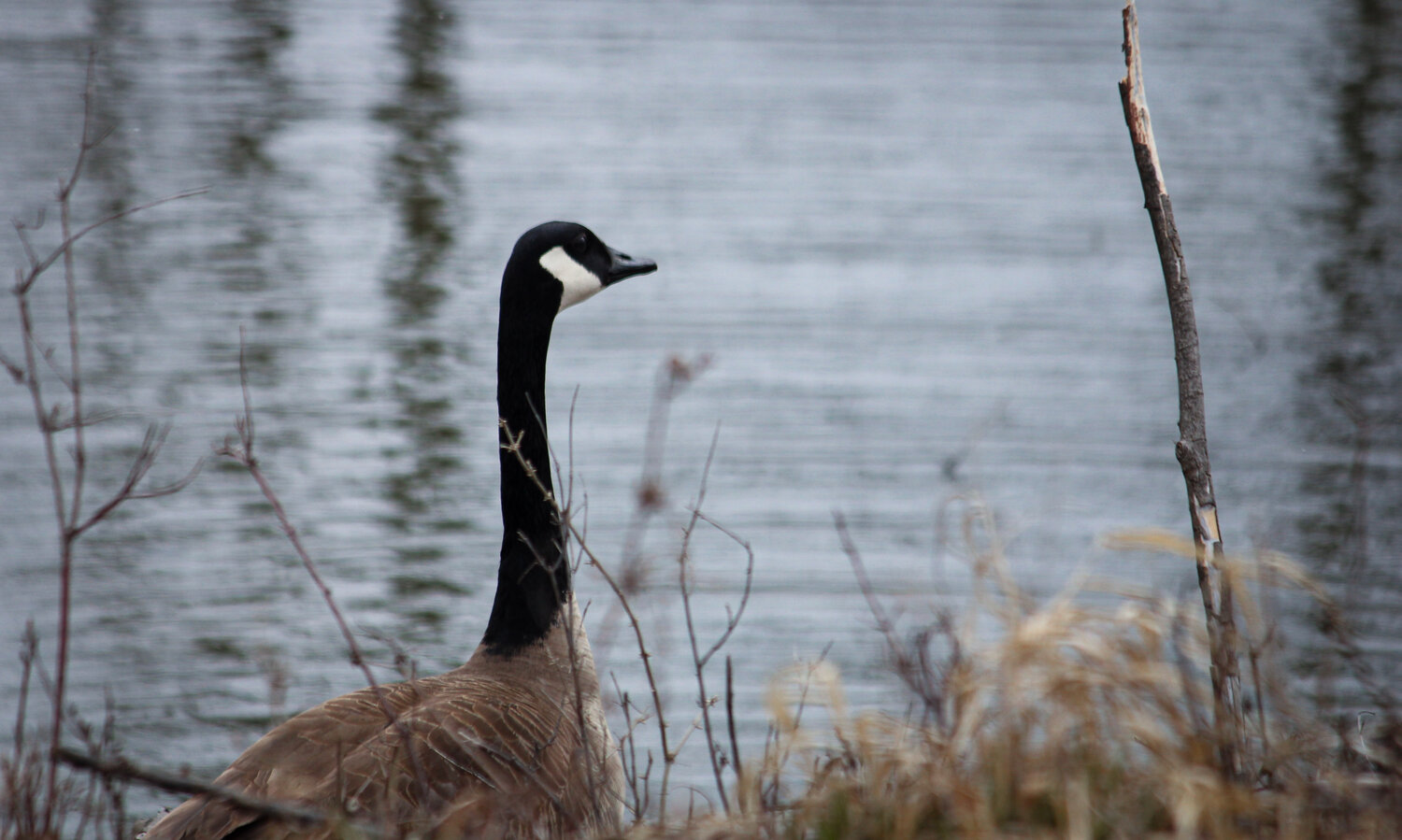
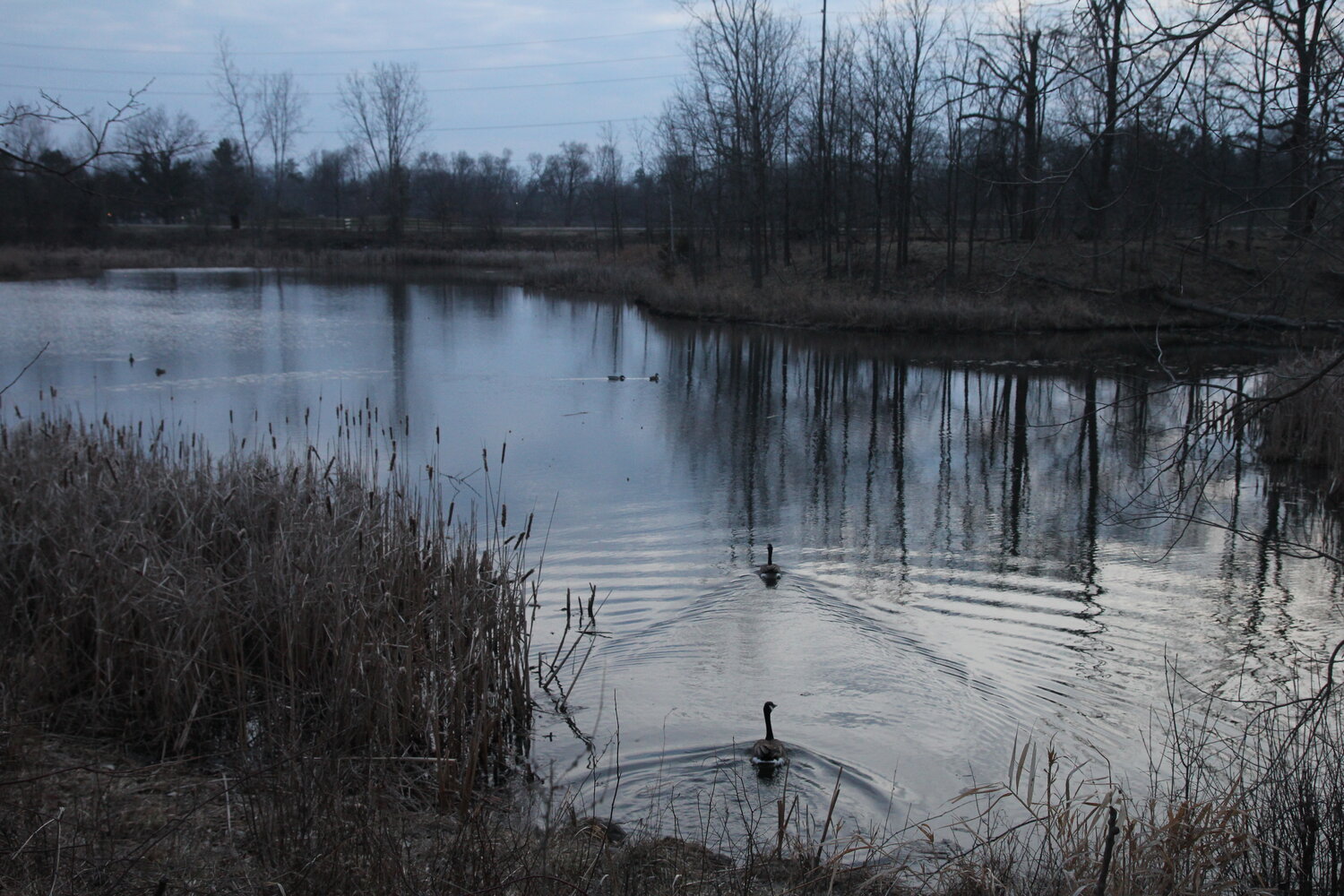
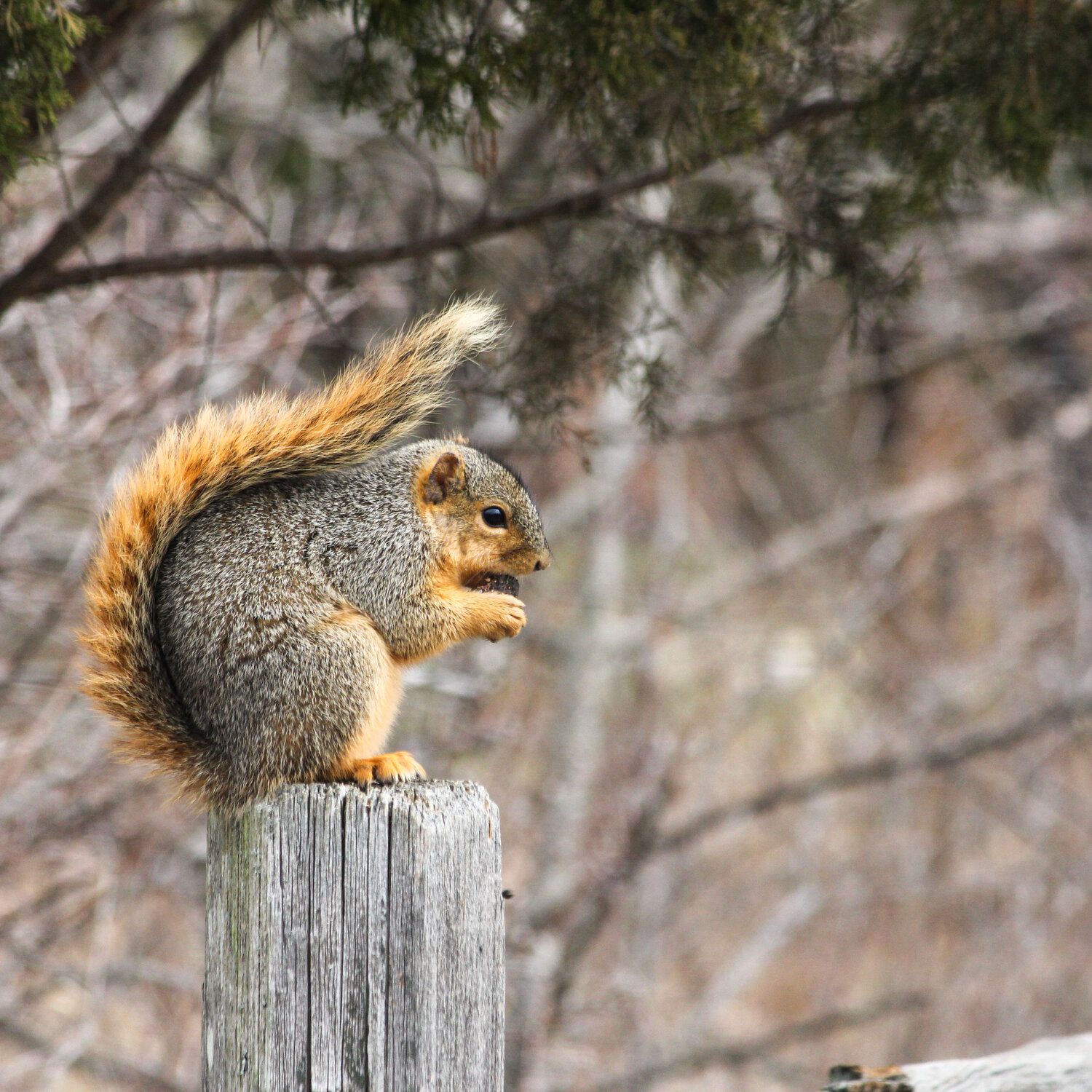
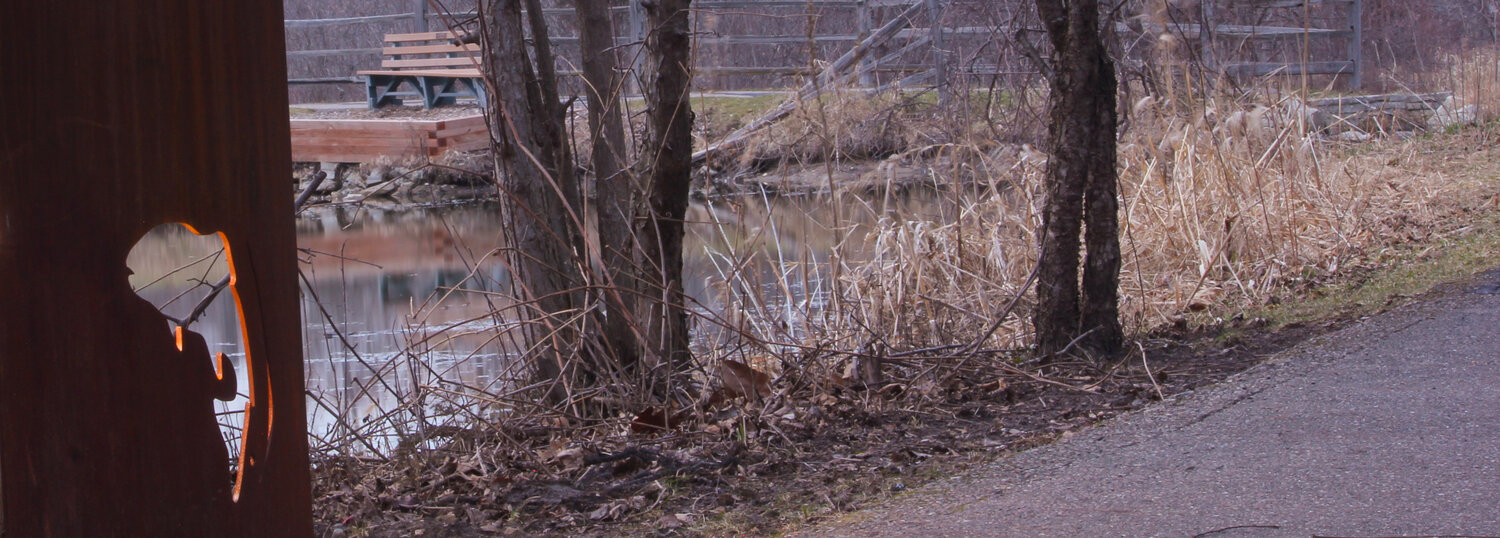
This year, the first things to spring to life there weren’t daffodils, grubs, worms or tardigrades. On March 3, six eloquent poems by local poets, framed in the exquisite photography of Kim Kauffmann, have already blossomed on the drain’s snow-swept paths.
The winning poems in Lansing’s “We Are Water” poetry contest offer up a perfect occasion to celebrate the coming of spring and the return of running water and burgeoning life to our part of the world.
It’s a chance to celebrate the power of local creativity, local talent and local action to cherish the environment and keep the rivers and groundwater clean.
The occasion will be marked on Sunday with a gala celebration at UrbanBeat, free and open to the public.
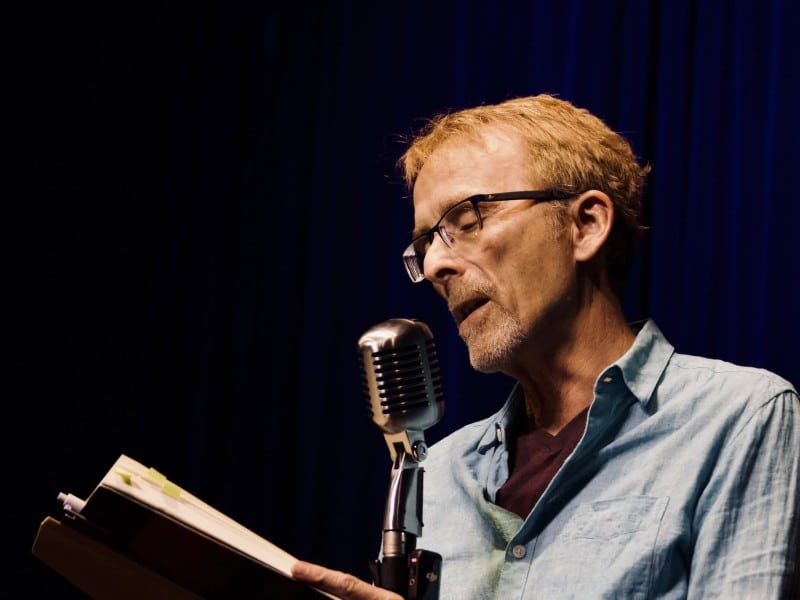
All six winning poets will read their work, a video about the project will be shown and Michigan State University scientists will share insights from the front lines of the fight to keep water clean.
Tollgate is a local gem with many facets — a human-made landscape that mimics the rhythms and processes of nature while filtering stormwater as it weaves to ponds, rivers and underground aquifers.
Lansing Poet Laureate Ruelaine Stokes organized the “We Are Water” contest last fall after becoming one of 23 poet laureates across the nation to receive a $50,000 Laureate Fellowship from the Academy of American Poets to mount a community-based poetry project.
She visited the wetland last year and fell in love with Tollgate. She had planned to use the grant to place poems along the River Trail, but she had a feeling that Tollgate’s heady mix of science, nature, practicality and poetry would provoke unique and eloquent poetry. The contest results proved her hunch.
Ingham County Drain Commissioner Pat Lindemann, a poet himself, loved the idea of placing poems along the Tollgate trail to explain, interpret and to humanize the science behind the drain.
The six selected poets are a diverse group. Some are longtime residents; others are newcomers to the area. Some are experienced poets; others are just starting out.
Three poets with strong Lansing connections judged the contest: Toby Altman, director of the RCAH Center for Poetry at MSU; Janine Certo, associate professor in the Department of Teacher Education at MSU; and Lee Upton, an MSU grad and Emerita Professor of English and Writer-in-Residence at Lafayette College in Eaton, Pennsylvania.
With future support, Lindemann and Stokes hope to add poetry to two more of Lansing’s stormwater management Edens: the Groesbeck Drain on the north side of town and the Montgomery Drain next to the Frandor Shopping Center.
“There is such vitality, such living presence in the poems,” Stokes said. “I keep re-reading them and I’m blown away by the precision and vividness of their images.”
Her goals for the project sound modest at first blush.
“Folks wandering by will be moved to look more closely at their surroundings, and perhaps will be a little more interested in their surroundings,” she said.
But her love of poetry is anything but modest.
“What a gift, in this vast universe, to have language,” she said. What more can we add?
Melodie Wright:
‘I always turn to nature’
Melodie Wright first visited the Tollgate Wetland in September.
“I was taken aback at how beautiful it is,” she said. “It’s tucked into this little pocket of neighborhoods, not what I would have expected.”
Now she’ll walk the trail and see her own words, moist with the morning dew.
“It’s very exciting, but also a little scary,” she said. “But it’s also a really cool accomplishment, especially since it’s at a park, not at a mall or something.”
She watched the ducks sun themselves. She listened to the water swooshing over the limestone cascade at the drain’s southeast corner.
“There were so many sounds, so much wildlife, people walking through,” she said. “I just sat on a bench, thinking about life.”
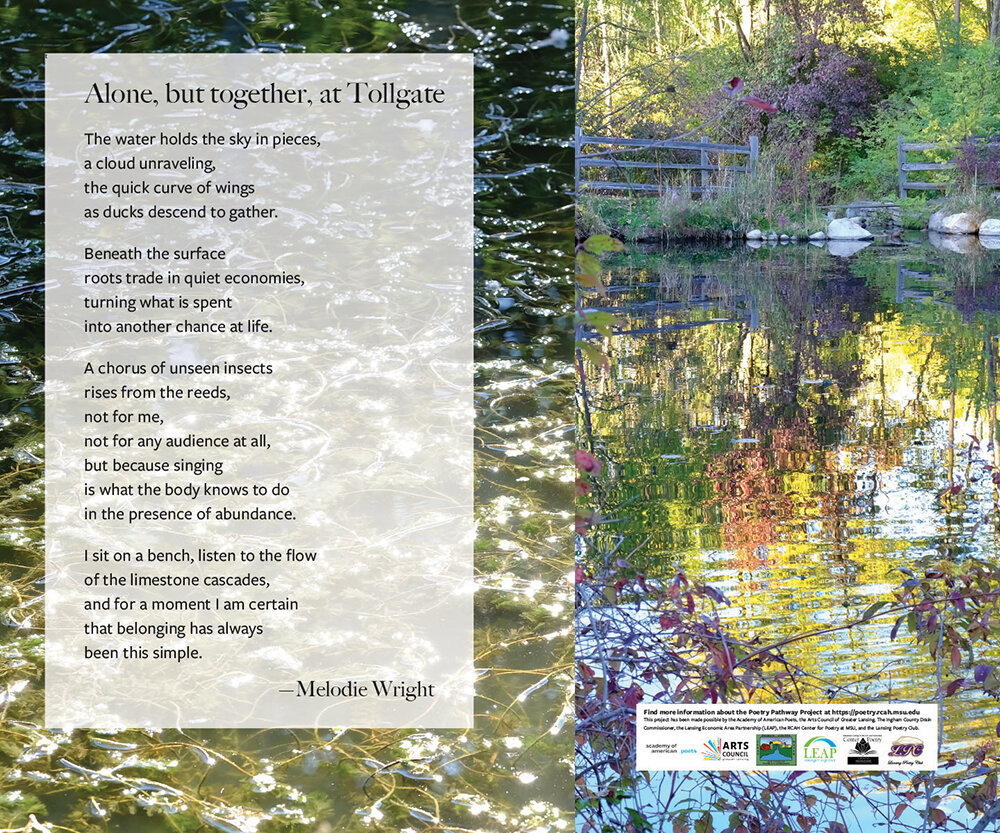
With a notebook on her lap, she jotted down the fragments that later evolved into her winning poem, “Alone, but together, at Tollgate.”
The poem articulates a mystery that is surprisingly hard to put into words: Why does it feel so good to be in the midst of nature? What is the connection?
It occurred to Wright that the unseen insects were singing, not for her, or for any audience at all.
“Singing is what the body knows to do in the presence of abundance,” she wrote.
For plants and animals, just being there is enough. Wright’s poem reflects the light-bulb moment when she realized she is a part of that whole, merely by the grace of being born: “For a moment I am certain that belonging has always been this simple.”
When Wright was young, she dreamed of being a writer. It hasn’t worked out that way — yet.
“I was always afraid to share the things I had written,” she said.
Her outlook changed when her grandfather suddenly died a year and a half ago.
“Life is just so short,” she said. “I started looking at things differently and saying, ‘Why not do this?’”
Wright didn’t know about Tollgate before the poetry contest was announced last fall, but became excited at the prospect of finding a new place to connect with nature.
“I had a very spiritual time there,” she said. “At this point in my life, a feeling of rebirth and renewal hit me very hard.”
She was a ranger for Ingham County Parks for about four years.
“That really sparked my love of nature,” she said. “Whenever I have turmoil going on, I always turn to nature.”
Three of the winning “We Are Water” poets cited the poetry and prose essays of Pulitzer Prize-winning poet Mary Oliver as an inspiration. Wright keeps Oliver’s books on her bedroom nightstand.
“I love the way she speaks about nature,” she said. “Her poem ‘Wild Geese’ was one of the first ones I ever heard from her, and it just spoke to my soul.”
With a contest win under her belt, Wright plans to go ahead with a few book projects she’s had in mind for a long time and even try an open mic at the Robin Theatre.
“I’ve never been courageous enough to go on stage, but it’s something that’s on my list to do this year,” she said. “Now that I have this little encouragement, I feel strong to go up there. I have so many poems in my notebook and on my phone that I’m excited to share.”
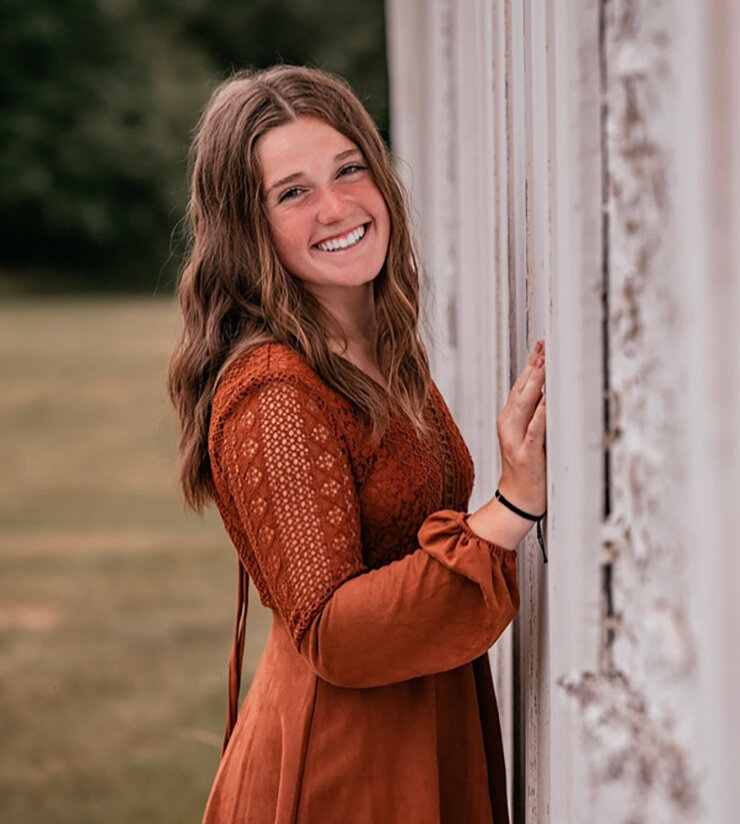
Jasmine Snow:
‘You have to be nosy’
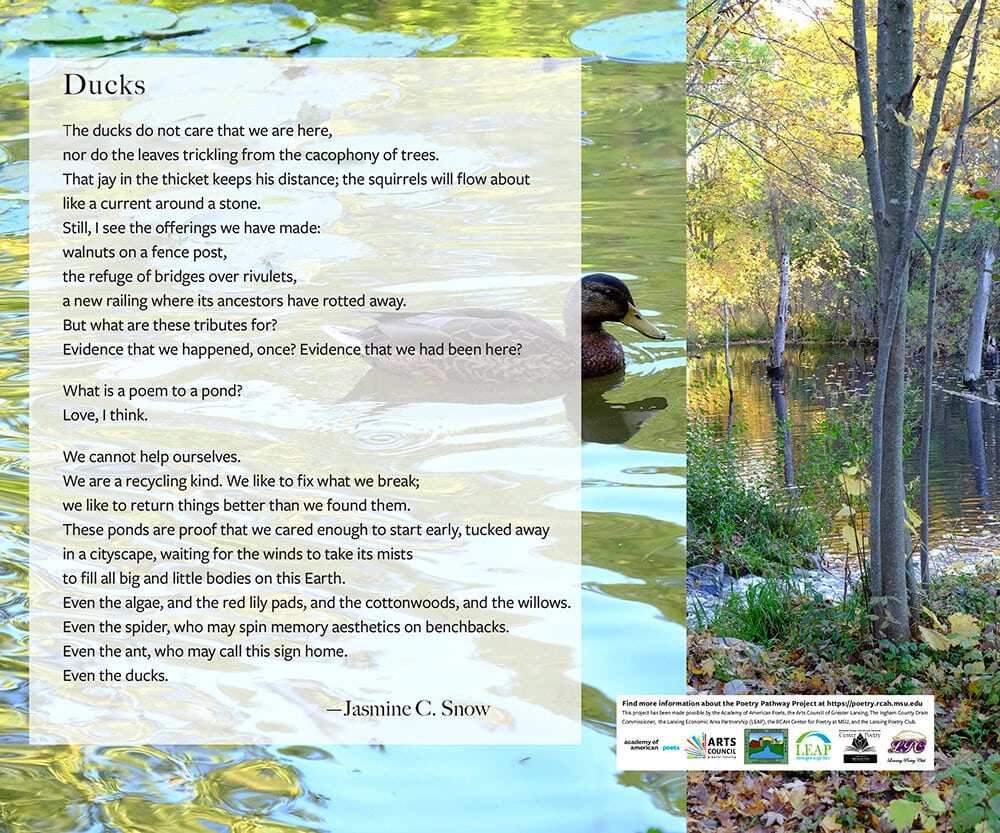
In classic graduate student fashion, Jasmine Snow waited until the day before the “We Are Water” contest poems were due to visit Tollgate.
While going out for coffee beforehand, she took a spill and sprained her ankle, but hobbled around the wetlands anyway.
“I literally left from Tollgate and went to urgent care,” she said.
The paths at Tollgate reminded her of walkways along the Mississippi she enjoyed as an undergraduate, living in Minneapolis.
“It was so beautiful, one of the most natural areas I’d been in for a while,” she said.
Snow has been writing poetry since fifth grade. Her poems have evolved from rhymes to free verse, and her subject matter has changed along with the phases of her life, from emotions and relationships to culture, identity, race and politics, but nature has always been a constant.
“I lost it a little bit in college when I fell into journalism, but after moving here for grad school, I’ve been trying to get back into poetry and other creative writing,” she said.
Her poem reveals a keen eye for small things, from ants to algae. She has found that journalism and poetry have a lot in common.
“You have to be nosy, and find lots of details you love, although they don’t always make it in,” she said. “You’re telling a story, and that’s all any form of communication really is. You’re trying to glean the most salient, rich details that lead back to some kind of universal experience. What’s your lead? The lead is the poem.”
She’s now in a stressful phase — her last semester of grad school, with a thesis looming.
“Lately I’ve been getting into poets like Mary Oliver, and I’ve always loved Robert Frost, so I’ve been getting more into nature, and the world around me, and that’s been kind of healing,” she said.
And Tollgate will be there for her.
“In order to not go crazy, I have to get out of my apartment and take more walks than I’ve been doing,” she said.
She was shocked to find her poem selected to be enshrined there.
“It was almost existential to find out that my work would have a physical space to exist, a sign, that doesn’t easily rot, like paper,” she said. “I’ve only been here a year and a half, and if something I created could have a home here, whether I stay or not, means so much to me. It’s very cool.”
Kendall Stilwell:
Channeling the drain
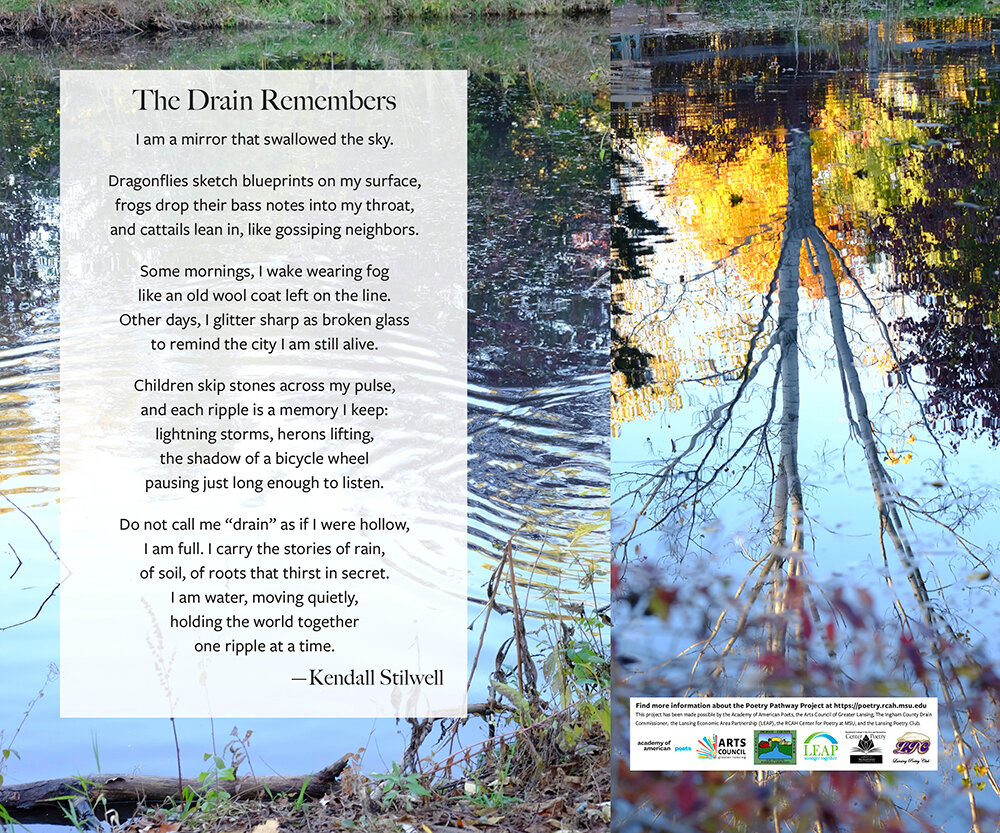
The Tollgate Drain can’t speak for itself. Or can it? Is that a voice rising from the shallows?
“Do not call me ‘drain.’”
Oops.
“Do not call me a ‘drain’ as if I were hollow. I am full.”
In Kendall Stilwell’s poem “The Drain Remembers,” the drain does speak — and eloquently.
“I am a mirror that swallowed the sky.”
Stilwell, a senior at MSU studying animal science, is new to poetry and admits she has a “scientific brain,” but a blend of science and soul helped her ace her very first poetry contest entry.
As a sophomore, she moved to the Groesbeck neighborhood, near Tollgate, and began walking the area. She saw a flyer for the poetry contest on one of her frequent walks and decided to give it a go.
In early drafts, she described what she saw on her walks, especially the animals.
“I grew up in a rural background, in Holly, and I’m not used to city life,” she said. “Seeing a deer at Tollgate drain was fascinating to me. It says that you shouldn’t limit your expectations.”
At some mysterious point in the process, she took the bold leap of dropping her own voice and speaking in the voice of the drain itself.
“I originally planned to describe what I saw,” she said. “But I felt that since it’s in a neighborhood, in a city, it can get overlooked. Giving voice to it gave me a different perspective.”
The aesthetic and scientific duality of Tollgate inspired two of the contest winners to channel the drain’s imagined voice, but in opposite directions. Fellow winner Dana Hardy began her poem, “This is Not a Park,” with a pointed reminder of the drains’ drain-osity: “I am not a jewel-encrusted beach.”
Although Stilwell only recently took up poetry, she cherishes the memory of her fourth-grade teacher reading poems to the class.
“That was the first spark of learning what poems are and understanding it,” she said.
She kept journals in college to express the non-scientific side, but only recently leaped to verse.
Enjoying success with her first contest entry was a shocker.
“It feels amazing, incredible,” she said. “I can’t believe it.”
Encouraged by her contest win, she plans to continue writing poetry as she works toward veterinary school, hopefully at MSU.
“It takes a few revisions, edits and drafts to fully understand what my brain wants me to think about and write,” she said. “It comes a little more difficult because I have a scientific brain, but at the same time, the process of putting my thoughts into words is relaxing.”
Tim Lane:
A cosmic shrug
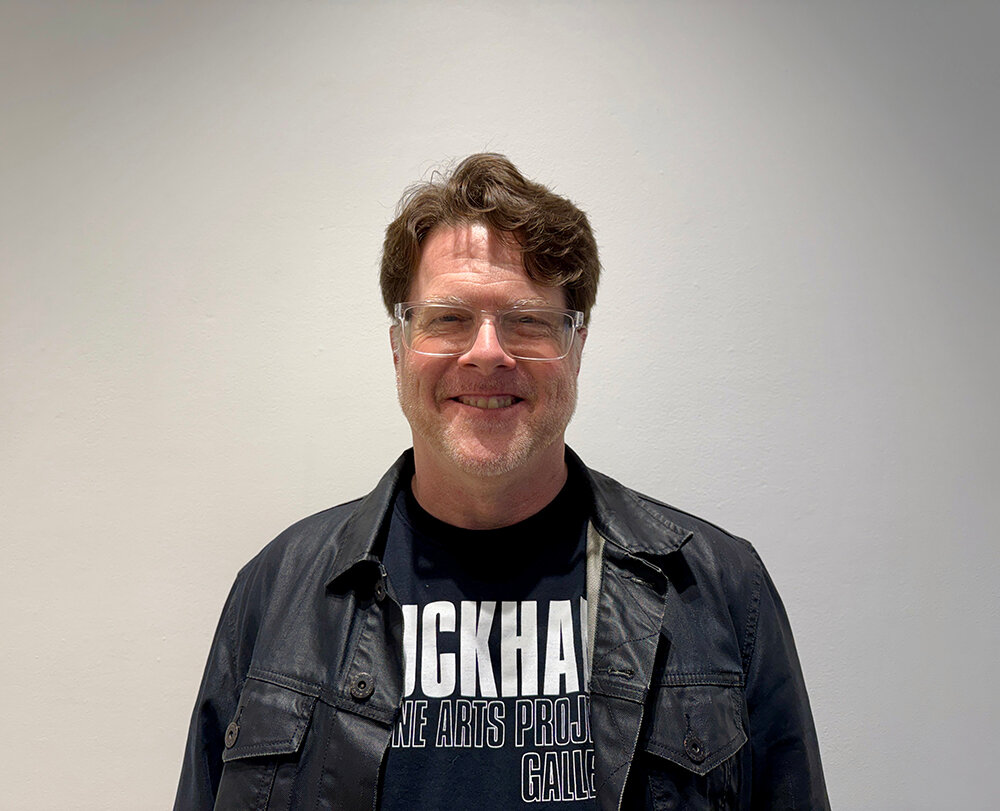
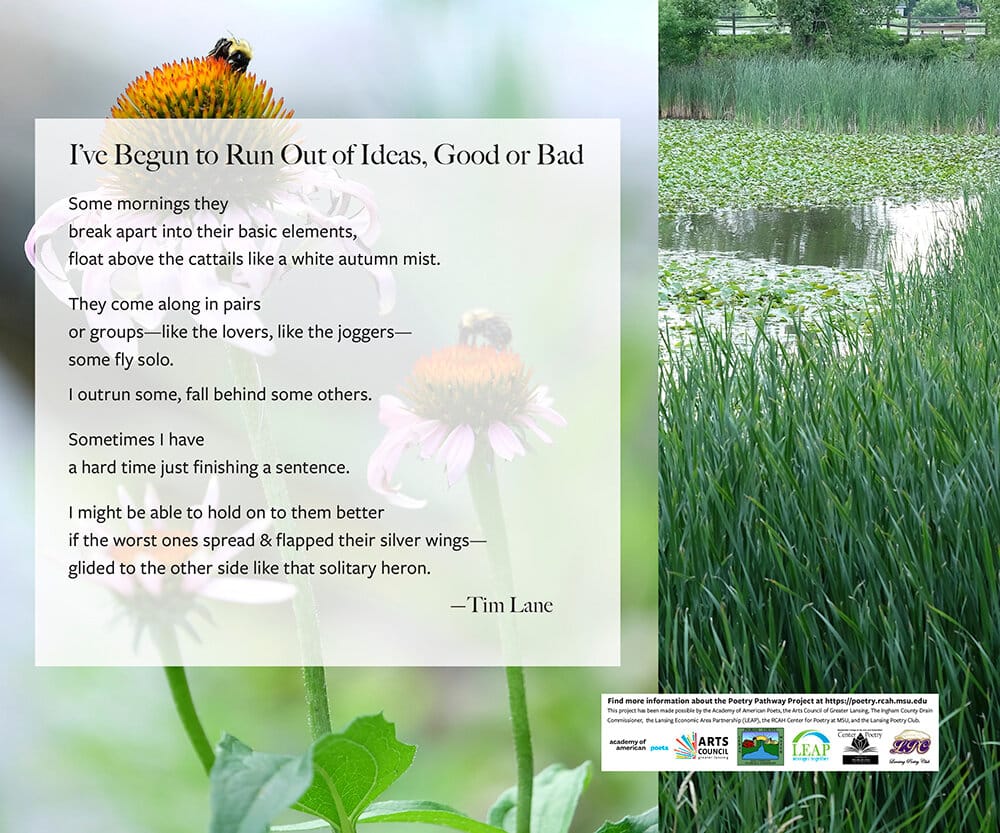
Tim Lane’s terse, funny, winning poem is a sly cosmic shrug, a bit of an outlier among the six winners of the “We Are Water” contest.
The title alone reveals Lane’s mordant sense of humor: “I’ve Begun to Run Out of Ideas, Good or Bad.”
Unlike some of the other winning poets, Lane doesn’t let the tone get solemn, and tiptoes around high-minded ecological and spiritual themes. His disarming humility reaches a peak in the middle of the poem: “Sometimes I have a hard time just finishing a sentence.”
“I’ve always been very serious about not being serious,” Lane admitted. “It’s kind of unexpected and it’s a good way to nail a message home.”
When Poet Laureate Ruelaine Stokes sent out the call for poems last fall, Lane was already working on a cycle of poems called “The Wetland Poems.”
“I hadn’t entered a contest in a while, but I knew I had to enter this one,” he said.
He’s walked the paths at the Tollgate Wetland hundreds of times.
“I live on North Hayford and Grand River, a few blocks from the wetland,” Lane said. “I remember when it wasn’t there and I saw it being built.”
Walking has always been a big part of his writing practice. “When you’re walking, you’re thinking,” he said. “It’s very good for sorting out thoughts, coming up with one-liners, just figuring out how to continue.”
Lane grew up on the east side of Flint, Michigan, came to MSU in 1985, moved around a bit after graduating and returned to Lansing in 1993.
He’s not only a poet, but a novelist and painter. He ran SCENE (Metrospace) from 2008 to 2015. He’s been working as a visual artist for about 20 years. He’s also a member of the artist and writer collective at the Buckham Art Gallery in downtown Flint.
“I’ve been plugged into the local creative scene for quite a while,” he said.
He learned about poetry (and chess) from an uncle in his early teens. He has self-published the first two volumes of a trilogy about coming of age in Flint in the 1980s; he is working on the third.
His reaction to his poem being selected was typically droll.
“I was glad that I made the cut,” he said. “I’m sure a few photo ops will be involved.”
Daisy Roberts:
Steeping like tea
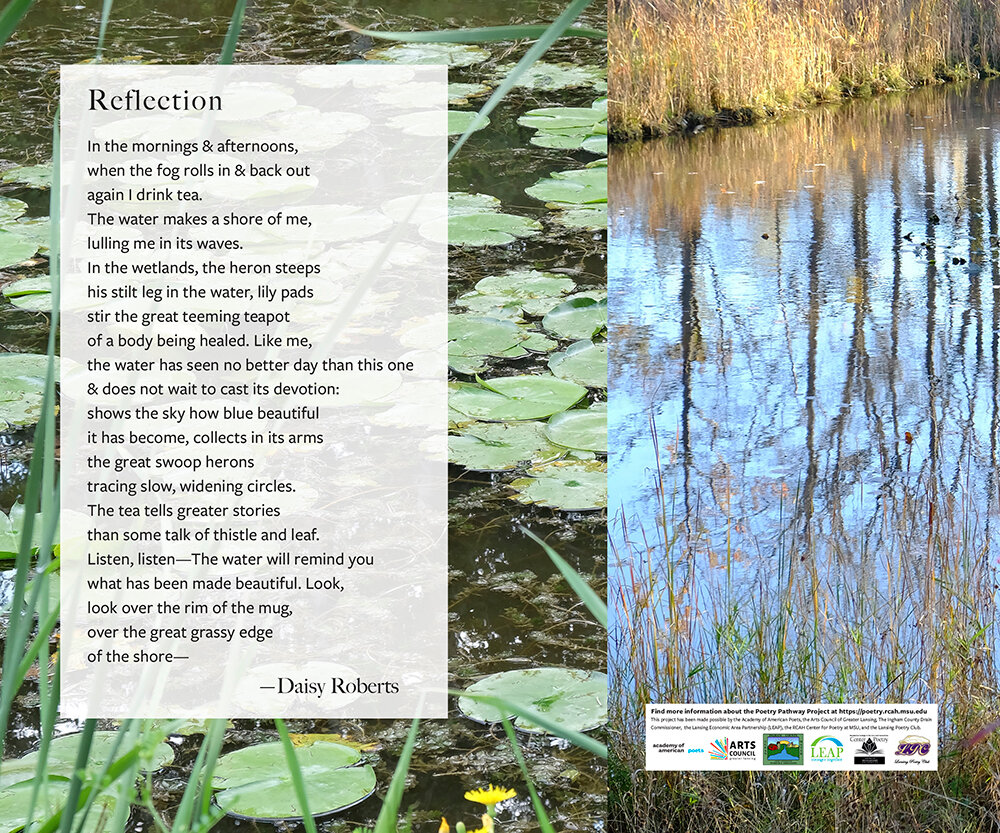
At first glance, scientific writing and poetry seem at odds. One thrives on copious, even tedious, detail. The other pares things down to essentials.
Daisy Roberts knew that the holding ponds at Tollgate are lined with natural and human-made filters, designed to encourage the myriad chemical and biological processes that clean the water and provide habitat for wildlife. She lives about a mile away and walks the paths all the time.
But how is that a poem? She was ready with the perfect metaphor.
“I couldn’t help but think of tea, because it’s my favorite thing ever,” she said. “I’m drinking tea constantly. I thought about the tea in my body and the metaphorical, but also literal, tea in the wetlands — all the steeping happening.”
That led her to the language of healing.
“I thought about how tea heals me, and the wetlands heal the natural world, by cleaning and filtering the water,” she said. “It all fell into place, and I’m glad, because I love the wetlands and I love tea.”
Roberts is a recent Lansing transplant from Columbus, Ohio, and said she plans to stay in Lansing at least as long as her partner is working on a Ph.D. She studied creative writing and Spanish at Ohio State University.
“I feel like poetry connects me to my life and to nature in a way nothing else does,” she said. “There are so many little moments that seem small, but are big, between people and animals. I love to observe the happenings of our days with attention, shedding a light on them that might invite people to notice more in their days.”
Like many of the “We Are Water” winners, she read the poetry of Mary Oliver in high school.
“I’d never read anything like that,” she said. “I felt like poetry was abstract and complicated, and I love that kind of poetry too, but her poetry was just so simple and profound.”
She also loves the poetry of Rumi, T.S. Eliot and other philosophical and existential poets.
“I could go on and on,” she said. “There are so many.”
Philosophical or folksy, profound or whimsical, poetry has nearly limitless potential, in her view.
“Poetry feels like a profound way to connect people with the natural world, which is sometimes inaccessible, or intimidating, or it can feel exclusively meant for certain kinds of people,” she said. “It can tune you in to this little moment, this little happening in nature, that connects people to nature in a bigger way.”
Now her poem will reach people in ways published poetry seldom does, planted squarely in the burbling micro-world that inspired it.
“I’m so grateful that this contest is presenting poems that way,” she said. “It connects poetry with ecology and the natural world. They’re inextricably linked and I think that’s just brilliant.”
Dana Hardy:
‘This wasn’t just a place for me’
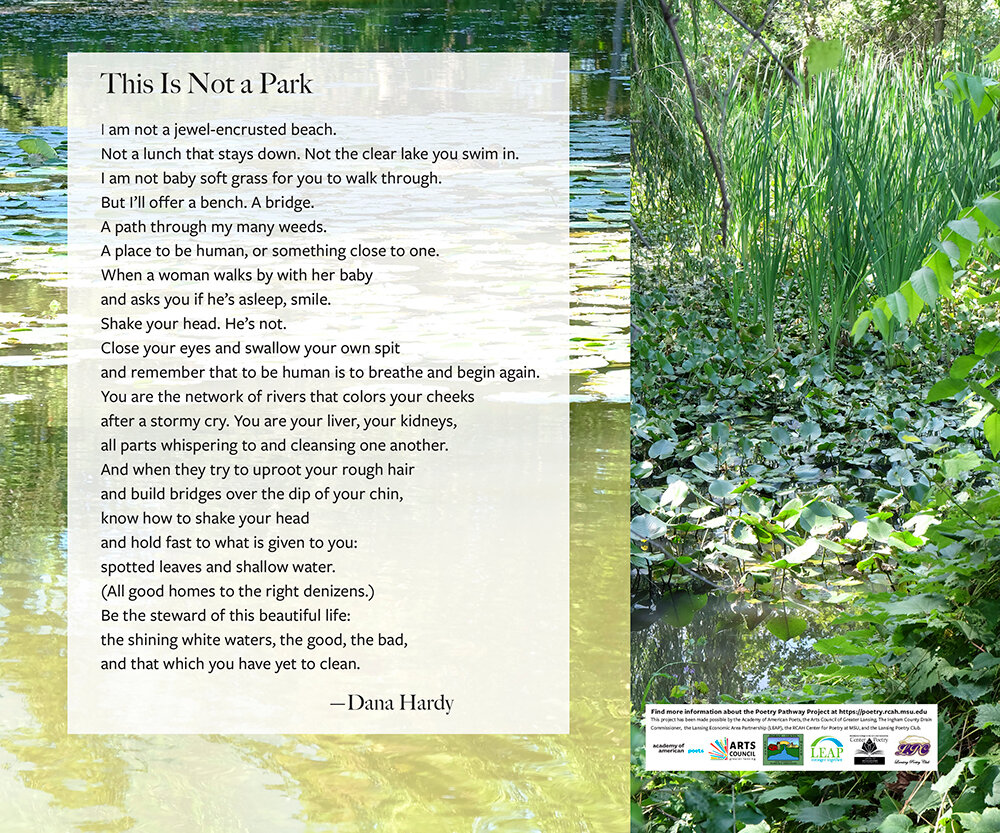
To strike poetry gold, all you have to do is keep your eyes open, according to Dana Hardy.
“A good poem can come from almost anything,” she said. “There are so many poems that are just lying dormant around us.”
Around the same time as the Tollgate contest began, Hardy tried to write a poem for another contest, with climate change as a central theme, but that poem went nowhere.
“It wasn’t really coming to me in the way I liked,” she said. All of the winning “We Are Water” poets described their visit to Tollgate as an invaluable source of direct inspiration.
“I think the reason this poem came easier to me was being able to actually go to the wetlands, to see and experience it,” she said.
Hardy is a second-year education student at Michigan State majoring in music education. She was born in California but grew up in Michigan.
Walking the path at Tollgate, Hardy was not inspired by the birds and bees, but by an informational plaque about the mechanics and function of the drain.
“There was so much wildlife, so many birds, but it wasn’t just a park, a pretty natural feature,” she said. “It has such an important function as a system in the community, and that’s what I wanted to explore — how it’s part of a larger ecosystem.”
That makes Hardy’s poem, “This is Not a Park,” a reverse-image bookend to fellow poet Kendall Stilwell’s winning entry, “I Am Not a Drain.”
“People tend to view nature in terms of what it can do for us, how it can be beautiful or aesthetically pleasing, when it’s so much bigger than that,” she said.
Hardy sees the poem as a gentle pushback against “the idea that we value aesthetics over everything else.”
“It was something I had to learn when I was working with nature and invasive species throughout middle school and high school,” she said.
She volunteered with the Meridian Conservation Corps, removing invasive plant species and planting native species in natural areas around Meridian Township.
“There are so many things we think are beautiful that are actually harming the environment around us. When we prioritize the aesthetics over the function, it can be a detriment to us.”
A friend encouraged her to enter the We Are Water contest after reading some of her poetry.
“I’m a music education person, but I’ve always felt closely connected with nature,” she said. (She also plays the violin in the MSU Symphony.)
Although she loves taking walks at local parks like the Albert White Memorial Park in East Lansing and the botanical gardens on the MSU Campus, she hadn’t visited Tollgate in several years.
“I went on a late afternoon in October, after I had a really long day, and I decided that I really wanted to take a walk, so I might as well go there,” she said.
She took particular notice of messy features that would be cleared away from a golf course, a formal garden or a cemetery, but play a key role at Tollgate.
“They have these fallen trees that were actually placed there to house many of the animal species that live around there,” she said. “I watched these ducks sleeping on one of those logs and saw a heron near a little island that was not accessible to people. It was making me feel better, being in nature, but it made me realize this wasn’t just a place for me.”