Customers may not have noticed the downturn in Michigan’s marijuana market
There’s been a downturn – a seven-year-itch, a seventh-inning stretch – in Michigan’s marijuana market, for the first time ever. And that was before a major new tax kicked in at the start of the …
There’s been a downturn – a seven-year-itch, a seventh-inning stretch – in Michigan’s marijuana market, for the first time ever. And that was before a major new tax kicked in at the start of the year.
But customers may not have noticed one bit.
Glass pipe makers didn’t expect legalization would push them more underground
Michigan’s $250 million-a-month market has contracted a bit, with 3% fewer dollars spent in 2025 than in 2024.
Stores are closing faster than they’re opening, again for the first time, but also at 3% fewer and down about 25 stores from the March 2025 peak.
Despite the shrink, there are still about 300 more marijuana retail shops than McDonalds locations in Michigan and you can buy legal weed at more places than you can legally buy Subway sandwiches.
Cheaper weed
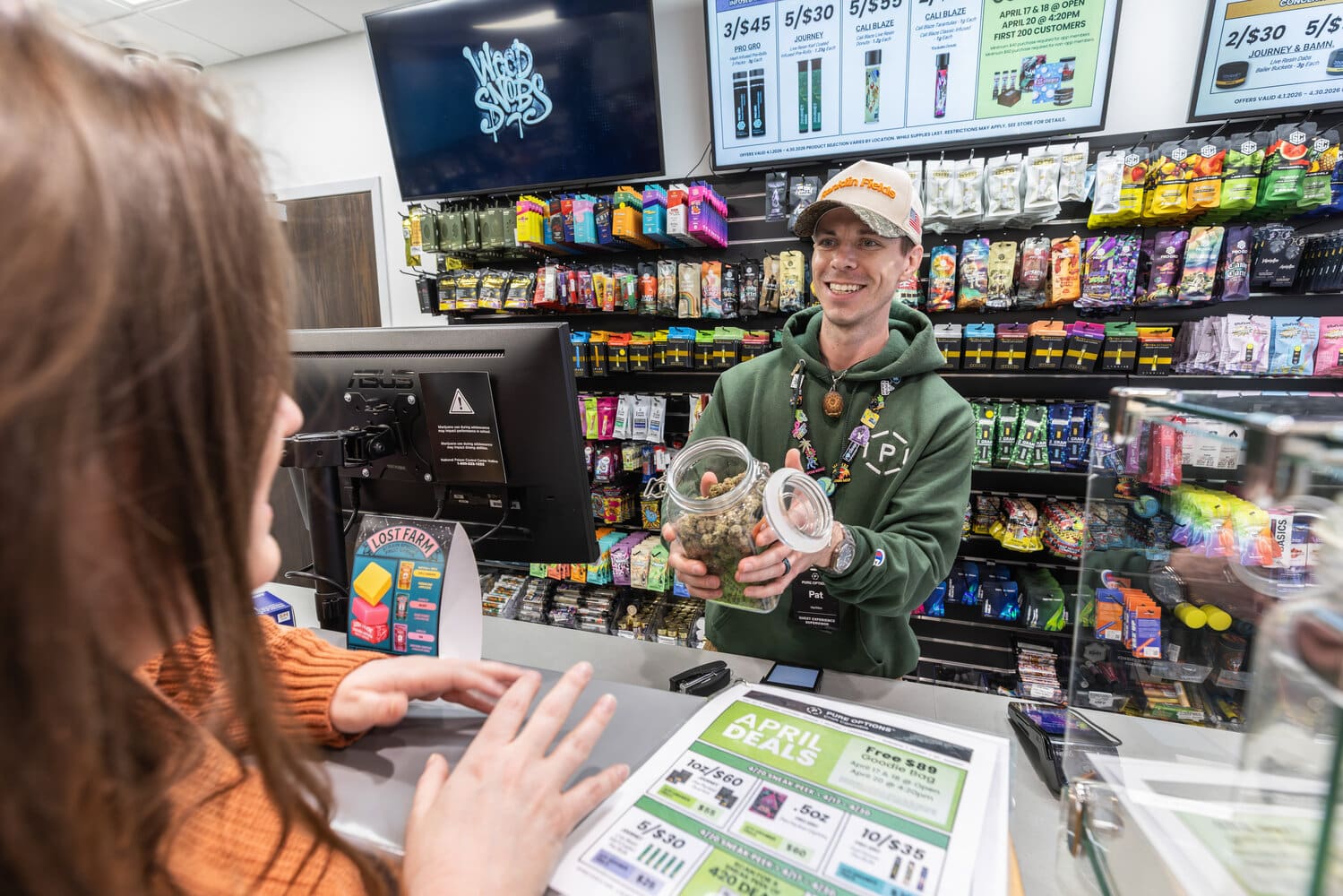
Weed prices have slightly increased this year, and after dropping below $60 an ounce for four months, the latest figures (for March, from the state’s Cannabis Regulatory Agency) show it’s up to $62 an ounce.
One measure used by public health officials for a joint is 0.66 grams, so an ounce is about 42 joints or about $1.50 per joint. That’s cheap by just about any standard: it’s one of the cheapest legal states and it’s cheaper than last year’s prices.
Michigan is even cheaper when it comes to secondary products, like concentrates and gummies, said Nathan Joyal, a Northern Michigan University cannabis business professor.
“You can get 200mg gummies for $3 a pack,” he said. “The next closest state is probably around 100mg for $15/pack. And ultimately, that comes back to subtle differences in regulation from state to state. Michigan is unique; it has made no real effort to cap or regulate the number of any license type. If you have the appropriate property and the fees, you can start a farm or retail operation.”
See Michigan’s cannabis retail stores in a Lego map of the state
The price wars have led some businesses to drop out.
TerrAscend, a Toronto-based company, announced this summer that it would be leaving Michigan, closing its 20 retail stores and four grow facilities. The company said Michigan’s “extremely difficult market” led it to redouble efforts elsewhere. That likely means moving focus to legal states that are less saturated, Joyal said.
The number of growers, plants and license holders is a bigger factor for the industry than the tax, he said.
Taxes
The tax increase, while substantial, is already baked into an industry that pays a wide variety of taxes, or extra business costs, due to being federally illegal, Joyal said.
Joyal said the low prices in Michigan will help to insulate some of the consumer effects of any tax.
“If you raise prices 24%, the material is very accessible to consumers,” he said.
If operators pass the entire cost along, which is unlikely, it’d be a $75 ounce instead of a $60 ounce and that’s still cheap. People were paying $75 an ounce on average in October 2024. The last time weed averaged $100 an ounce was in September 2023 (with inflation, that’d be $107 today).
A maturing market
The market has reached maturity faster than expected, said Bill Knudson, an MSU agriculture professor who co-authored a 2020 study that anticipated marijuana becoming a $3 billion industry in the state. It is there now.
“It matured in a hurry, faster than we thought,” he said. “There is a shake-out going on, like with all ag businesses, and the less efficient ones don’t make it.”
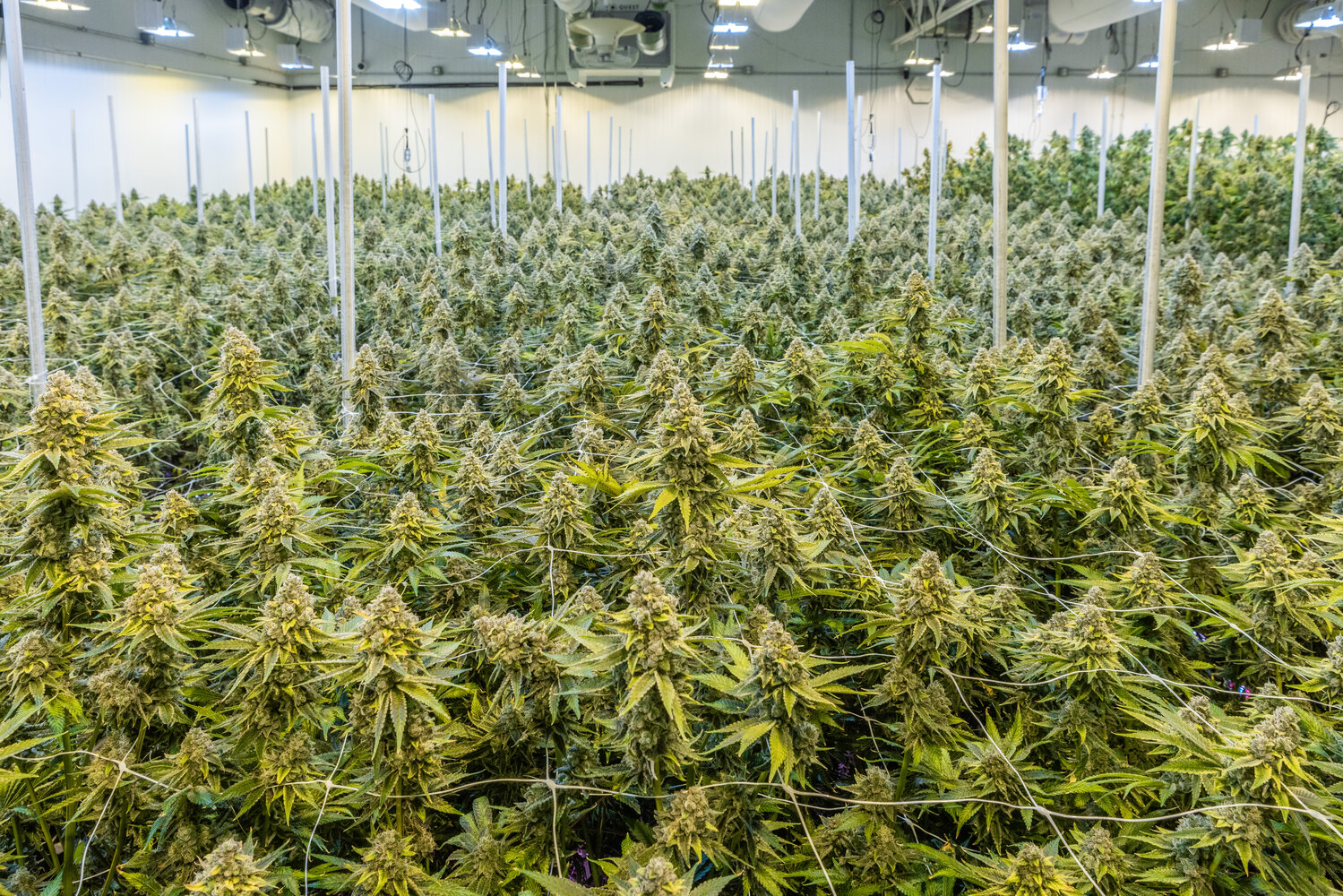
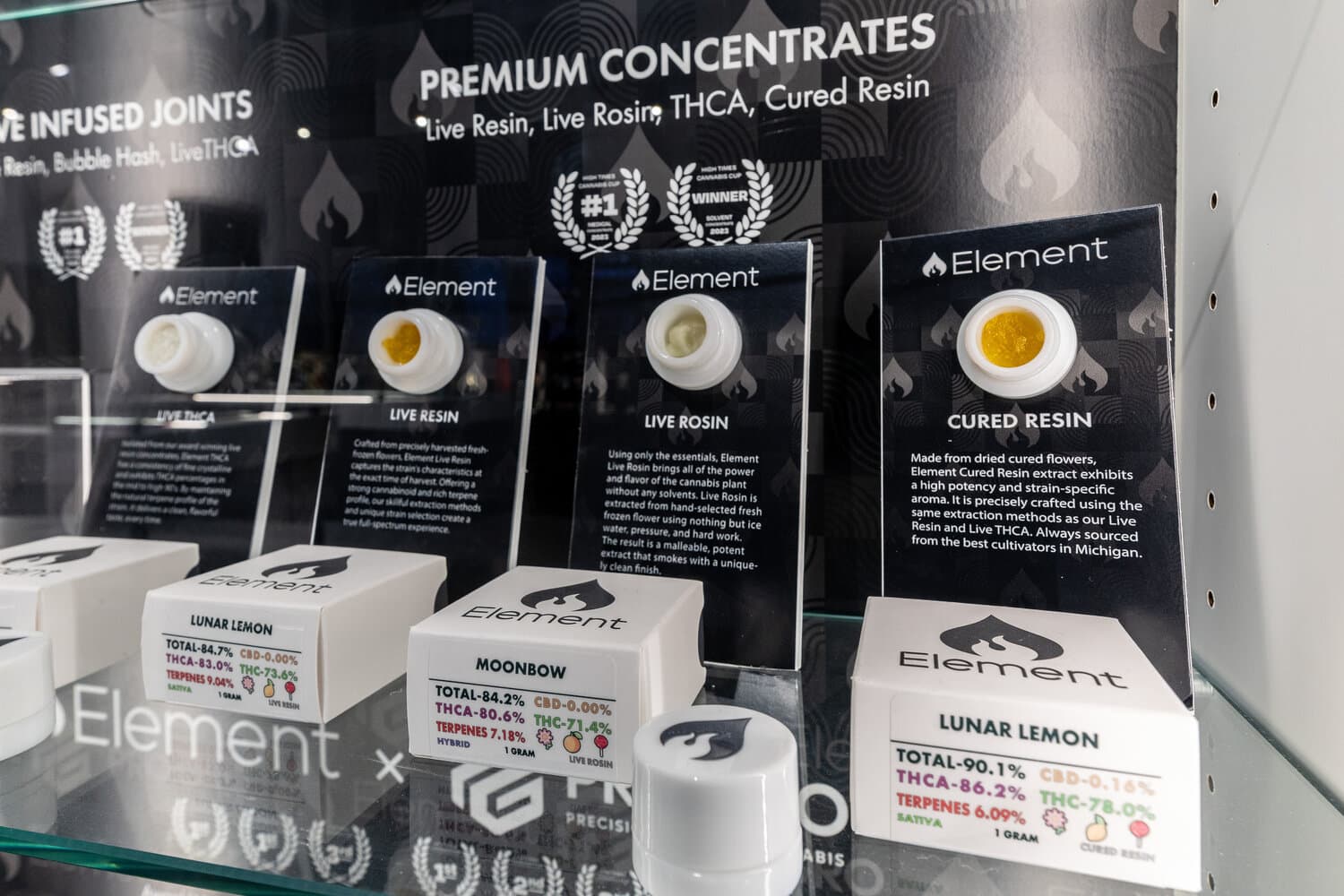
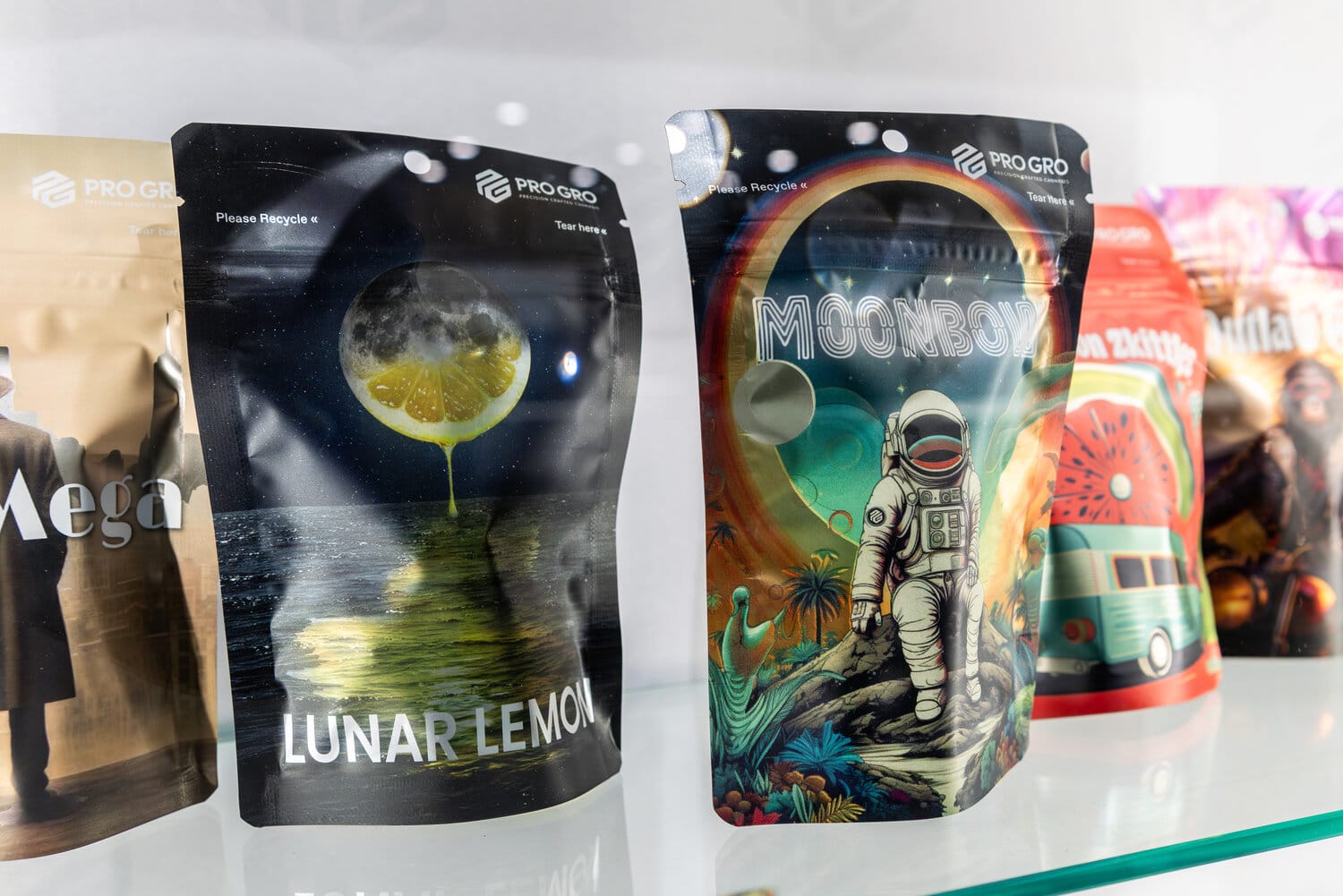


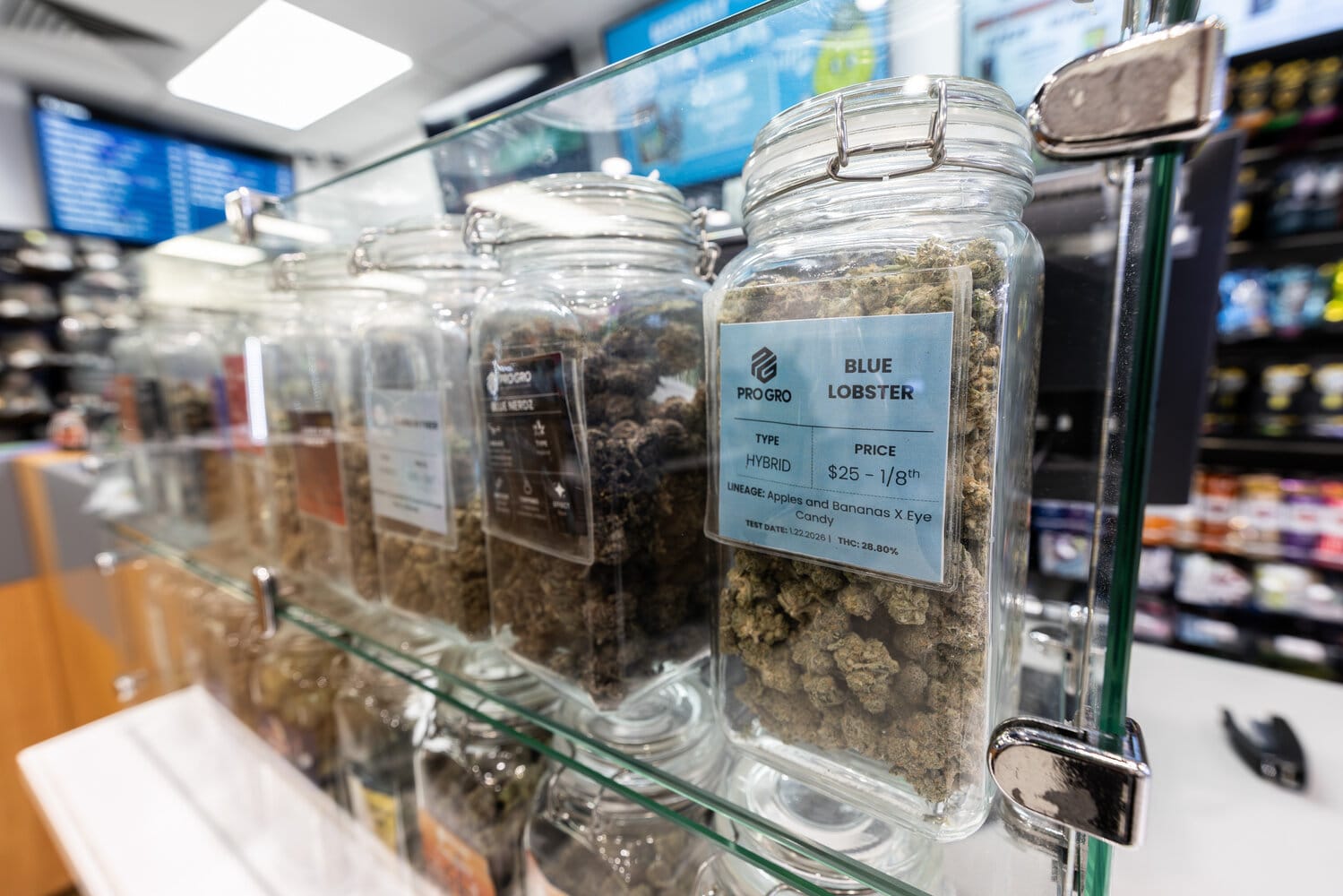
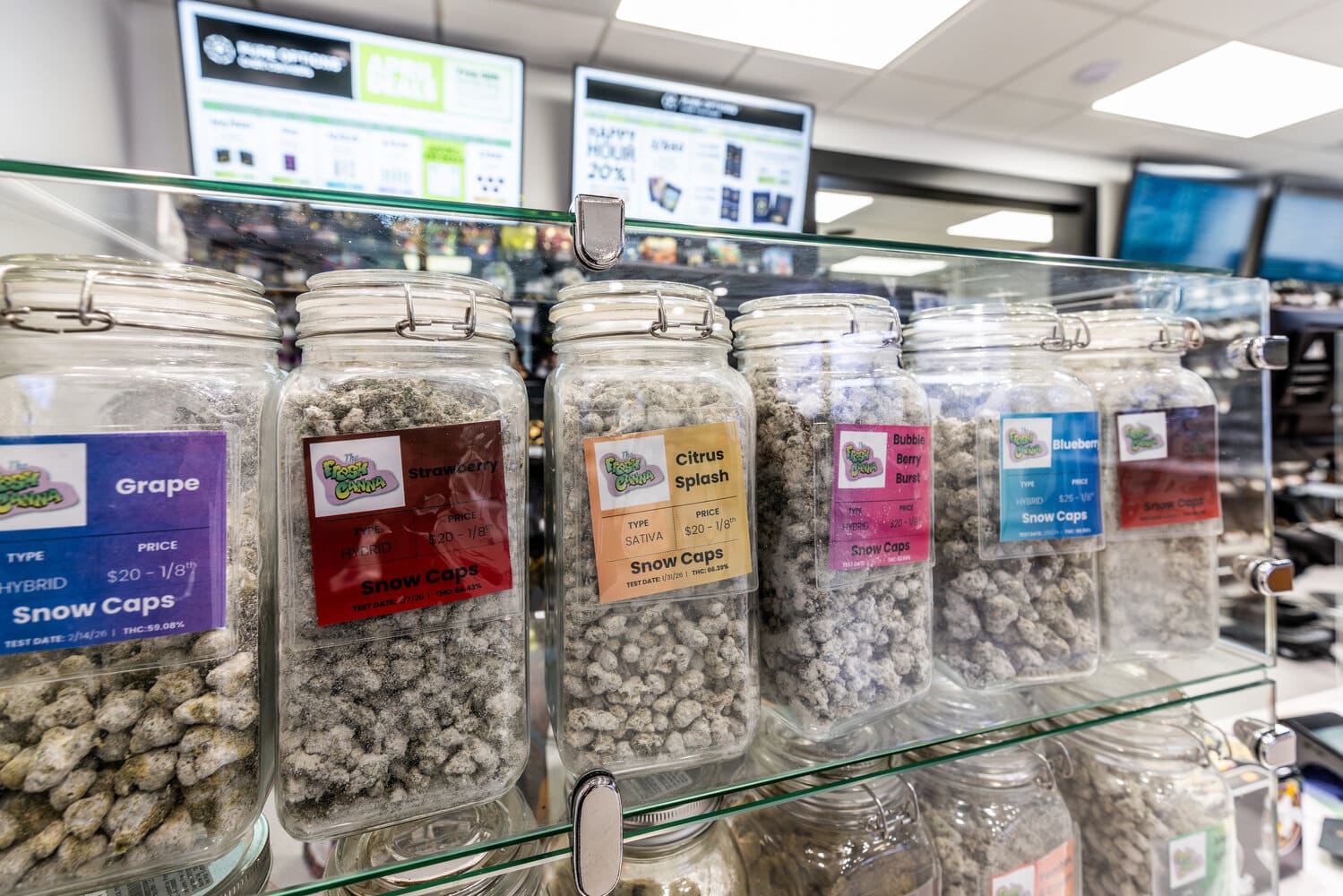

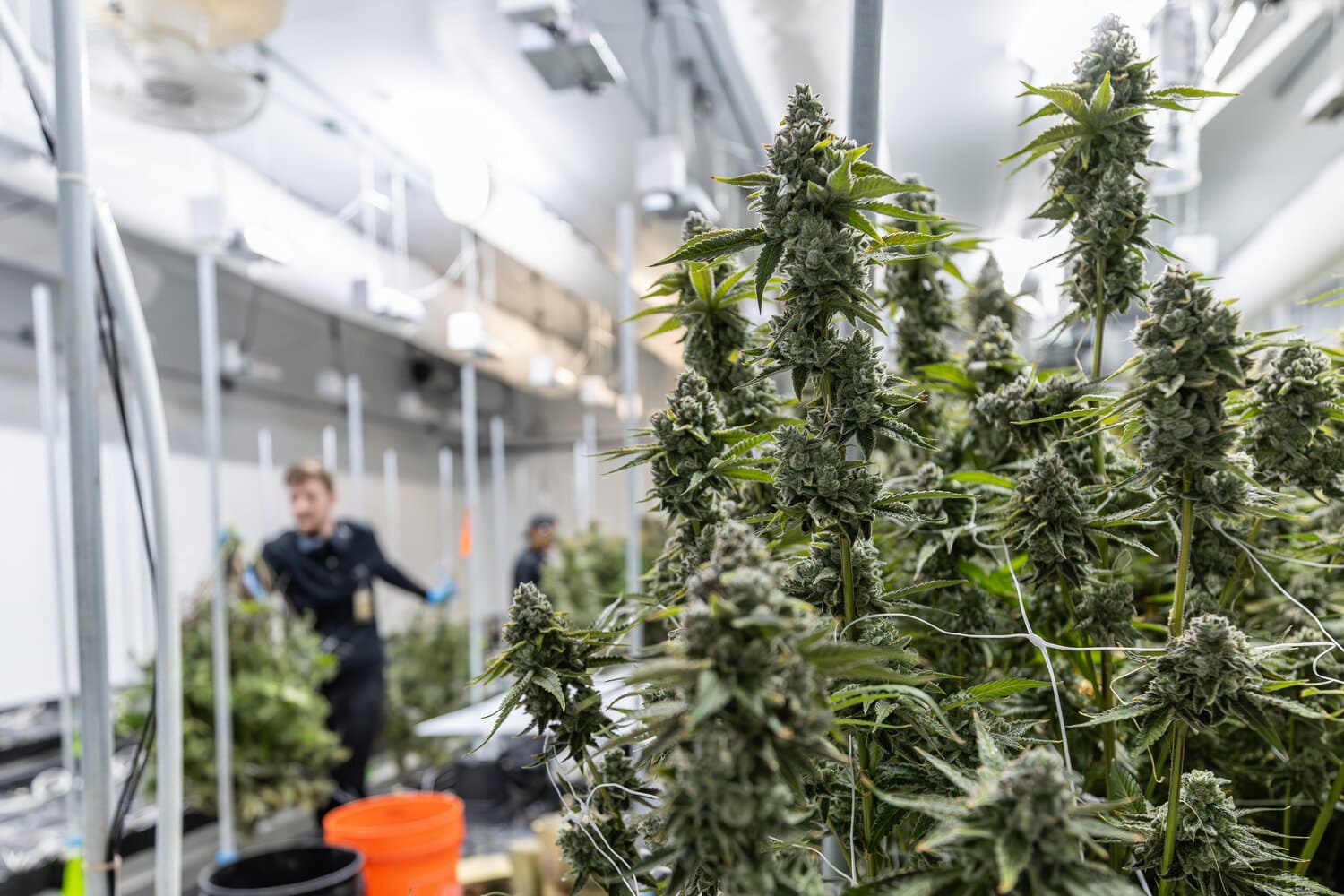
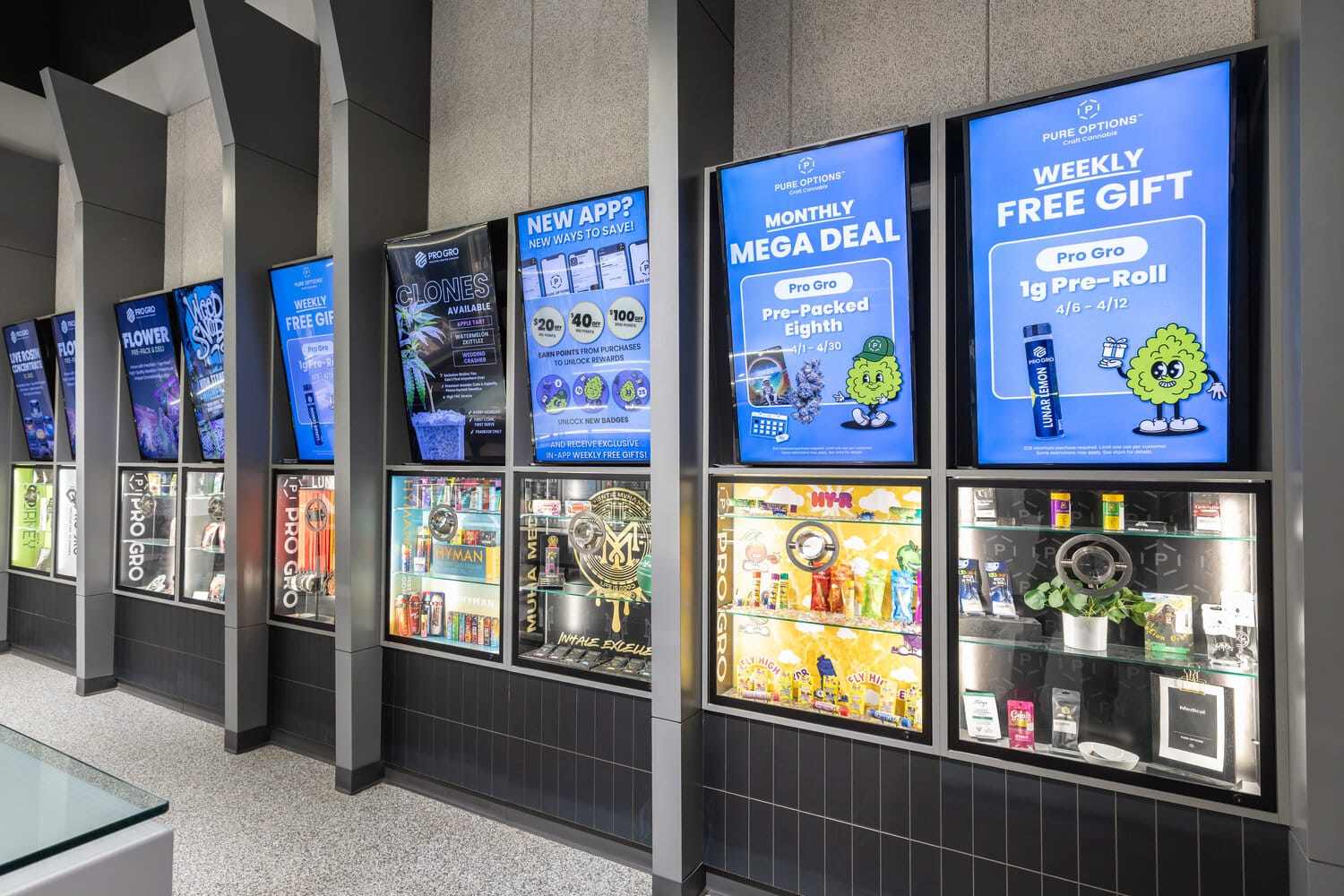
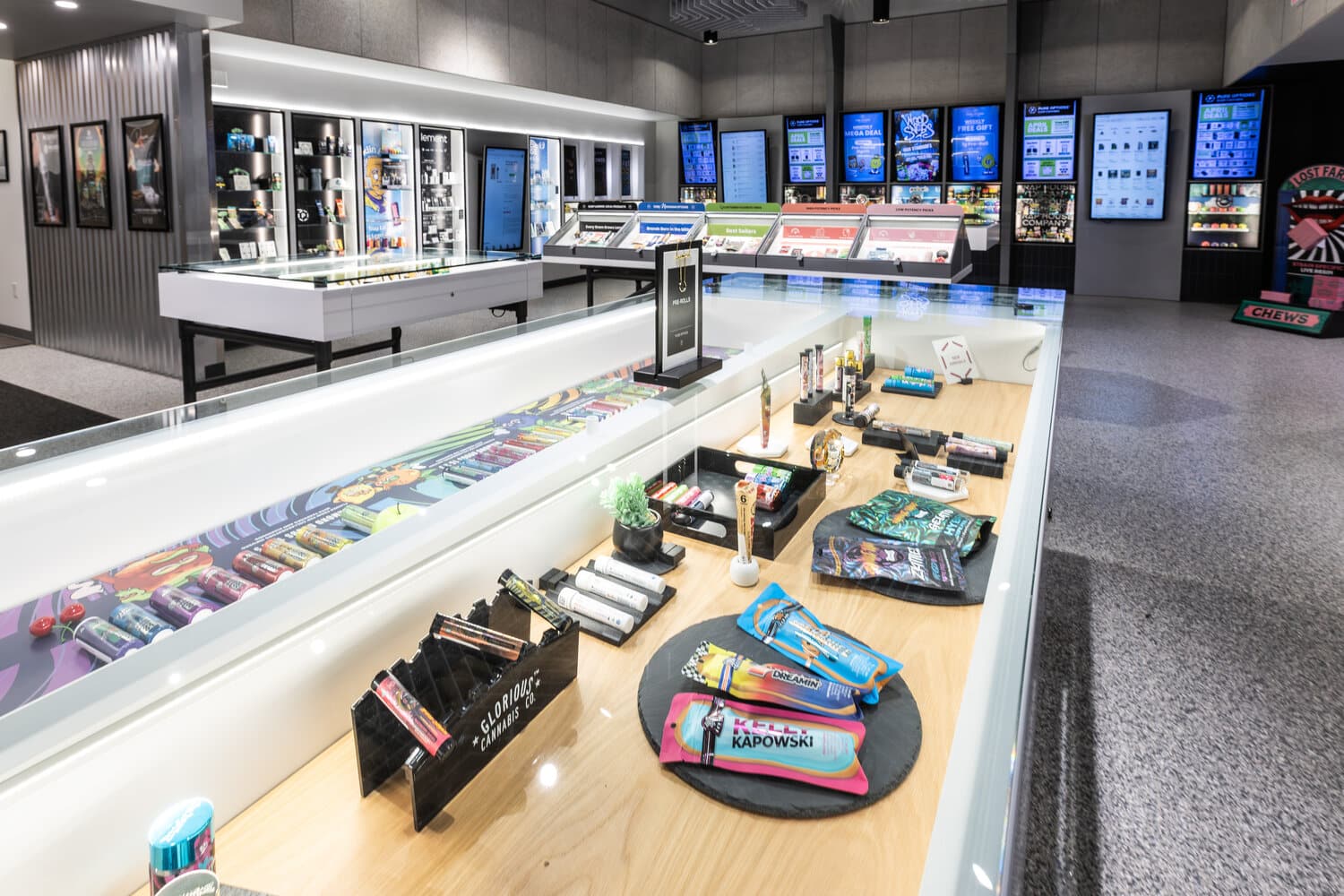
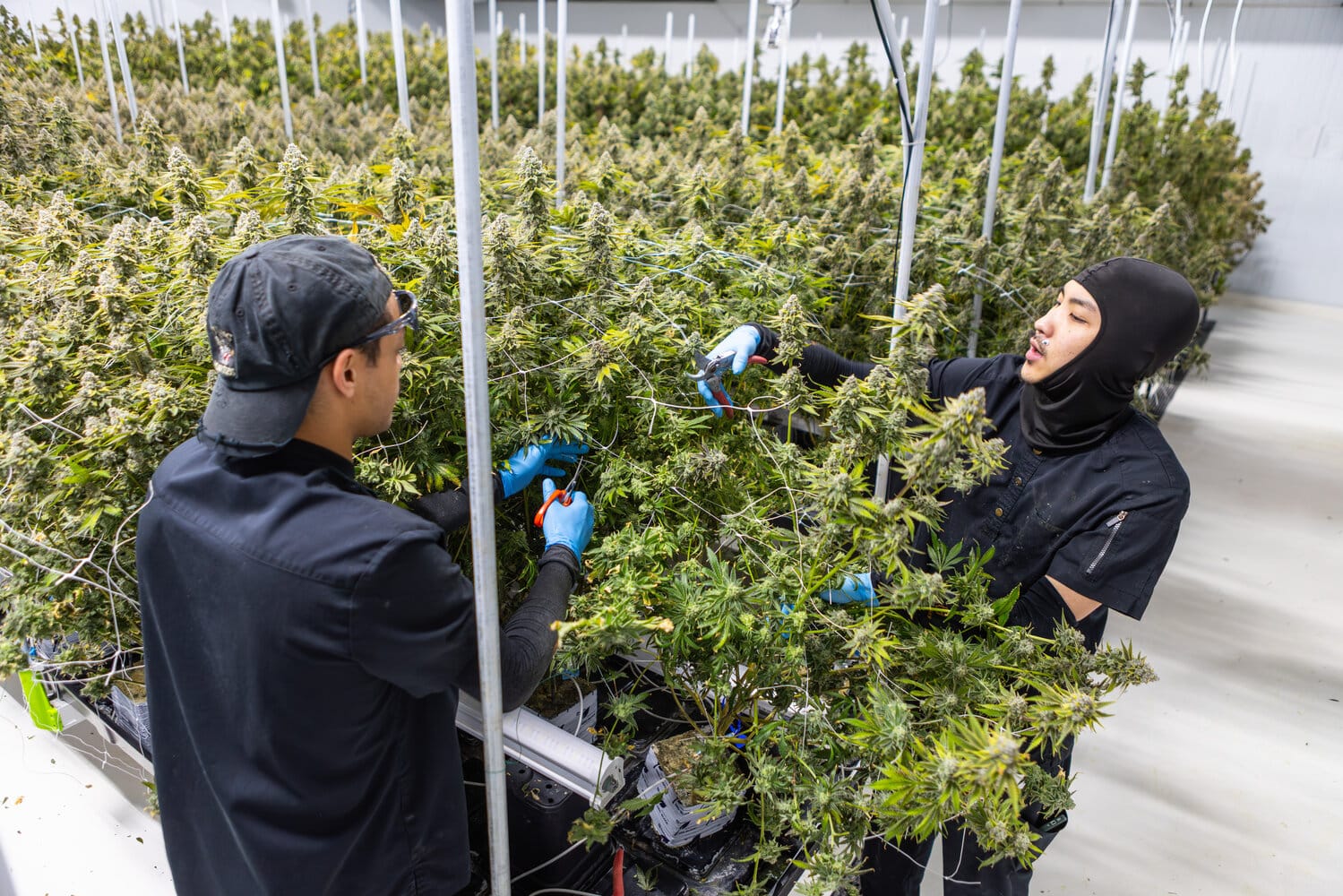
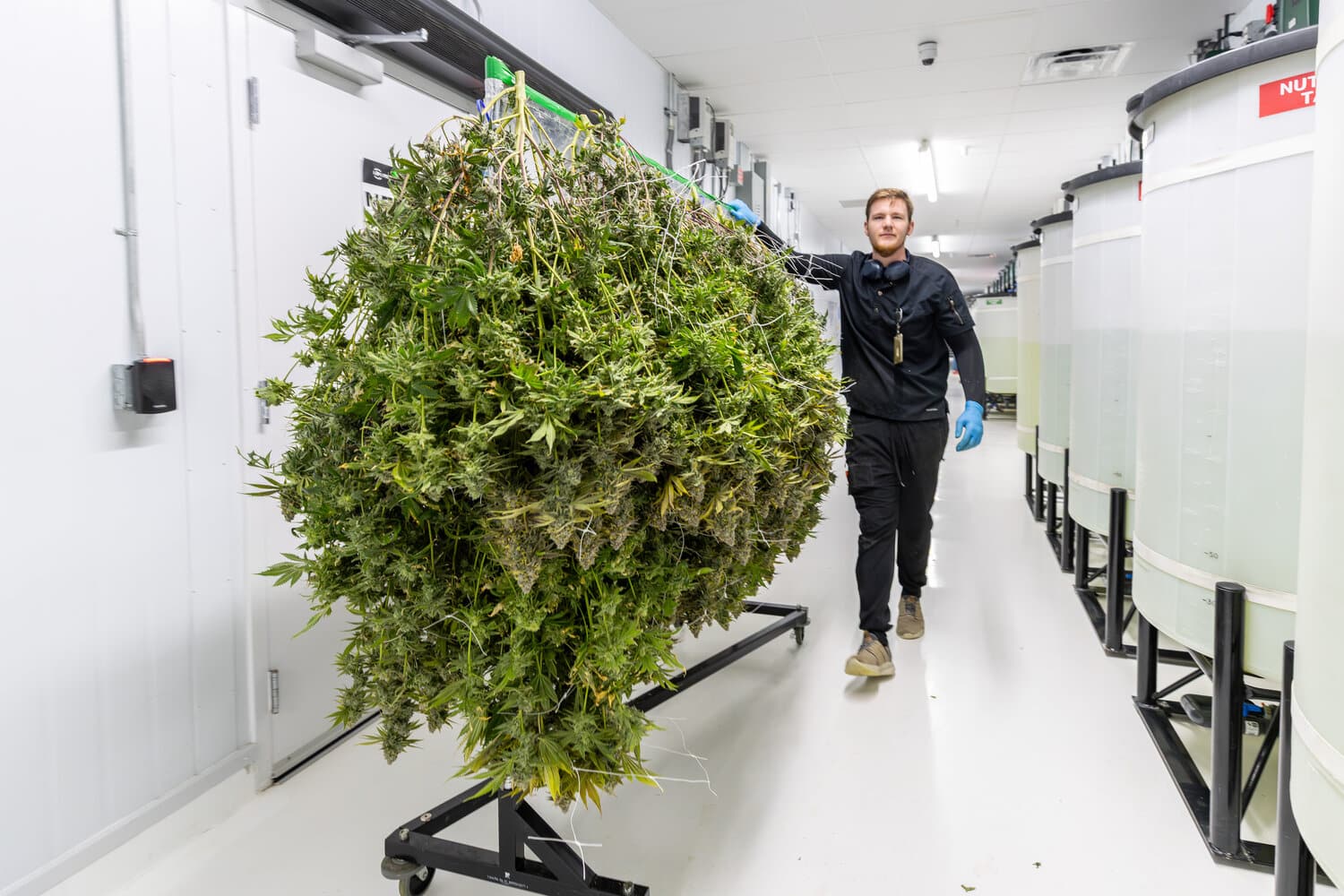
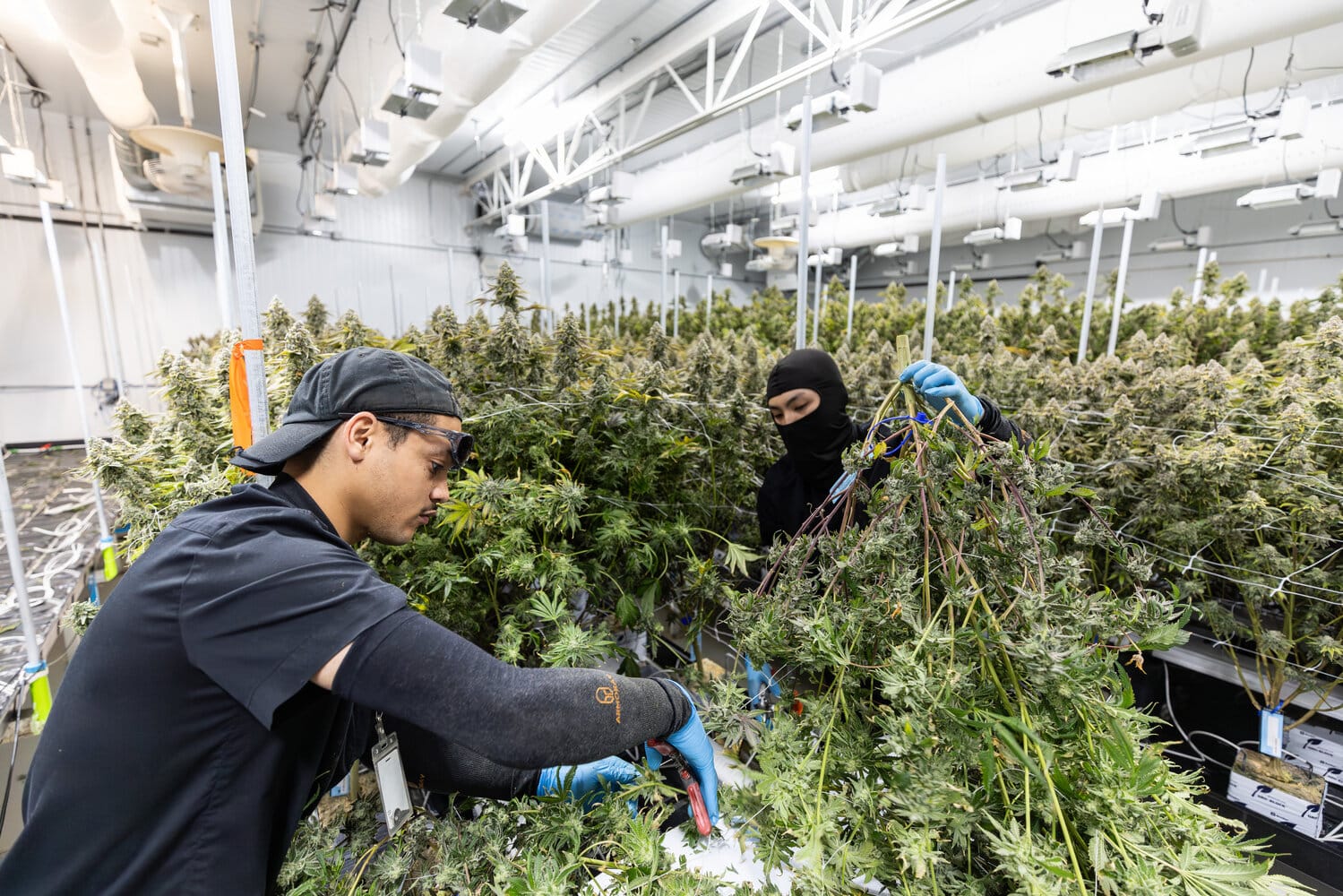

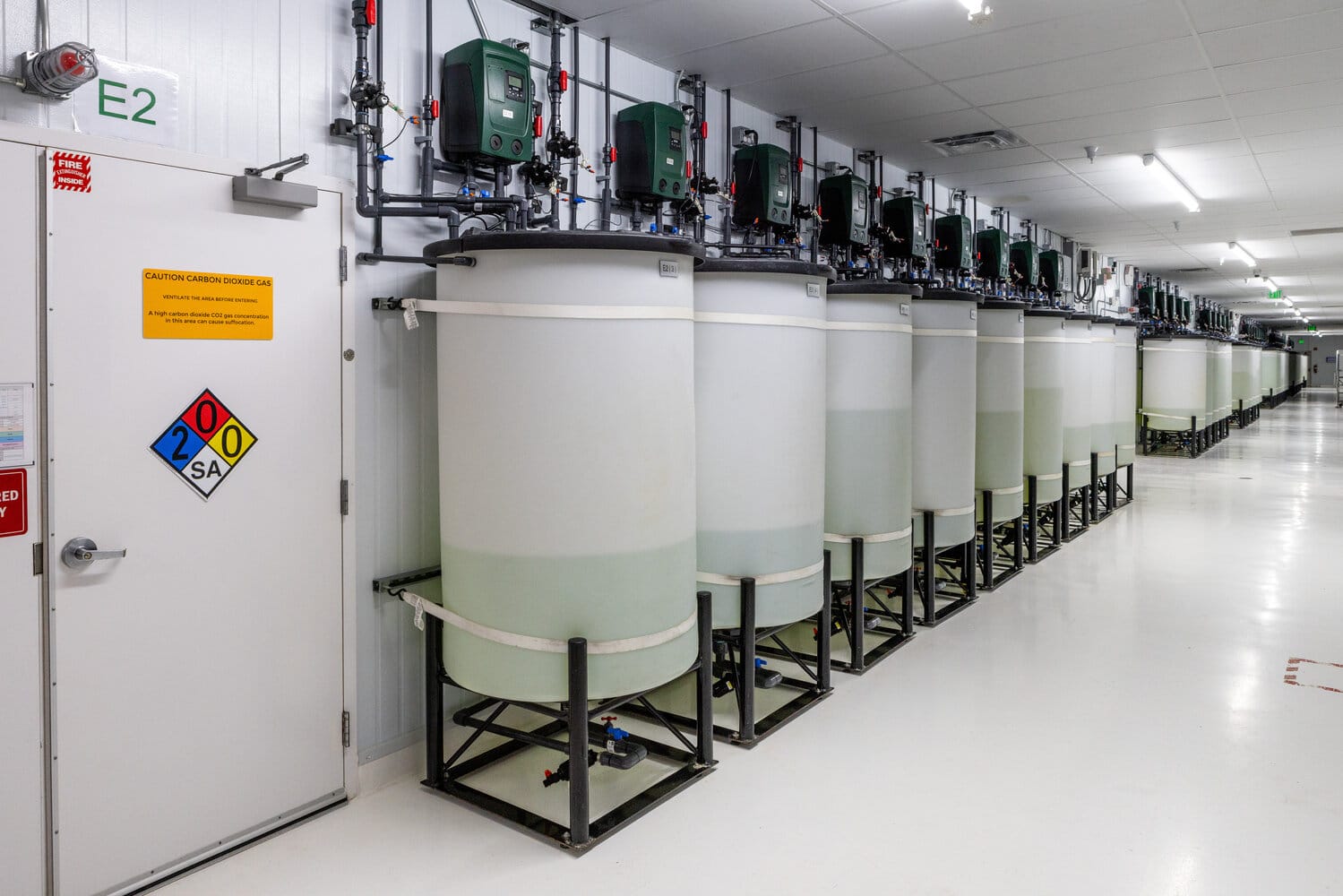
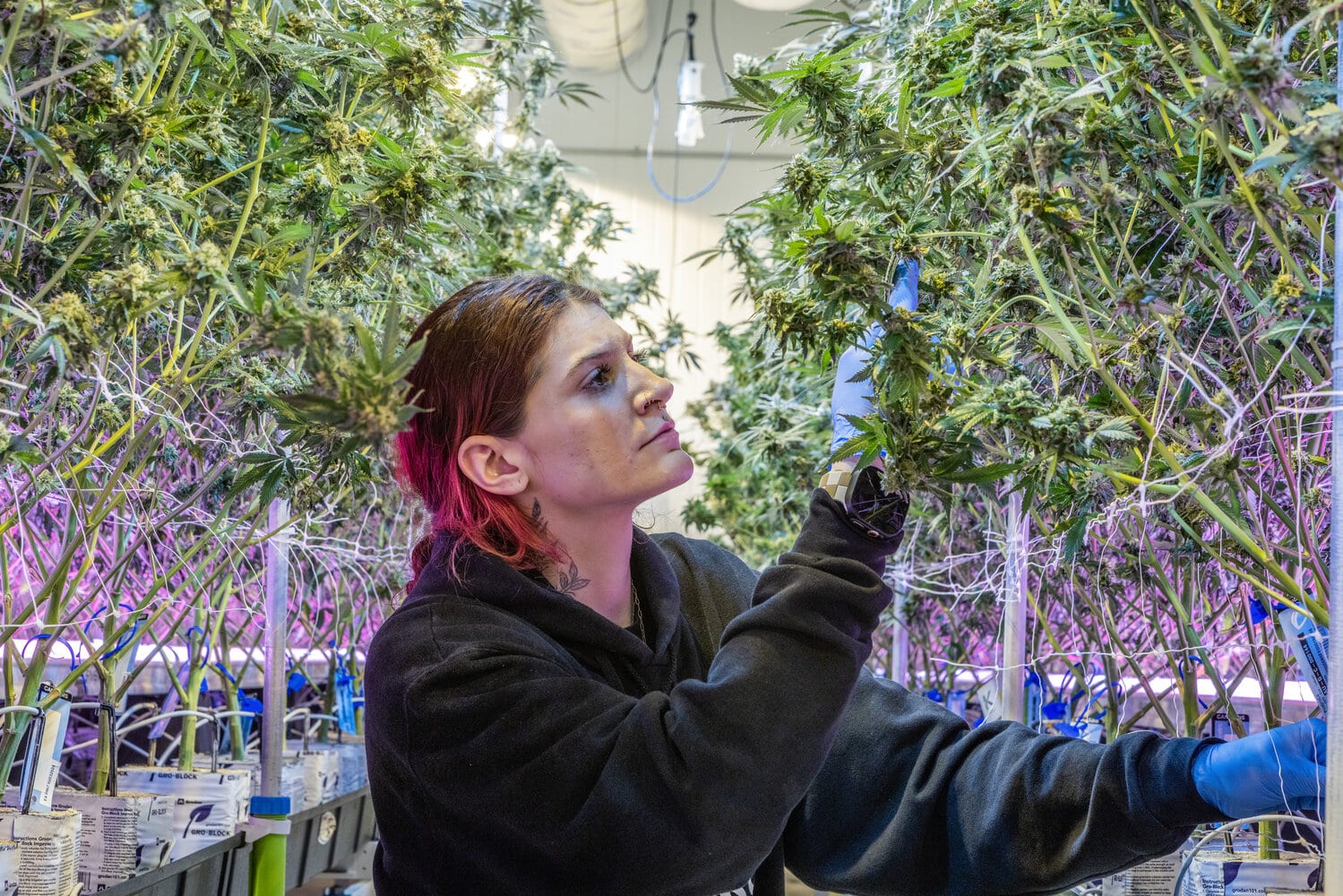
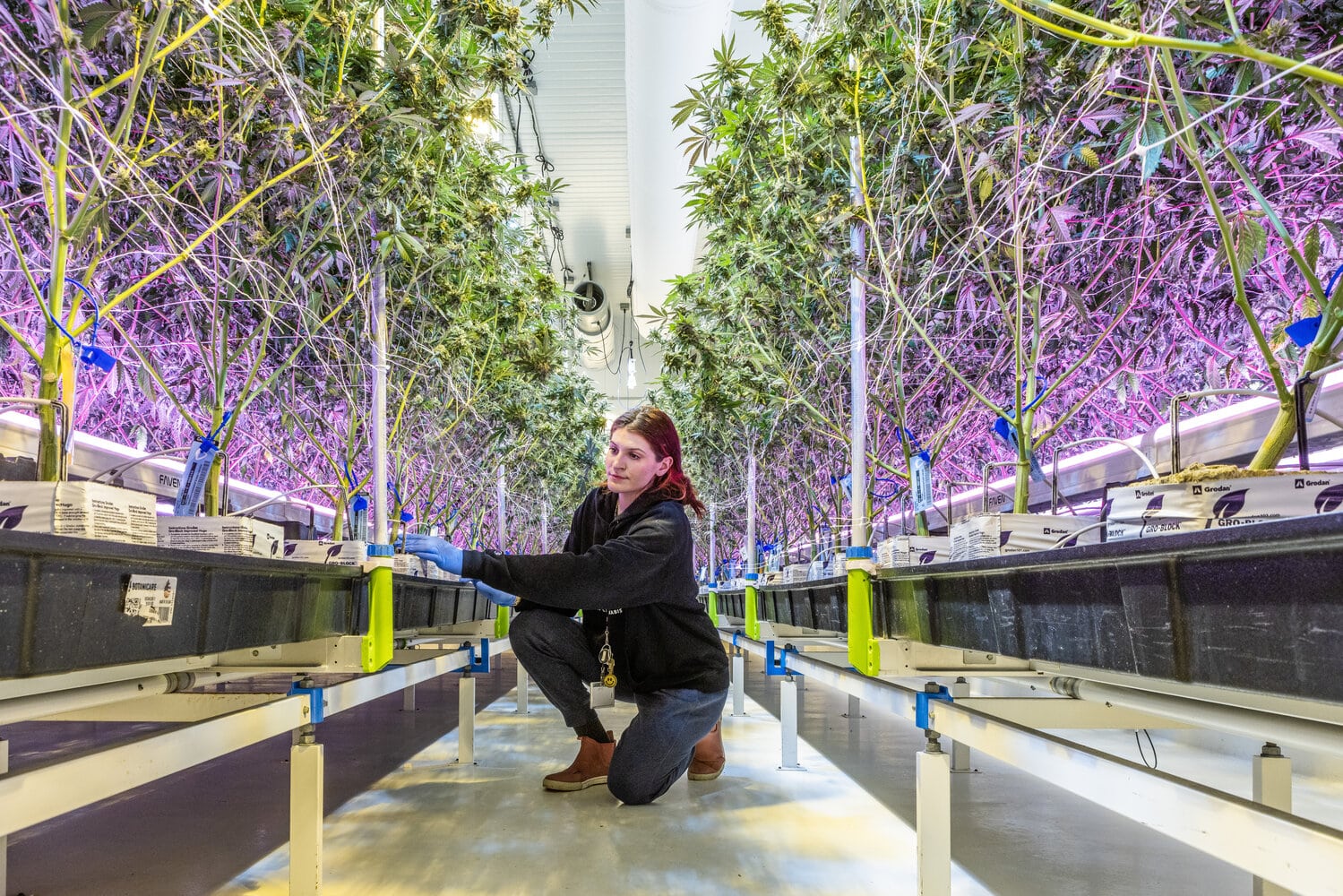
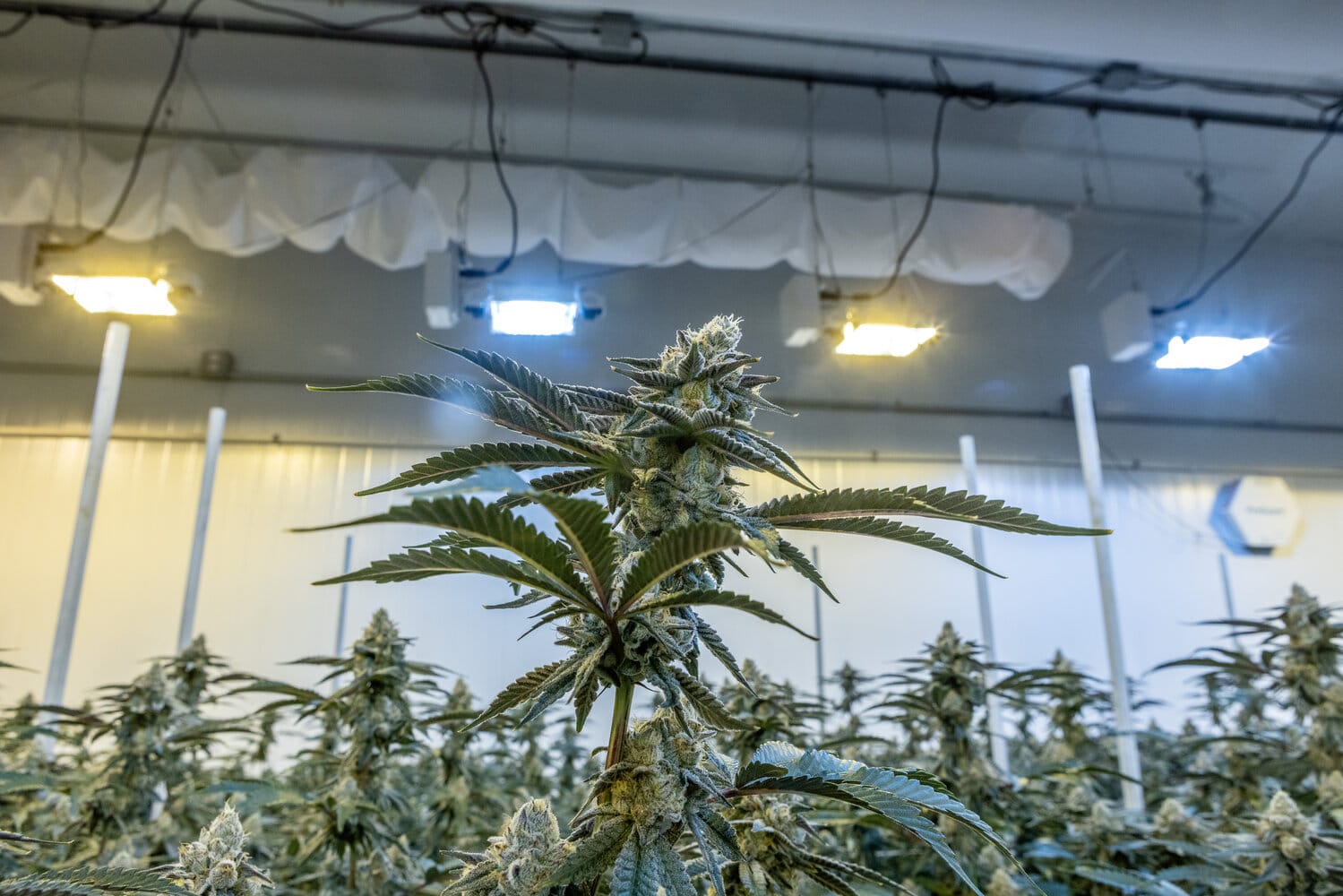
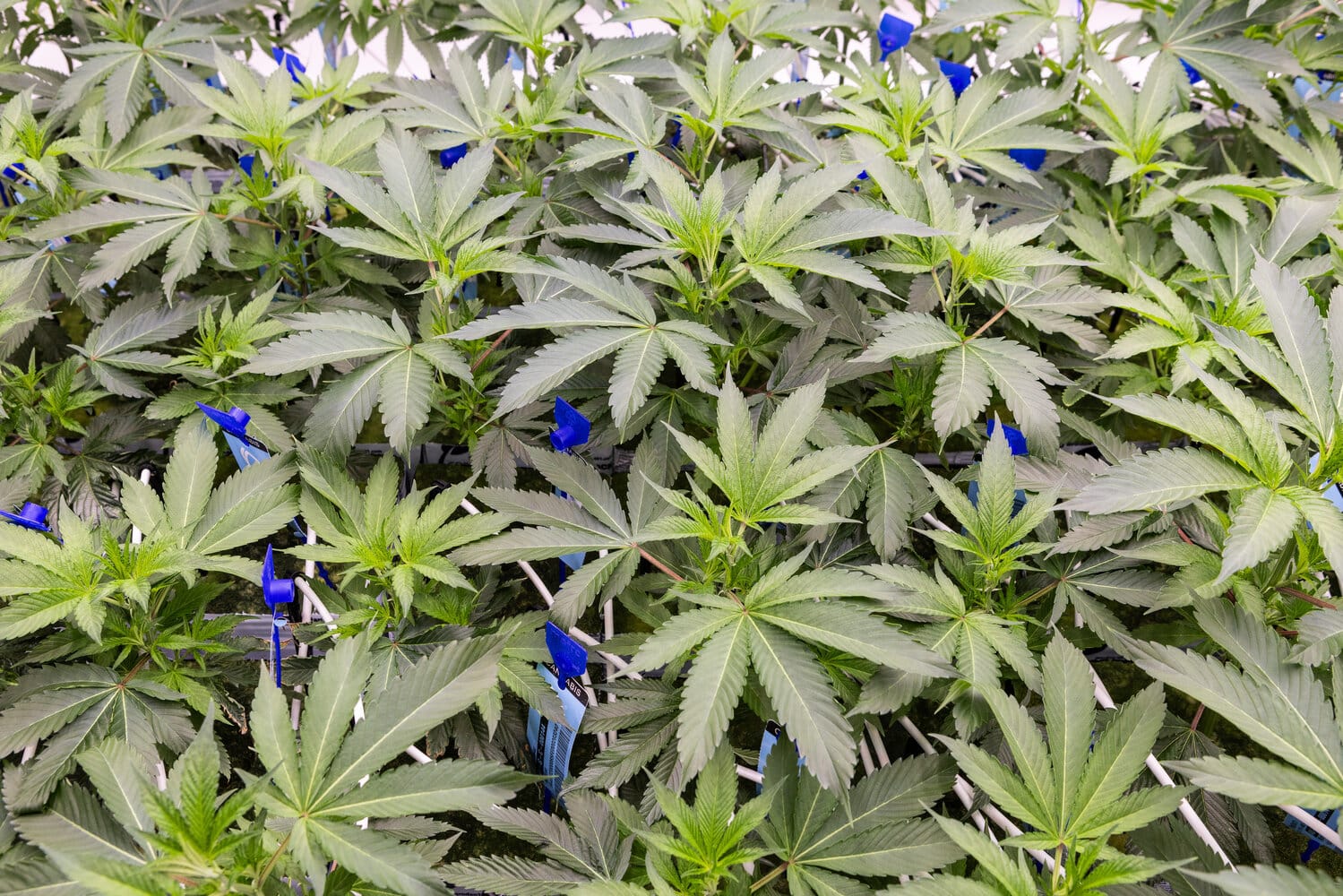
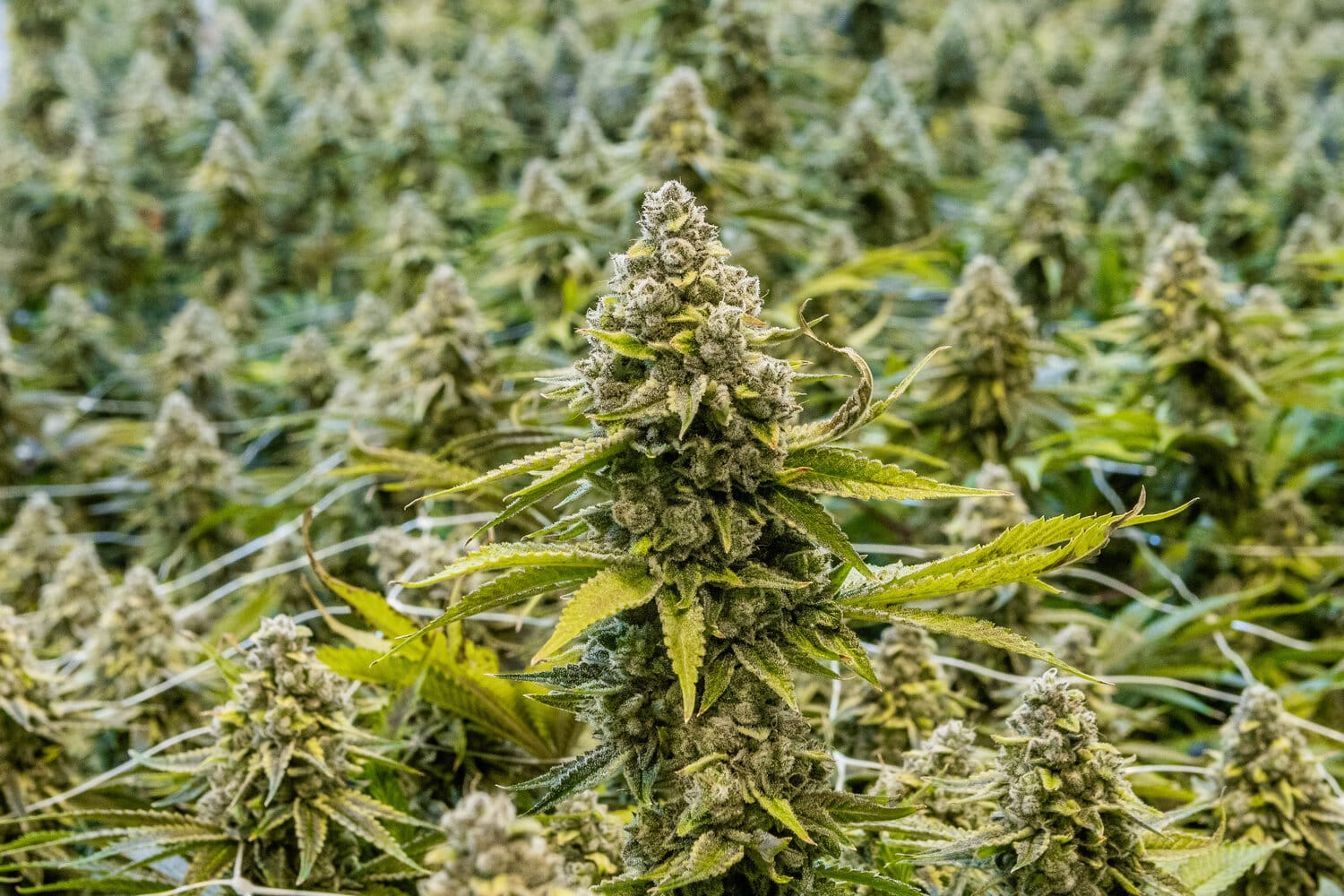
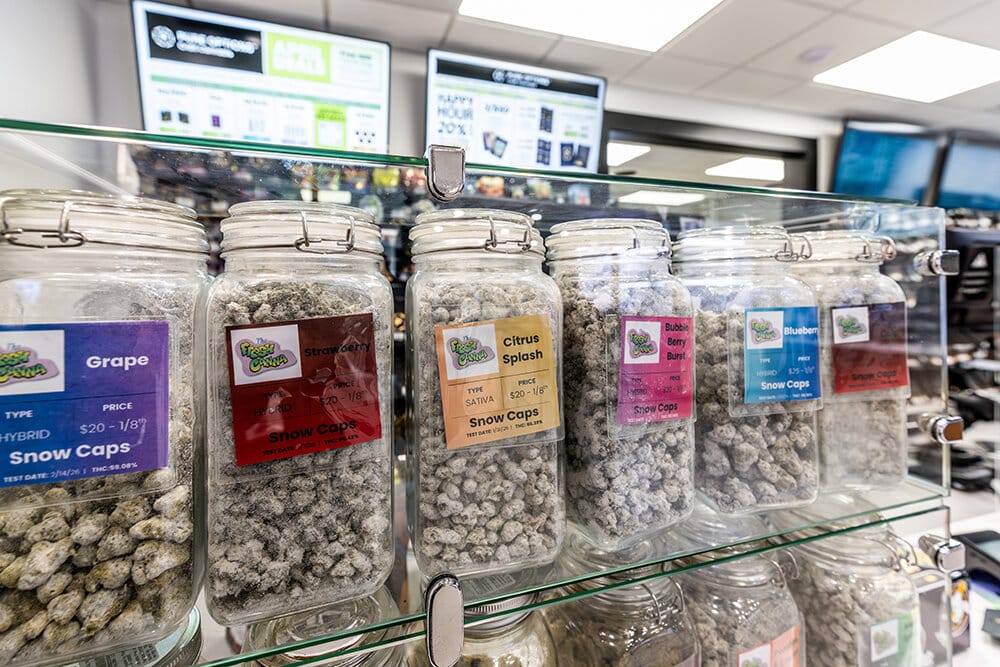
Knudson said the Michigan marijuana market is probably near stabilization, when buyers shouldn’t expect big price increases or reductions month-to-month or even year-to-year.
He said marijuana is likely less susceptible to oil cost increases than most ag products in part because it is increasingly grown indoors and even outdoors isn’t at the scale of corn or soybeans, plus the lack of interstate commerce means that supply chains, and trucking routes, are shorter.
Black market or DIY?
There could be some people who move to the black market or start growing their own.
Joyal said he grows his own personal supply, it costs him about 40 cents a gram, cheaper than Michigan’s cheap average weed of a bit more than $2 a gram, but that doesn’t count his labor or rent.
Most people, he said, won’t go through the effort of growing even for a 24% increase.
He suspects that medical marijuana, which doesn’t have to pay that tax, won’t substantially increase because of the hassle of getting licenses and finding locations compared to the ease of the recreational market, so he expects medical to will continue where it’s been for several years: a tiny fraction of Michigan’s marijuana market and largely for medical-focused clients and needs.
The tax challenges
The wholesale tax is being challenged in court, with two major pushes. One cites the will of voters and the state’s constitutional process, saying that a large tax increase for a voter-approved initiative needs the approval of voters rather than just legislators. The other objection calls the taxes excessive, for adding multiple layers called pyramiding, essentially adding a 24% tax ahead of the typical sales taxes and allegedly violating state rules about tax increases.
Daniel Rosenbaum, an associate law professor at Michigan State University and a municipal attorney, said he doubts either of the major challenges will get traction.
Both of the underlying theories have been tested, or ignored, in the past for other excise tax challenges and other industries, he said.
The voter-initiative argument says voters approved the cannabis laws and only voters can amend the basic laws, including taxes. But Rosenbaum said that would likely only apply to the specific voter-approved laws and could allow the legislature to pass other marijuana-related laws, including ones that deal with taxation and regulation.
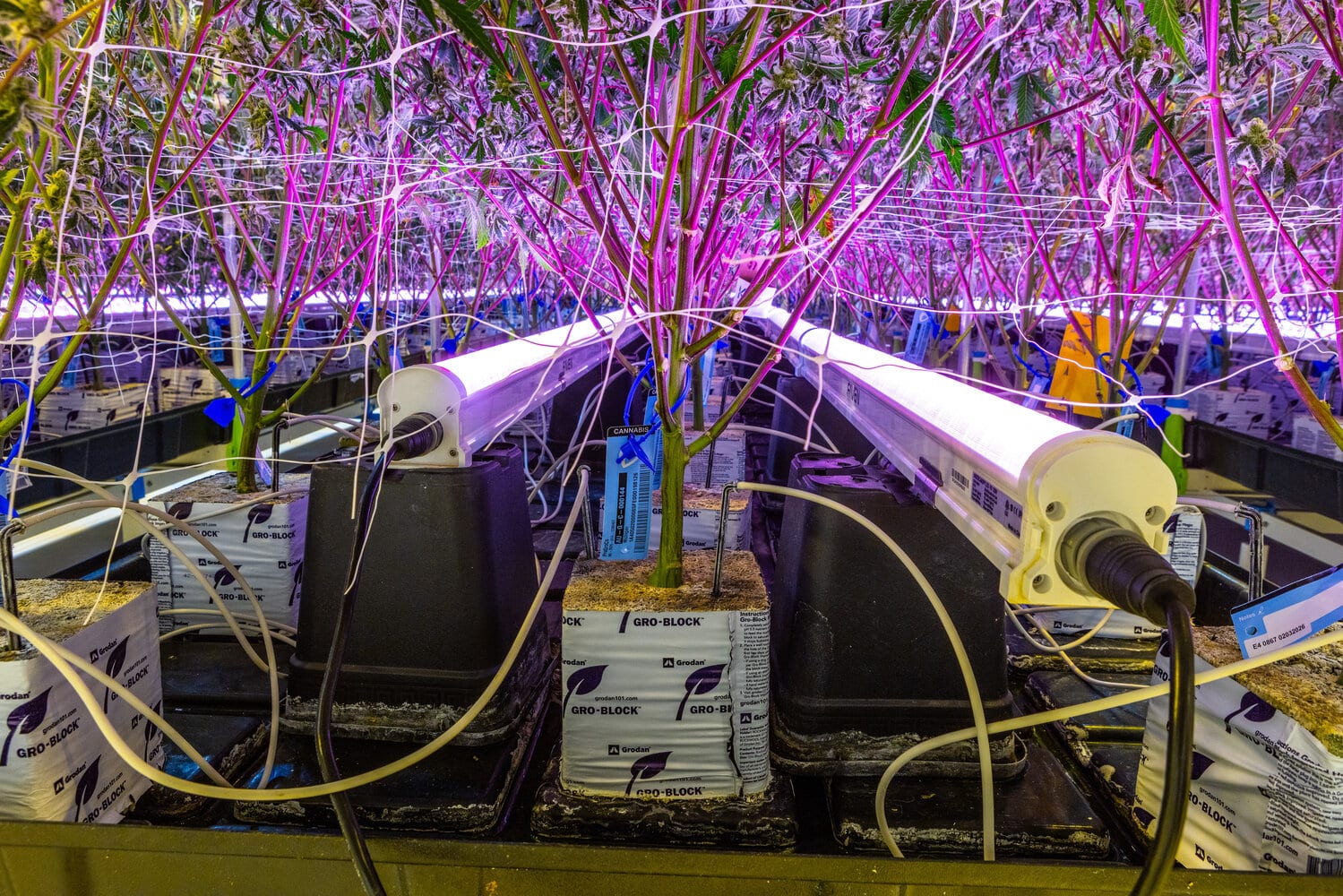
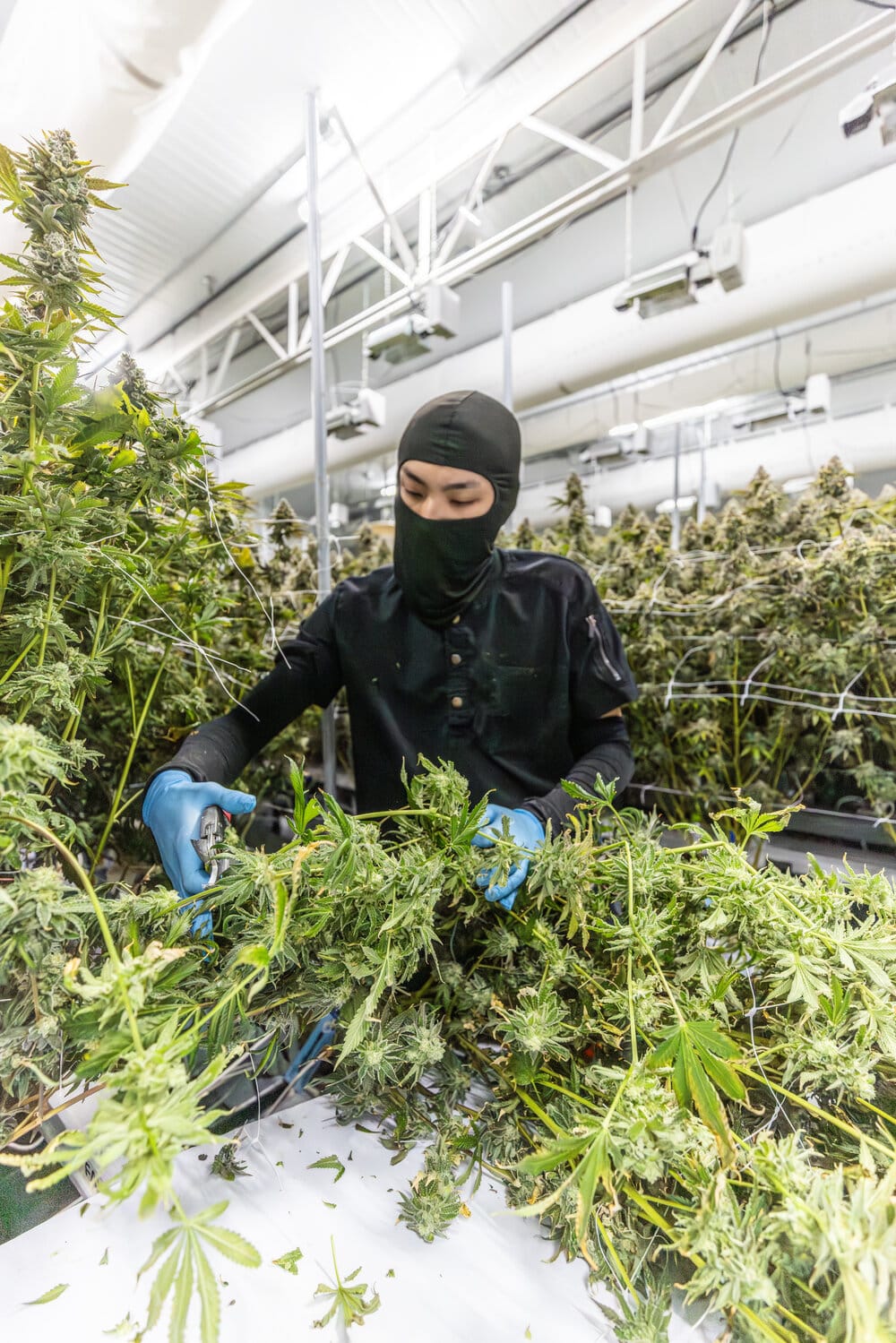
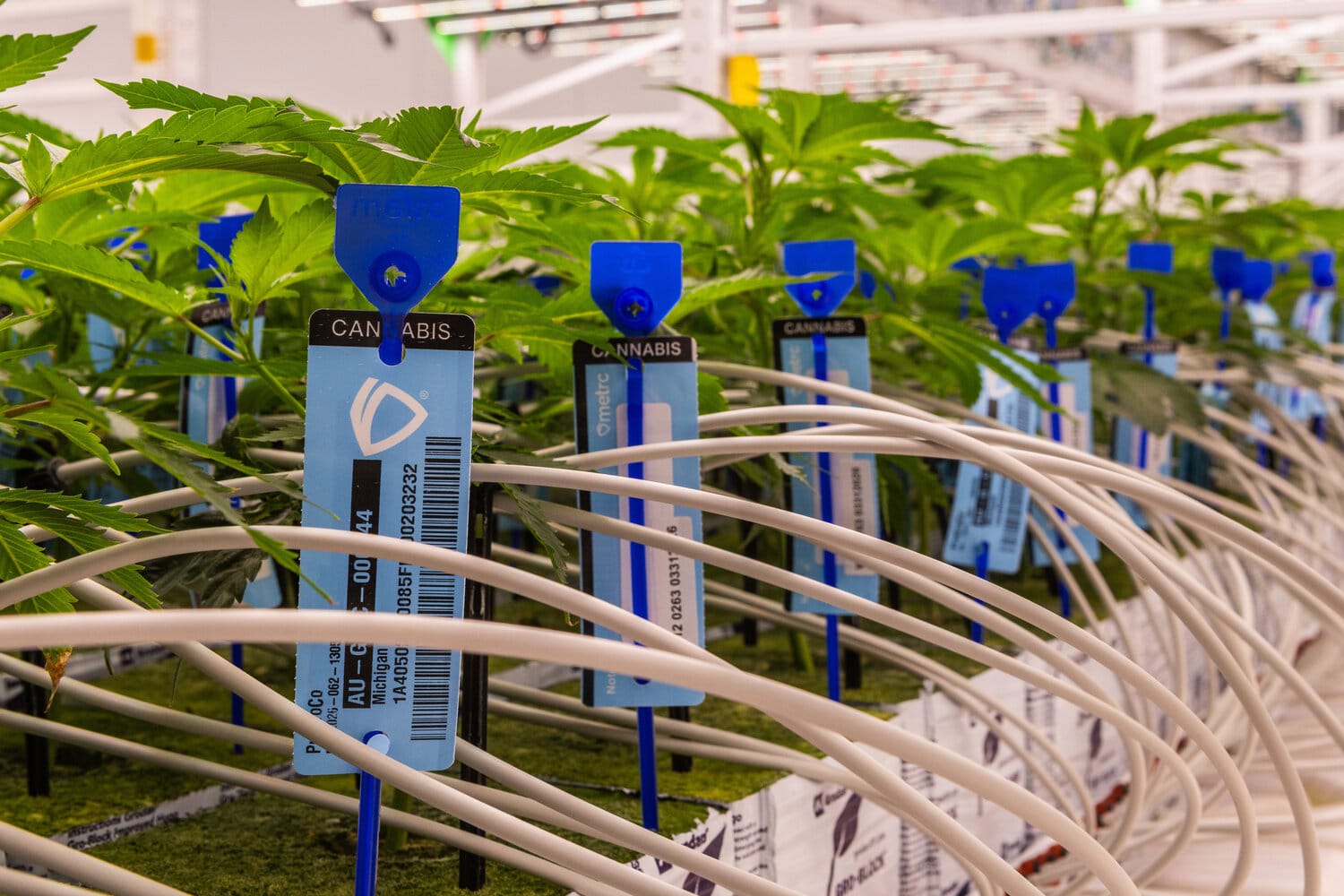
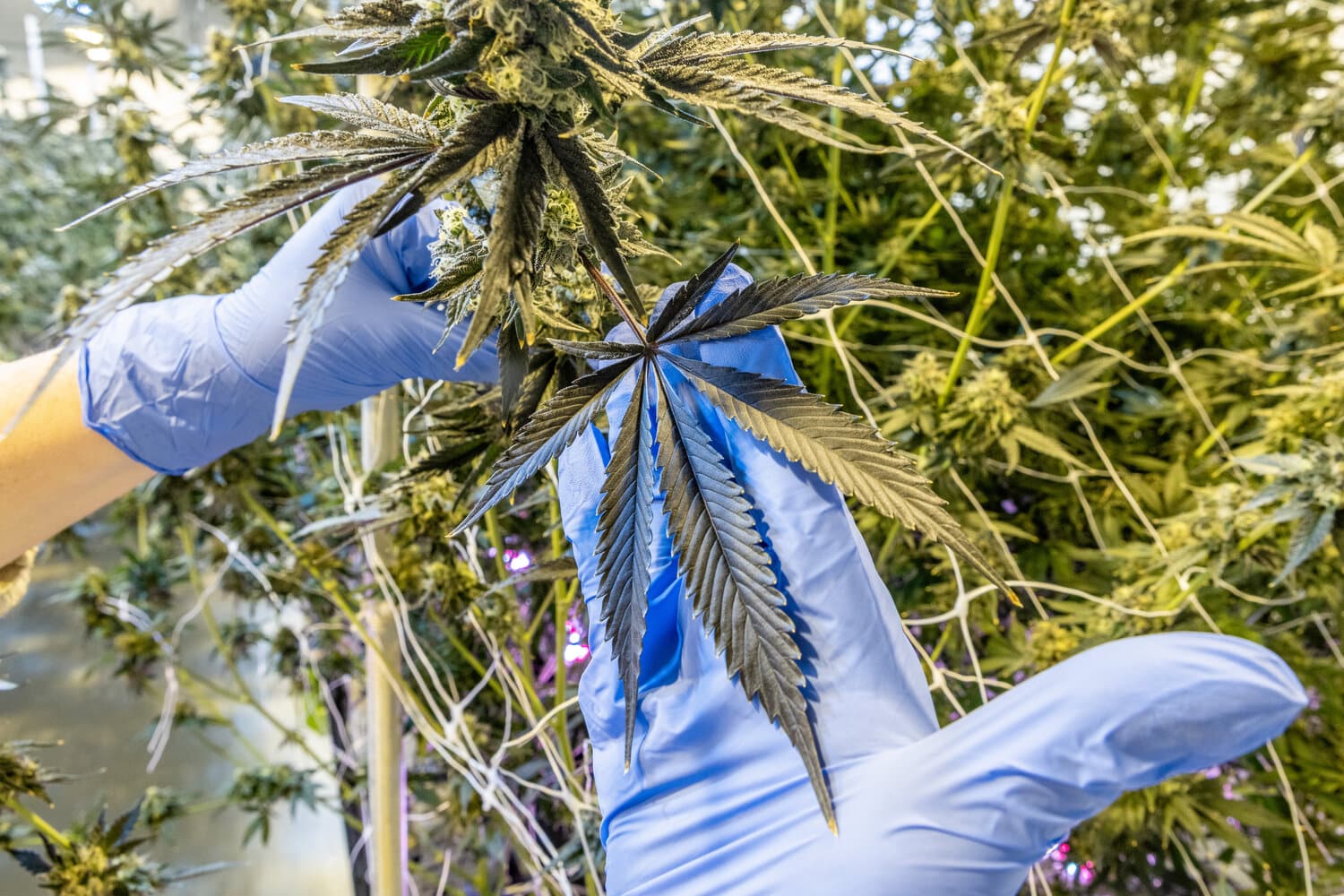
Behind the scenes photo gallery
Other legal issues
The Trump administration announced plans last year to ask the Justice Department to look into rescheduling marijuana, which could open up banking and interstate commerce, potentially erasing many of the industry’s hidden costs.
Joyal said he has heard similar moves before, from the Biden administration and others.
“Historically, they pay lip service and quietly it comes back with nothing,” he said. “I’m firmly in the I-will-believe-it-when-I-see-it camp.”
Rosenbaum said the other major legal question is how a change in land use policy nationwide could affect the cannabis industry.
Historically, he said, land use decisions like whether a shop or a farm can exist in a city are made locally.
He pointed to a recent Michigan change that moved site approval decisions for some wind and solar locations to a state-wide panel and Rosenbaum said similar reasoning could be applied to cannabis.
“Nationally, there have been housing and zoning changes,” he said. “And you can imagine that there are headwinds and tailwinds on the land use front. You can imagine legal changes that would increase or decrease local government power.”
Like craft beer
Joyal said a good model for smaller marijuana growers and operators may have an opening in the market and they can look at the craft beer industry as a model.
Craft beer has carved out a niche in the overall beer market, about a quarter, and that’s the kind of long-term that Michigan’s smaller operations should aim for, he said.
There are craft beers in every bar and grocery store, popular enough to weather yearly ebbs and flows.
“The reduction in (Michigan’s marijuana) price is real,” Joyal said.
The market in Michigan had for years rewarded vertically-integrated businesses, the kind of operations with growing, processing and retail staff.
Having the grow side was seen as a smart fiscal insurance, but the glut of plants is changing that calculus, Joyal said.
“Up until now, the vertically integrated have had a bigger safety net but as farming becomes less profitable,” he said, “that gives a leg up to dispensaries that are not vertically integrated.”