El-Sayed makes his case to voters at Grewal Hall; Calls Rogers “not serious”
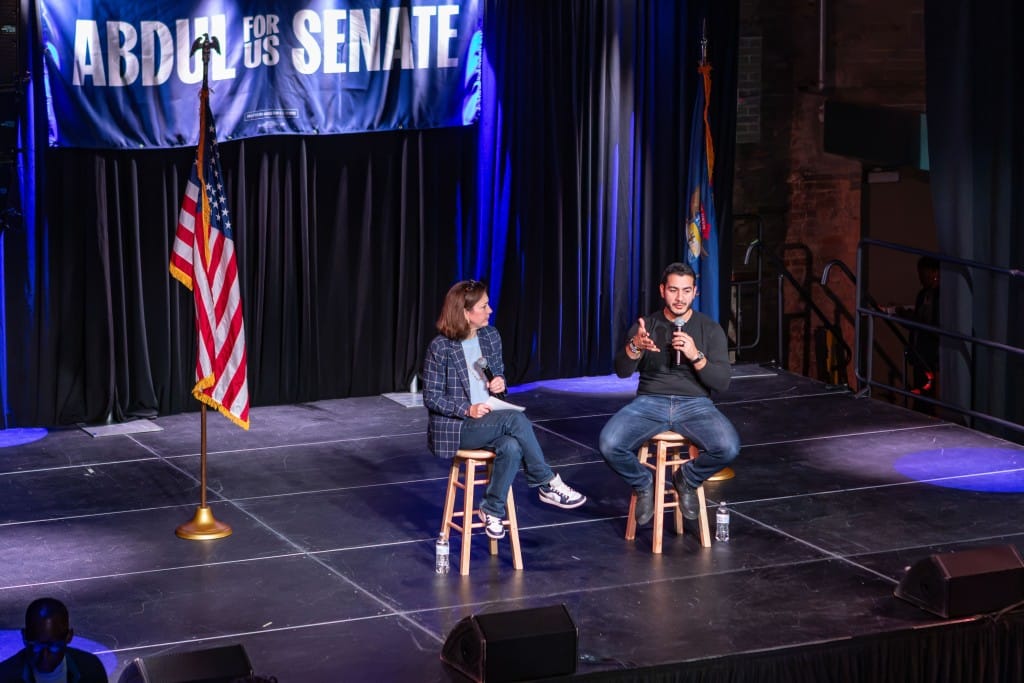
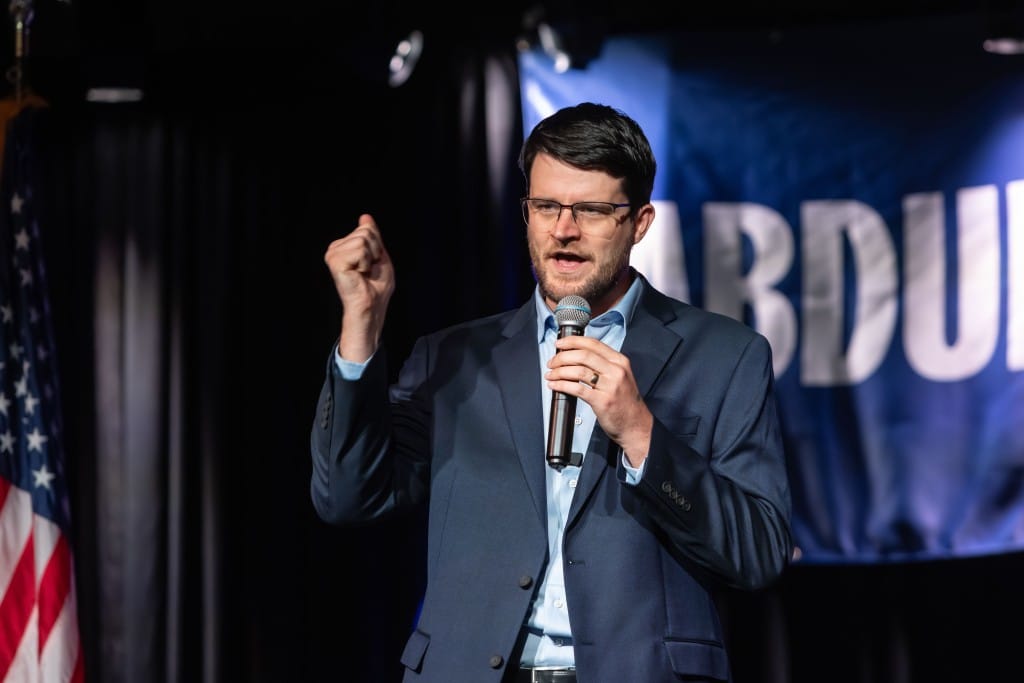
Less than 24 hours after an antagonistic U.S. Senate debate with his opponent, former U.S. Rep. Mike Rogers, Democratic candidate Abdul El-Sayed spoke at Grewal Hall in downtown Lansing, urging financial reform and an end to Citizens United.
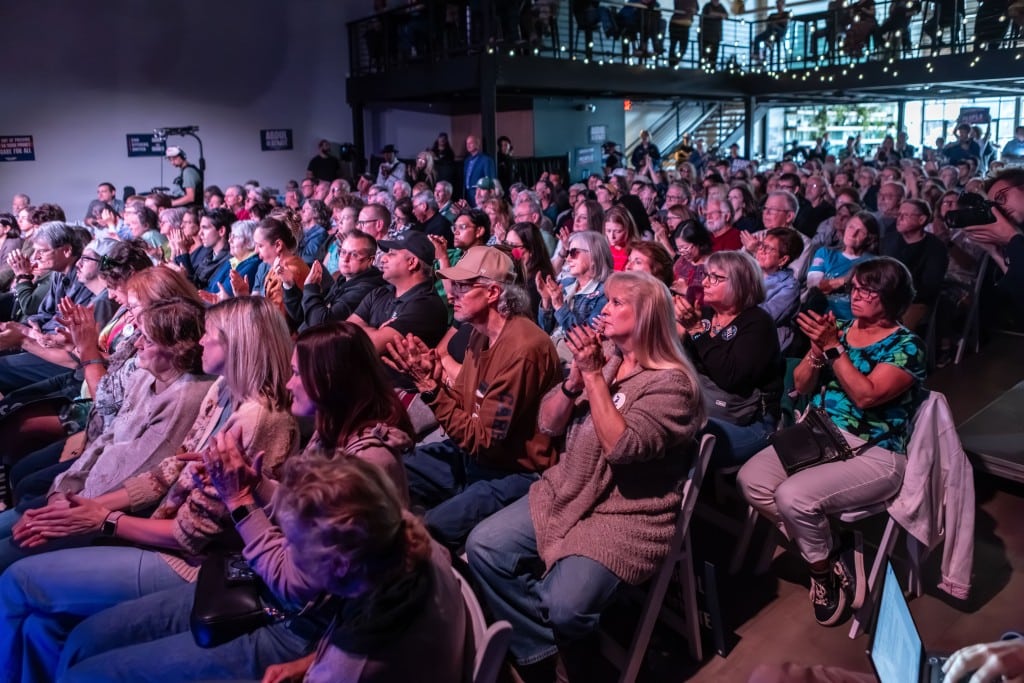
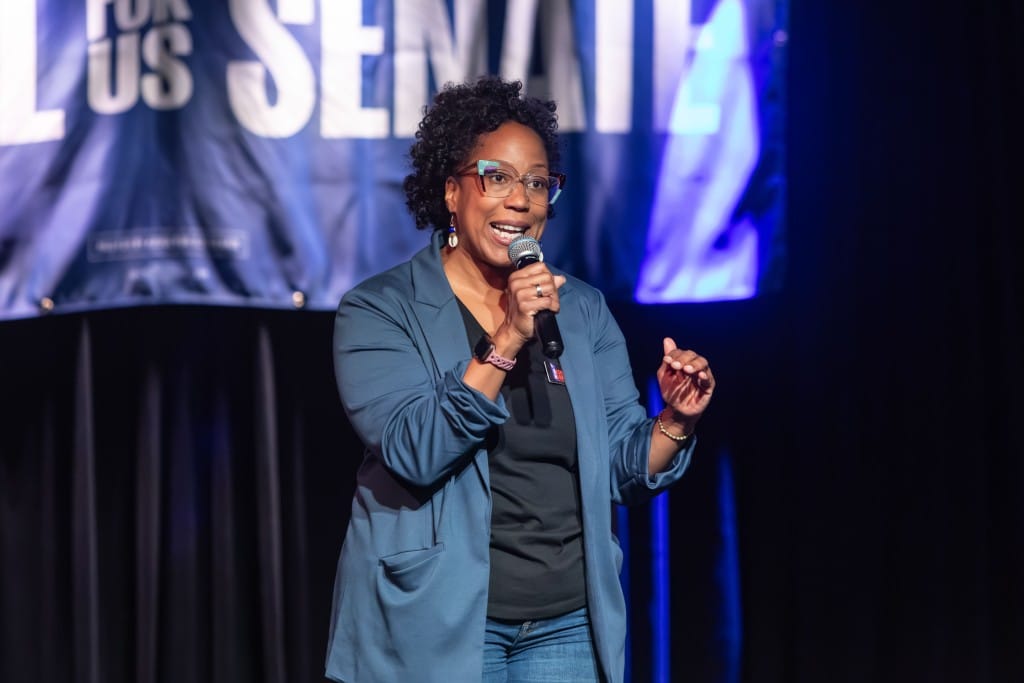
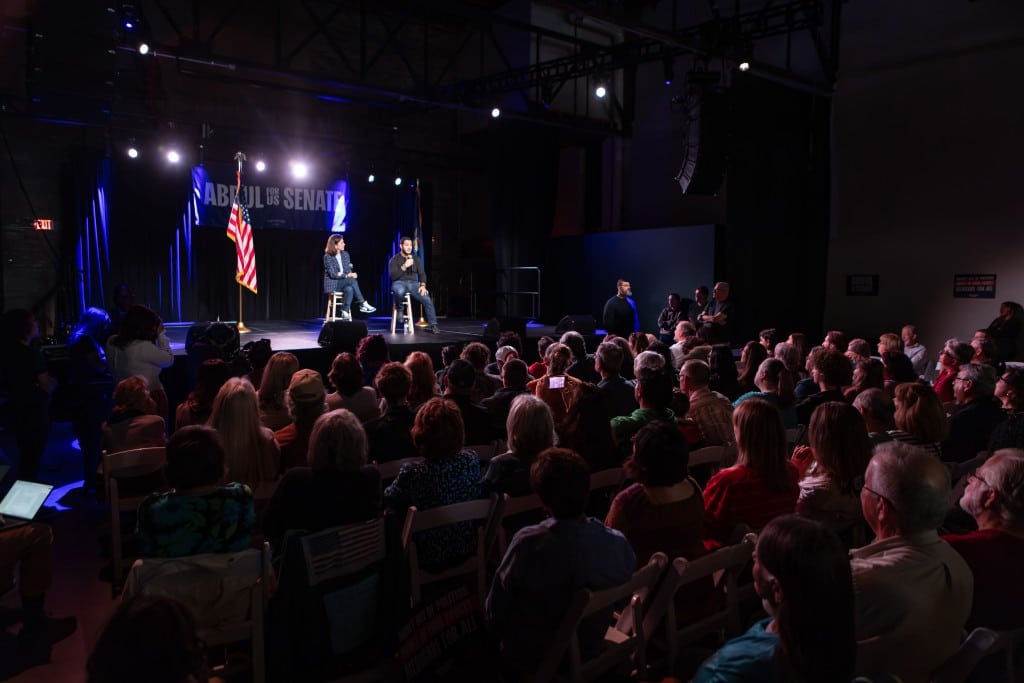
As part of an eight-day tour covering towns in Mid, Upper, and West Michigan, El-Sayed joined Tiffany Muller, president of End Citizens United, for a town hall in Lansing on Friday.
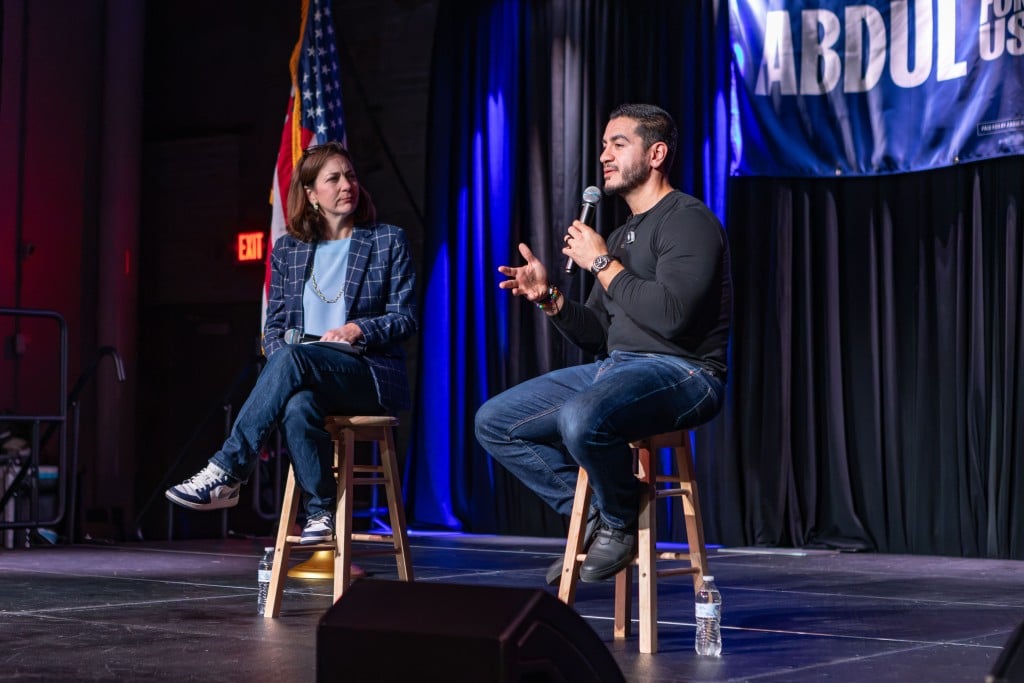
ECU seeks to overturn the 2010 U.S. Supreme Court Citizens United v. Federal Election Commission decision that increased the ability of outside groups, like corporations and labor unions, to spend on political campaigns.
“Money Out of Politics” is a key priority for the El-Sayed’s campaign and tracks with a ballot initiative in Michigan this year.
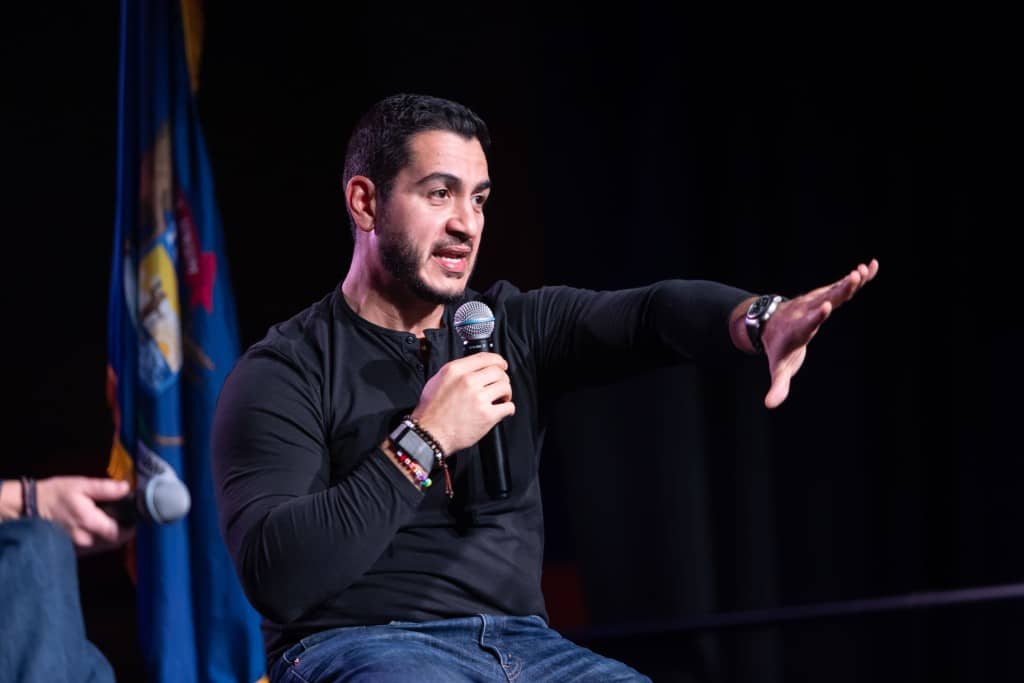
“Because of Citizens United, because of the way that our politics works,” El-Sayed said, “we’ve also allowed these huge corporations to hop over the firewall that is supposed to protect our politics from the power of the biggest players of our economy to buy politicians too.”
In a statement, a spokesperson for Mike Rogers’s campaign called El-Sayed “a policy lightweight.”
“Mike Rogers, however, is focused on solutions to the challenges Michiganders are facing, not just slogans. From his comprehensive plans to make housing and healthcare more affordable, to his focus on reading reclamation, Mike Rogers is ready to tackle the issues head-on.”
El-Sayed pushed for a ban on stock trading. “If you’re trading stock and you have insider information, you can then start to short stocks or long stocks based on how regulations you vote on shape those stocks,” El-Sayed said. “So what this means is that those members of Congress, they’re not there specifically to carry out your fiduciary duty to you as a resident citizen who voted for them.”
El-Sayed linked insider trading and outsider group campaign spending with two other campaign points: “Money in Your Pocket” and “Medicare for All.”
His plan for expanding healthcare coverage means “no premium, comes with no copay, comes with no deductible,” covers an individual for their entire life and eliminates network-based care.
“It’s good wherever you need to get healthcare,” El-Sayed explained to the audience, “and it buys you out of ever having to worry about getting debt … almost everybody in this economy has this experience where you get sick, and you’re like, ‘Damn, I have to see a doctor.’”
“You know why? Because you know it’s going to come with a bill, even if you’re insured.”
El-Sayed rehashed comments made in Thursday night’s debate about his opponent’s acceptance of corporate PAC money and investments in companies “that would benefit from the data center boom.”
Fact-checking performed by Bridge Michigan regarding statements made during the debate found that the Republican candidate does have between $100,001 and $250,000 in Blackstone Real Estate Income Trust, which is helping bankroll the Saline data center. However, “the property is controlled by a subsidiary of Related Companies Inc.” The report also said El-Sayed has disclosed having between $50,001 and $100,000 in a mutual fund that has companies including Apple and Nvidia, which have investments in AI technology.
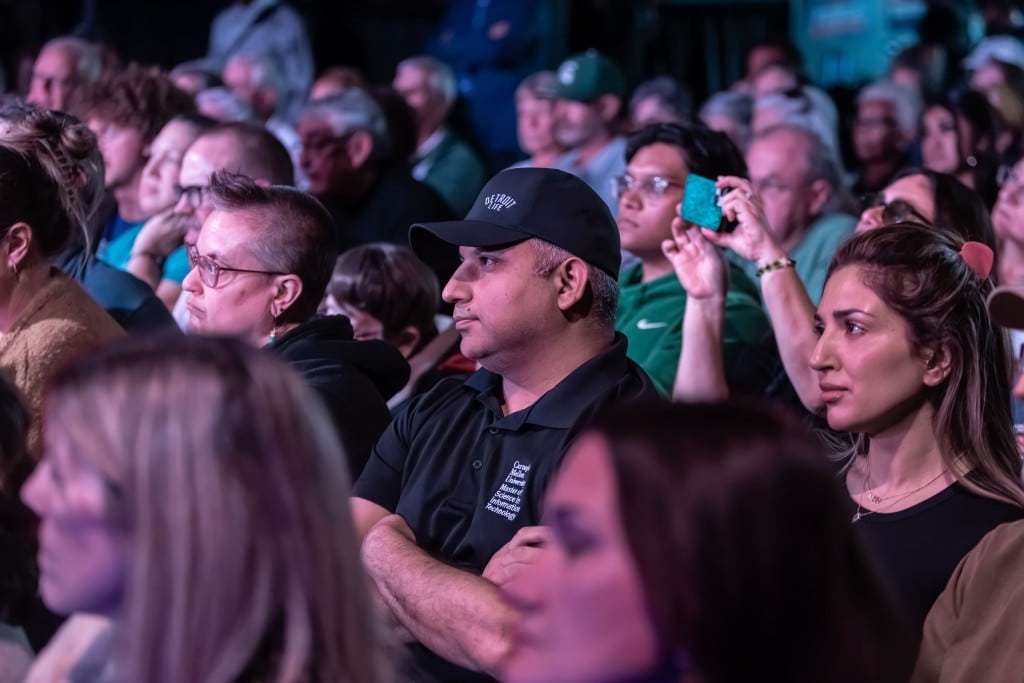
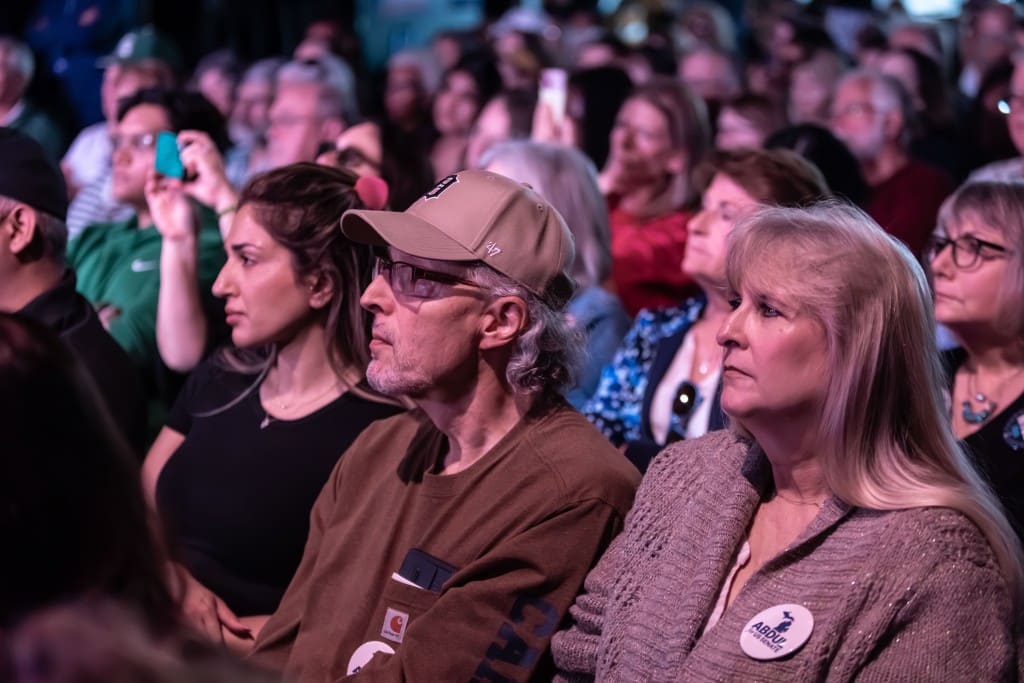
Artificial intelligence and data centers are a hot-button issue for voters. Some, like one audience member at El-Sayed’s event, are wary of El-Sayed’s proposed data center regulations.
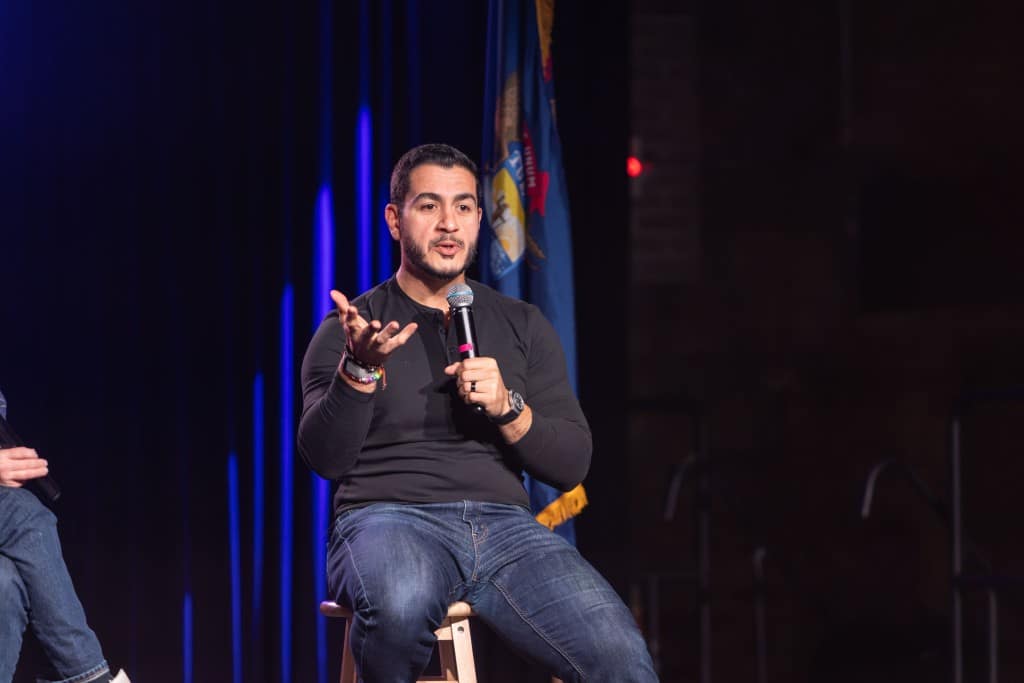
In response to an attendee’s question about the issue with data centers, El-Sayed said the problem is with sustainability and accountability.
“The issue with AI, the tech that is being built off the back of data centers, is that it is incentivized to pick the lowest-hanging fruit, which is other people’s jobs, and the process by which it’s happening may not be sustainable on its own terms,” he said in response. “I’ve been really clear that we need no-gos for what AI can do. AI shouldn’t be able to fire a weapon. Shouldn’t be able to fire you. Shouldn’t be able to fire off your health care and tell you what healthcare you don’t need or should need.”
When asked about whether the debate pushed constituents away from voting for him, El-Sayed told reporters his opponent “made it personal.”
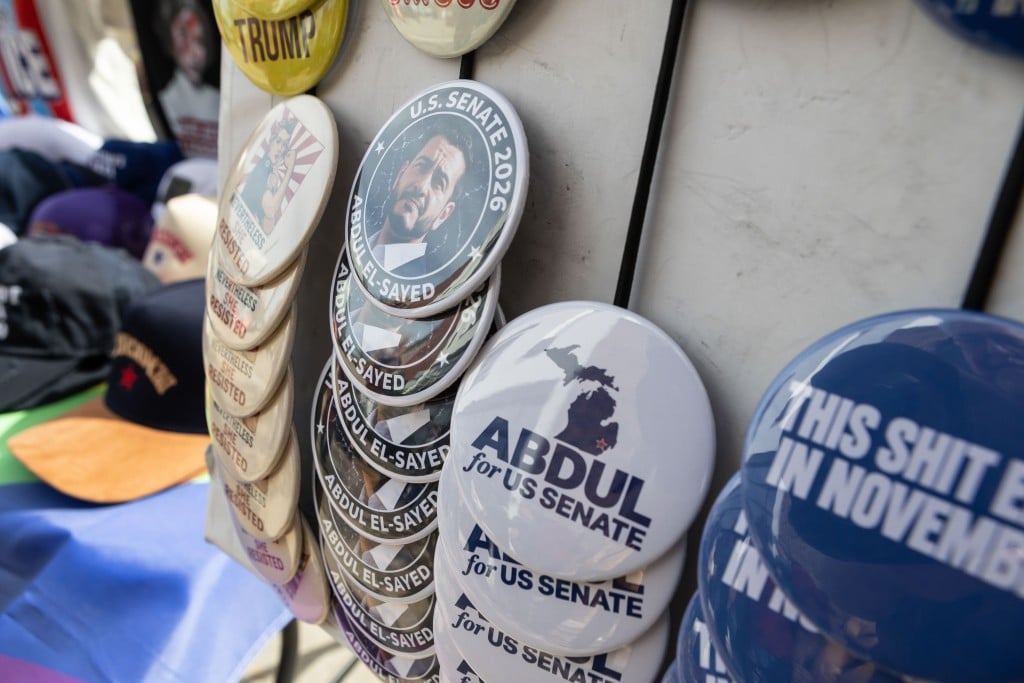
“I would love to have a conversation about public policy. This guy, when he was asked a question about public policy, pointed to an HTML website he made,” he said. “Very cute website, by the way, but also not a serious human being, just truly not serious.”
El-Sayed said he “would love for the next debate to be a policy discussion.”
A second debate is scheduled for October 21, hosted by WXYZ-TV in Detroit.