Whitmer proposes $88.1B budget as state reckons with federal cuts
Heading into her final budget season, Michigan Gov. Gretchen Whitmer has proposed $88.1 billion in funding for the 2027 Fiscal …
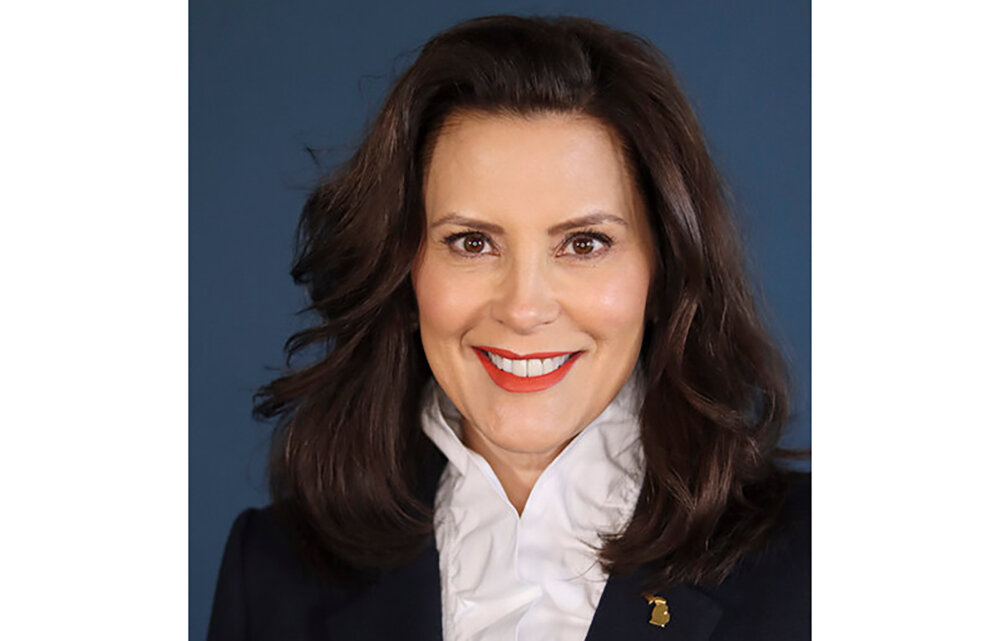
Heading into her final budget season, Michigan Gov. Gretchen Whitmer has proposed $88.1 billion in funding for the 2027 Fiscal Year, a pitch she says would double down on her administration’s long-term priorities while offering financial relief to Michiganders.
Of that $88.1 billion, $13.6 billion would be allocated to the state’s general fund and $21.4 billion for K-12 education. The governor also proposed a $400 million withdrawal from the state’s rainy day fund, which is used to help stabilize revenue during economic downturns.
Whitmer did not deliver her final budget recommendations in person. State budget officials laid out the proposal while highlighting challenges heading into this year’s budget season, citing impacts from the federal One Big Beautiful Bill Act.
Although budget officials projected the federal law would cost the state $10 billion by Fiscal Year 2032, State Budget Director Jen Flood said the state was able to take steps during last year’s budget process to mitigate some of those impacts. However, the policy is still expected to cost the state nearly $4 billion by 2032, with costs increasing over time.
Heading into Fiscal Year 2027, the state also is facing a $1.8 billion gap in funding, which Flood said is largely driven by declines in revenue, rising health care costs, the direct fiscal impact of the One Big Beautiful Bill Act and persistent inflation across sectors.
The governor’s proposed budget includes a narrow set of investments to preserve access to health care, create jobs and keep communities safe, Flood said, calling the budget a responsible mix of new revenue proposals, cuts and use of reserve funds.
“We’re confronting the numbers strategically, making deliberate choices to preserve what matters most,” Flood said. “By focusing our resources thoughtfully, we can protect our services, strengthen infrastructure and make targeted investments that help our communities thrive, even in the face of ongoing fiscal pressures.”
Lowering costs, supporting education and protecting access to health care and keeping communities safe were key priorities in the governor’s proposal, Flood said.
In line with those priorities, Whitmer recommended a $250 increase in funding per student, for a total of $10,300 per student.
The governor’s budget also sets aside $200 million for the state’s free school meals program while asking the Legislature to cement the effort as a permanent piece of the school aid budget.
The proposal also includes $625 million to support student literacy as the state continues to rank among the worst in the nation for fourth-grade reading scores. The governor has set literacy as a top priority for her final year in office.
Whitmer also asked the Legislature to expand eligibility for the state’s Great Start Readiness program to provide free pre-K to all four-year-olds in the state, and to include new funding to encourage students in areas with high concentrations of poverty to take advantage of college dual enrollment opportunities.
Other highlights from Whitmer’s budget include:
An expanded tax credit that would provide property tax relief to 335,000 seniors by refunding approximately 10% of their property taxes.
A sales tax holiday on school supplies
$43.2 million for the Election Equipment Reserve Fund, which supports local election administration and maintenance of election equipment
$1.6 billion for Michigan road repairs and maintenance
Continued tax exemptions on tips, overtime and Social Security
Amid federal cuts to health care, Whitmer also proposed several new revenue streams to support Michigan Medicaid, providing $780.4 million in total. This includes $232 million through updates to Michigan’s tobacco tax rate,
$73.6 million from taxing vaping and non-tobacco nicotine products similarly to other tobacco products, $282 million from a tax on digital advertising and $192.8 million from updating the state’s internet gaming, sports betting, and online gaming tax structure.
A portion of the vape tax revenues would also support programs to support smoking and cancer prevention and youth mental health.
“If we fail to fully fund Medicaid in Fiscal Year ‘27 the consequences will be real,” Deputy Budget Director Kyle Guerrant said. “Providers could face deeper financial strain, access to care could narrow, wait times could increase, and rural hospitals and long-term care facilities who are already operating on thin margins would be at great risk of closing.”
In order to implement federal changes to both Medicaid and SNAP, the federal low-income food assistance program, Whitmer recommended setting aside $186.6 million to ensure compliance and help Michigan residents retain their benefits. $60.4 million of that funding would go to the Department of Health and Human Services for ongoing staffing and beneficiary support, while $30 million in ongoing funds are allocated to the Department of Labor and Economic Opportunity for job search support and training, employment services and apprenticeships to help residents meet new work requirements.
With governor’s proposal on the table, the budget clock begins
With revenue estimates and the governor’s budget proposal in hand, the Democratic-led Senate and the Republican-led House are set to begin assembling their own budget proposals. However, last year’s tumultuous budget process, in which lawmakers blew past the state’s legally-required July 1 budget deadline and nearly reached a government shutdown, continues to cast a shadow over this budget season.
“I think we would be kidding ourselves if we thought that last year was a successful process,” Senate Appropriations Committee Chair Sarah Anthony said, calling on her fellow senators in attendance to join her in recommitting themselves to professionalism and preparing to negotiate across the aisle.
However, Michigan House Speaker Matt Hall (R-Richland Township) has already ruled out any potential tax increases as well as withdrawing money from the rainy day fund, instead calling for $1.2 billion in cuts to address the revenue shortfall.
“There will be no tax increases in this budget when we do this deal,” Hall told reporters at a press conference held ahead of the budget presentation. “Instead, we’re gonna have to live within our means just like the people of Michigan do when they have increased expenses.”
House Appropriations Chair Ann Bollin (R-Brighton Township) similarly told reporters after the presentation that she was skeptical of whether a revenue increase would be needed.
“Are they proposing revenue increases because they’ve expanded the size of government?” Bollin asked. “That’s a very different question than raising the revenue because there’s a need for it.”
Bollin and state Rep. Jim DeSana (R-Carleton) also said they would like to see property tax relief for residents across the board, rather than just seniors.
Heading into this budget cycle, Anthony acknowledged that the state would need to be creative given the restraints on state funding, but said that Republicans would need to show their work to show where funding cuts would come from if the state does not bring in additional tax revenue.
“My North Star goal is that we’re not harming people as we’re making those types of reductions and also not robbing the rainy day fund,” Anthony said. “So I think we have a lot of work to do to find the right balance, but ultimately, this is going to be a very difficult budget year.”