Jon Whiting is one of the people who extend the ladder
The transition from summer into fall has always felt more like a new year to me than Jan. 1.
January arrives in the middle of a Michigan winter, when everything is too cold and meh. A new school year meant new shoes, new friends and the possibility of stumbling into an adventure you never planned. Nearly a decade after my last university class, I still feel that possibility every fall.
For me, one of those unexpected adventures was poetry.
When I began studying at Michigan State University in 2008, I spent much of my time in the Communication Arts and Sciences building. Nearly every student inside was some kind of dreamer. We wanted to make films, record music and tell stories. Our careers had no obvious paths, but we believed greatness and opportunity would somehow be magically granted to us.

Dreams, however, need more than dreamers.
Dreams need people willing to nudge them, someone who will extend the first rung of a ladder before a student knows they are ready to climb.
For me, that person was my audio engineering professor, Jon Whiting.
One day, while we were working on recordings, Whiting unexpectedly asked me to share a poem. I had only recently discovered poetry, joined a group and participated in a poetry slam organized by MSU’s University Activities Board. I had no idea how Whiting knew I had begun writing.
But somehow, he did.
I read a poem about dating myself, which included language I would probably leave out if I wrote it now. My classmates laughed at the funny parts and cheered when I finished.
I remember having one of those rare moments of certainty: This right here is for me.
That small classroom exercise became one of my core memories. It taught me how far simply paying attention to someone can go, especially when that person is still discovering who they might become.
Whiting and I recently met for food. I asked him how, decades later, he still gets excited about student feedback. He joked that he still hoped to be everyone’s favorite teacher and looked forward to reading the positive and negative comments over Rice Kitchen. I remember feeling that he genuinely wanted to be in the classroom with us. He wanted every student to succeed, however they defined success.
Whiting also encouraged us to leave campus and spend time in Lansing. He wanted us to film throughout the city, attend events and meet people beyond the university. He told us some of his favorite college memories came from venturing west of U.S. 127. That’s where he learned, built relationships and discovered real opportunities.
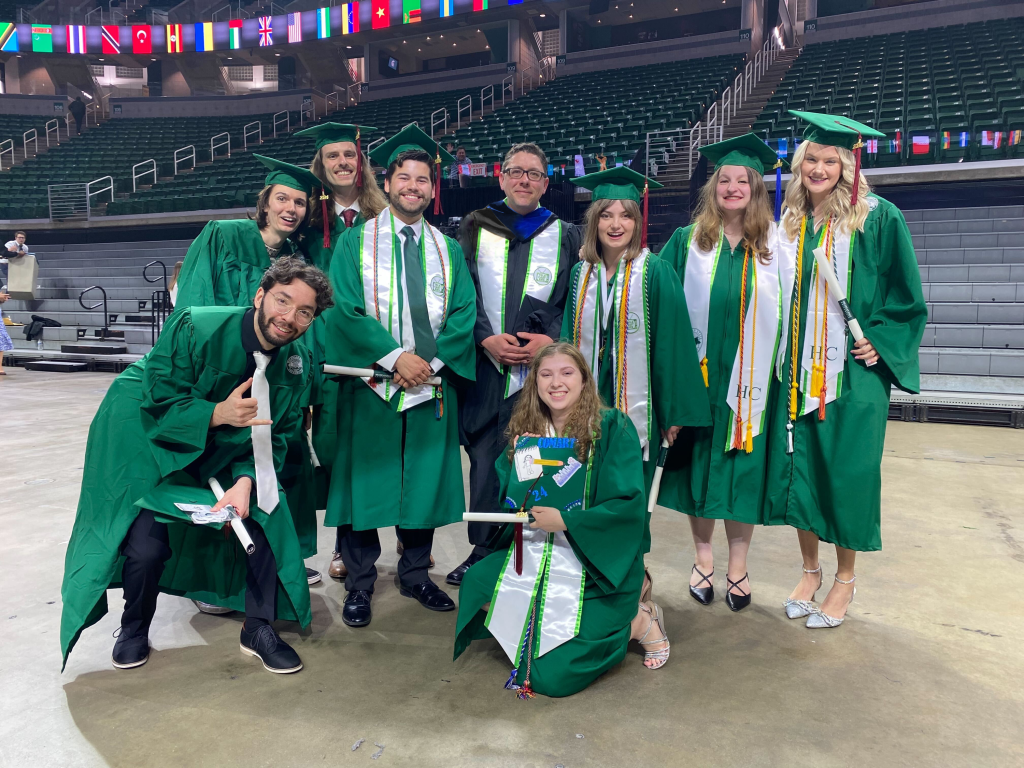
Many MSU students never make it past Frandor. Whiting wanted us to understand that our education could not be contained inside a classroom or even within East Lansing.
More than a decade later, I do not remember every assignment I completed in his class. I do remember that he saw something in me. I remember he asked me to share a poem. I remember how it felt to have a room full of people respond to my words.
I later became Lansing’s poet laureate and founded The Poetry Room, a nonprofit organization that creates opportunities for writers, particularly those whose voices have historically been marginalized. I began mentoring poets and encouraging them to share work they might not yet believe was ready to be heard, the same way I once needed someone to encourage me.
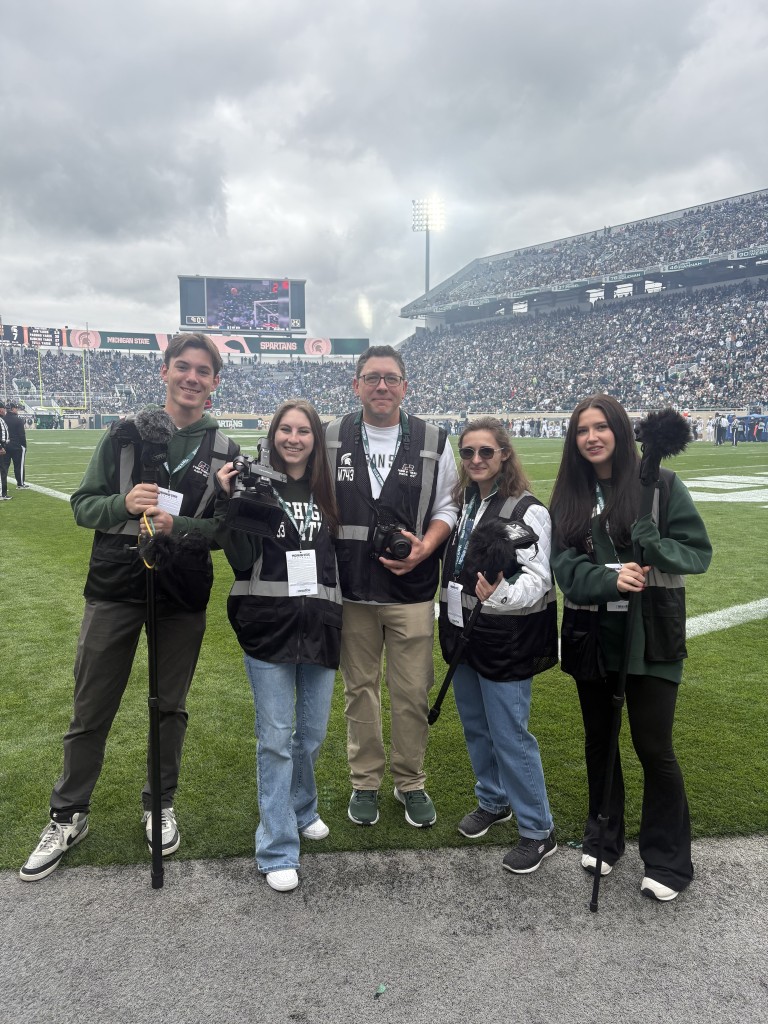
In 2024, I brought Button Poetry to Lansing for a video shoot at The Robin Theatre. When I needed help with the cameras, Whiting showed up. More than a decade after asking me to share that first poem, he was still supporting one of his former students and still extending the ladder.
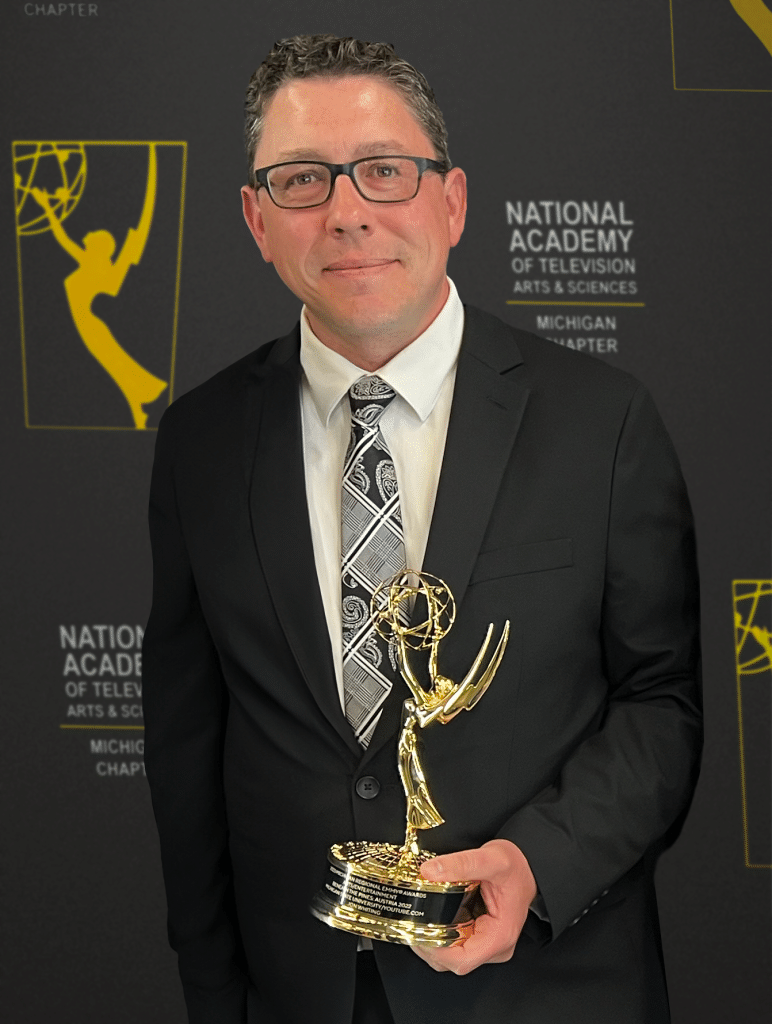
Educators may not always see what grows from the moments when they choose to pay attention. An invitation or a few words of encouragement may feel small, but sometimes a student remembers.
Sometimes that student builds a room for other people to be heard. And sometimes, years later, the teacher who made that room feel possible shows up again to help.
Relationships and experiences like these are why I still believe I can make almost anything happen, not because I cannot fail, but because I know failure will never have the final word.
Some of us graduate, but we never stop being dreamers.