East Lansing approves $472K federal grant with strings that conflict with sanctuary city policy
East Lansing City Council members voted 3-1 at Tuesday’s meeting to accept a $472,000 grant from the U.S. Department of Justice, which would replace decade-old security cameras at municipal facilities, despite residents’ concerns that strings attached to the federal funding could conflict with the city’s 2023 sanctuary city policies and expose immigrant communities to immigration enforcement.
“This money is important for the city,” East Lansing Mayor Erik Altmann said. “We don’t have the luxury of half-million-dollar grants falling into our laps. We’re a city that doesn’t have two nickels to rub together and we spend an awful lot of time figuring out how to pay for the things we need. Now we have an opportunity to do that, and I think we should grab it.”
The grant will fund upgrades to about 350 cameras across 19 municipal buildings and facilities, including City Hall, the Hannah Community Center and parking structures. It was awarded through the DOJ’s Community-Oriented Policing Services (COPS) Technology and Equipment Program.
But there are three controversial conditions:
- requiring the city not to restrict the sharing of information about individuals’ citizenship or immigration status with federal, state and local government agencies, including ICE;
- requiring the city to certify that it does not operate diversity, equity and inclusion (DEI) programs
- requiring compliance with presidential memoranda and executive federal orders.
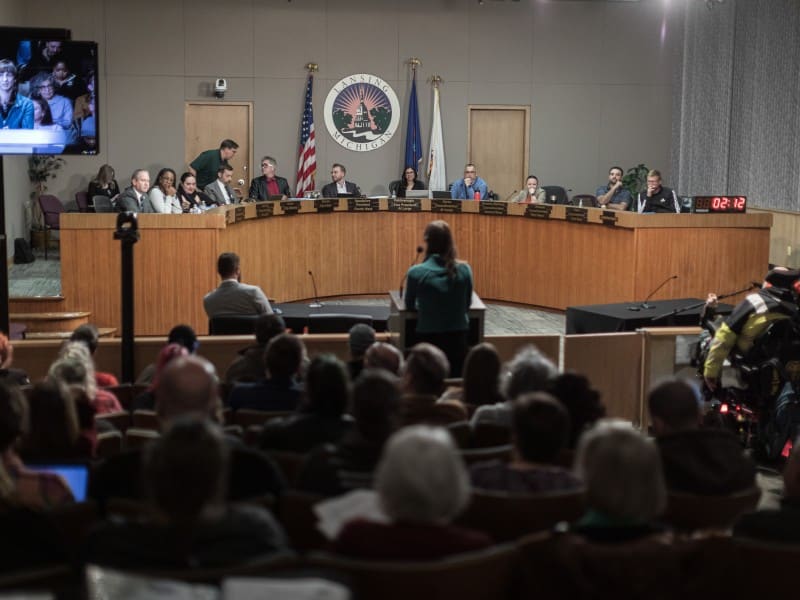
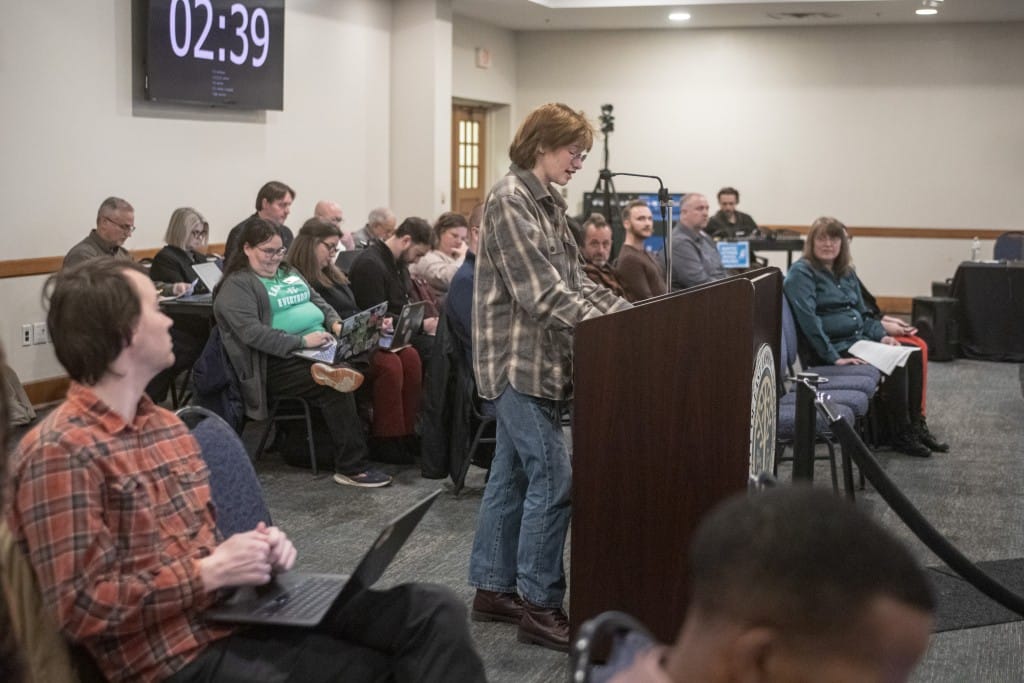
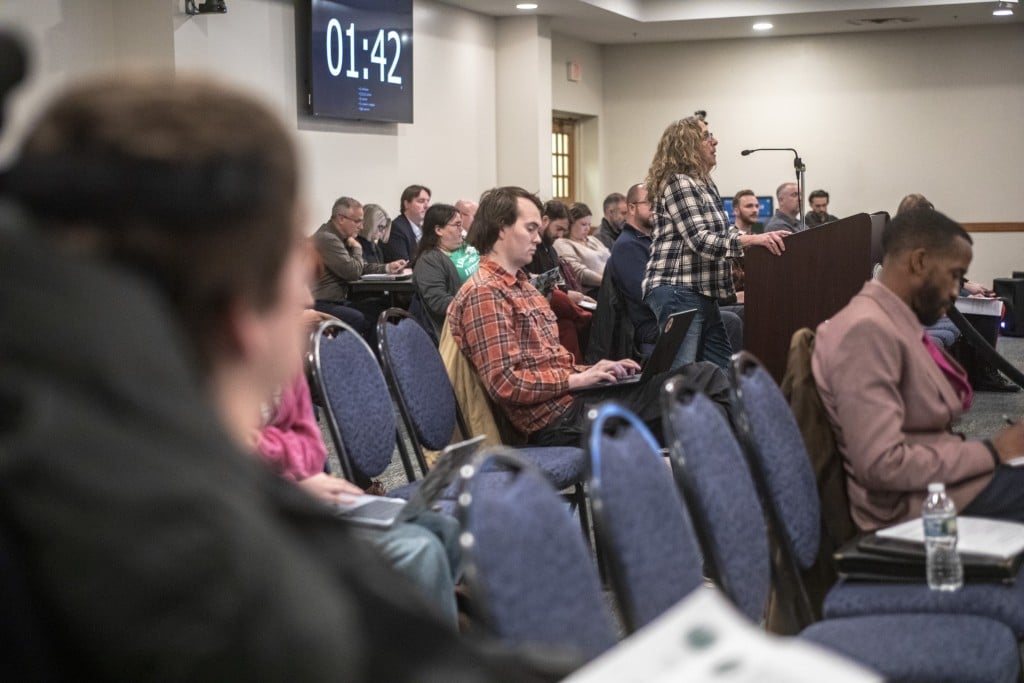
Several residents said, during the Nov. 17 council meeting, that the change could require local cooperation with federal immigration authorities, including ICE, as well as conditions refuting certain DEI policies. Several residents urged officials to reject the funding or postpone the vote to a public hearing until they could review the federal conditions more thoroughly.
City staff told council members that East Lansing had only until Nov. 20 to sign the grant agreement, leaving the city just three days after the meeting to finalize its decision.
Karen Hoene, chair of the city’s Human Rights Commission, questioned why the grant had initially been placed on the consent agenda, which allows council members to approve multiple items together without separate discussion. It was later moved to the business agenda.
Abbie Tykocki, a member of the East Lansing School Board who said she was speaking as a private citizen, warned that accepting the funding could transfer the consequences of a federal dispute to immigrant residents. “Elected officials are supposed to make difficult decisions and accept responsibility for the consequences, and I believe council members should be willing to take risks when those risks fall on themselves,” Tykocki said. “Don’t ask the immigrants to pay for city surveillance cameras with their safety. Don’t ask our most vulnerable residents to bear risks that you aren’t willing to bear yourselves.”
MSU alum Cassidy Howard questioned the city’s decision to prioritize such a large sum of money, given the vulnerability of immigrant residents under federal conditions.
“I believe you have been put in these seats to take care of us,” she said. “And not compromise our safety, especially, as stated, the many immigrants and international students who find a home here. I believe we deserve safety, and I believe our neighbors are worth more than $472,000.”
City staff explained that the existing cameras were installed primarily in 2014 and 2016 and have exceeded their expected six-to-eight-year life cycle. Some equipment has been kept working only with repairs and replacement parts. The proposed cameras would be used for security and for reviewing incidents at municipal facilities, not for facial recognition, tracking individuals, or connecting to external databases, according to the city.
Councilmember Mark Meadows argued that the federal conditions raised constitutional concerns and said accepting the grant did not require East Lansing to abandon its existing immigration policies. He said the city would formally notify the federal government that it intended to maintain its sanctuary city policies. Under the grant agreement, the DOJ could terminate the award or seek repayment if the city failed to comply with its conditions.
Meadows acknowledged that challenging potential federal enforcement could result in expensive litigation but argued that the city should defend its established policies.
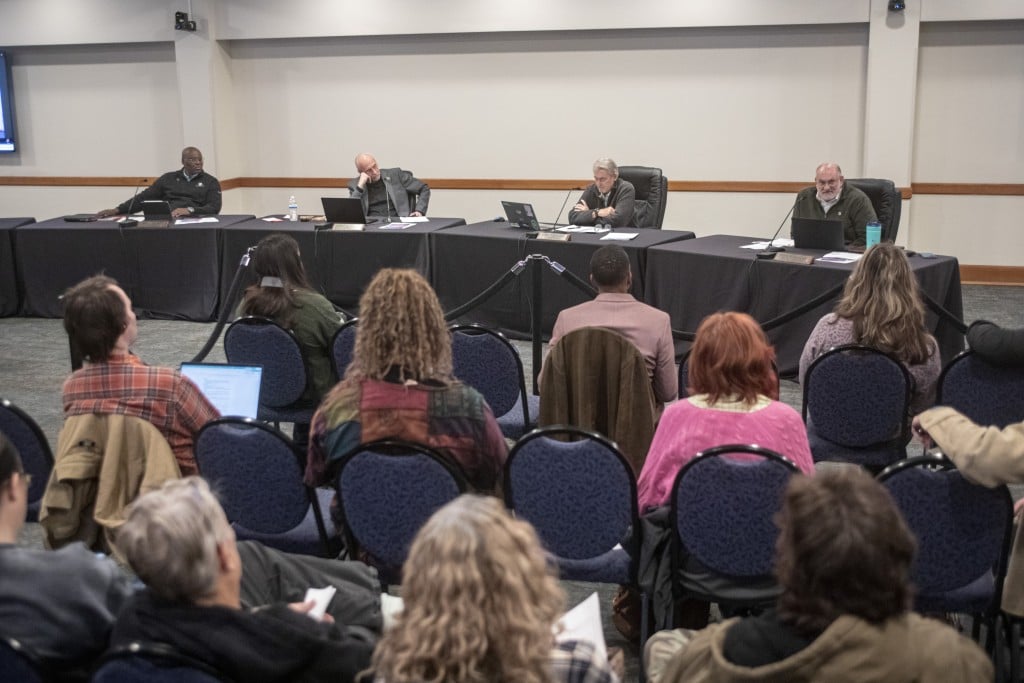
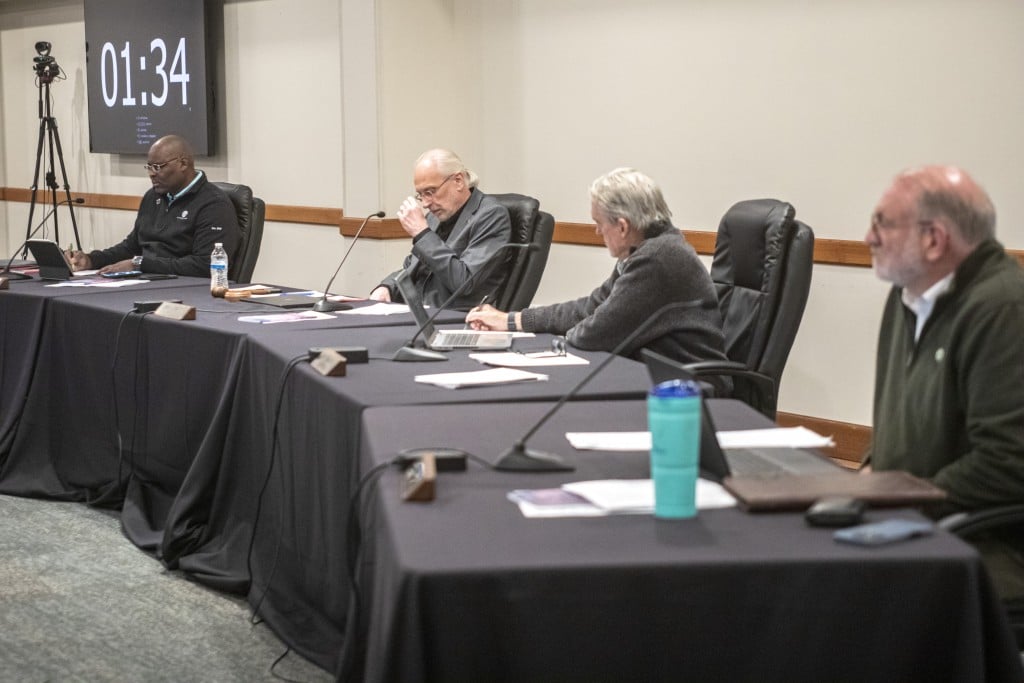
Altmann, who introduced the motion to accept the agreement, supported moving forward, saying the funding was important for replacing critical infrastructure and that the city should not abandon its existing protections for immigrants. The motion passed with Mayor Altmann and council members Mark Meadows and Steven Whelan voting in favor. Mayor pro tem Chuck Grigsby voted against it. Councilmember Kerry Ebersole Singh was absent.